Controlling Blood Water Potential: Controlling Blood Water
Potential:
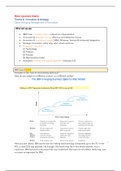
Osmoreceptors in the hypothalamus monitor blood
passing through the hypothalamus.
When the water potential in the blood is too low, water
moves out of these cells into the blood vessels by
osmosis – causing the osmoreceptor cells to shrink.
This causes neurosecretory cells in the hypothalamus to
be stimulated to produce ADH.
When the neurosecretory cells are stimulated, they
cause ADH to be released into the blood capillaries in
the posterior pituitary gland
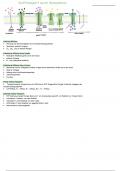
ADH uses a secondary messenger system as it is too
large & polar, so cannot cross the plasma membrane
since it is not lipid soluble.
ADH molecules combine with receptors on the plasma
membrane on cells of the collecting duct.
This activates an enzyme, which in turn causes vesicles
within the cell to fuse with the cell surface membrane.
These vesicles contain aquaporins (water permeable
channels) making the collecting duct membrane more
permeable to water.
More water leaves the collecting ducts by osmosis &
will be reabsorbed into the blood, resulting in more
concentrated urine.
This causes an increase in water potential in the blood.
When water potential of the blood is high, water moves
into osmoreceptor cells, causing them to swell.
This inhibits the release of ADH.
In the presence of less ADH, the plasma membrane
folds inwards around the aquaporins, forming vesicles
around them.
Making the membrane less permeable to water.
Potential:
Osmoreceptors in the hypothalamus monitor blood
passing through the hypothalamus.
When the water potential in the blood is too low, water
moves out of these cells into the blood vessels by
osmosis – causing the osmoreceptor cells to shrink.
This causes neurosecretory cells in the hypothalamus to
be stimulated to produce ADH.
When the neurosecretory cells are stimulated, they
cause ADH to be released into the blood capillaries in
the posterior pituitary gland
ADH uses a secondary messenger system as it is too
large & polar, so cannot cross the plasma membrane
since it is not lipid soluble.
ADH molecules combine with receptors on the plasma
membrane on cells of the collecting duct.
This activates an enzyme, which in turn causes vesicles
within the cell to fuse with the cell surface membrane.
These vesicles contain aquaporins (water permeable
channels) making the collecting duct membrane more
permeable to water.
More water leaves the collecting ducts by osmosis &
will be reabsorbed into the blood, resulting in more
concentrated urine.
This causes an increase in water potential in the blood.
When water potential of the blood is high, water moves
into osmoreceptor cells, causing them to swell.
This inhibits the release of ADH.
In the presence of less ADH, the plasma membrane
folds inwards around the aquaporins, forming vesicles
around them.
Making the membrane less permeable to water.