NR 507: MIDTERM EXAM REVIEW STUDY GUIDE
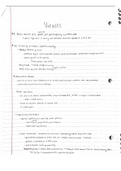
NR 507: MIDTERM EXAM REVIEW STUDY GUIDE Hematology Hematopoiesis: -process of blood cell production -Constant throughout life to replace RBCs that grow old and die, are killed by disease, or are lost through bleeding -Occurs in liver and spleen of fetus -Occurs in bone marrow after birth -2 stages: 1. Proliferation (mitotic division) 2. Maturation (differentiation) -Bone marrow: red (hematopoietic/active) & yellow (fatty/inactive) Hematopoietic stem cells (HSCs)- all blood cells are created from HSCs -signaled to undergo differentiation (by cytokines and chemokines, growth factors) to form RBC, WBC, & platelets • Lymphoid: T cell (T-lymphocyte) & B cell (B-lymphocyte) • Myeloid: Monocyte & Granulocytes (WBCs) • Erythrocyte (RBC) • Megakaryocyte (Platelets) Mesenchymal stem cells-develop into osteoclasts, fibroblasts, & adipocytes clip_ Erythropoietin: -hormone that stimulates erythrocyte production -Secreted by the kidneys in response to tissue hypoxia Erythrocyte: -most abundant cells in the body -primarily responsible for tissue oxygenation -mature erythrocytes lack a nucleus and mitochondria, cannot synthesize protein or carry out oxidative reactions. Cannot divide *anaerobic metabolism only -life span: 100-120 days -contains hemoglobin molecules o Stages: (7-day process) • Hemocytoblast (stem cell) binds with erythropoietin • Proerythroblast- committed to morph into RBC • Erythroblast- ribosome synthesis (2 phases) • Normoblast- Hgb accumulation & nucleus ejection • Reticulocyte –(immature RBC) released into circulation, no nucleus, ribosome, or mitochondria • RBC (after it has been in bone marrow 1-2 days) Hemoglobin: oxygen carrying protein of the erythrocyte -hemoglobin packed blood cells pick up oxygen in the lungs and exchange it for carbon dioxide in the tissues -composed of 2 pairs of polypeptide chains (globins) & 4 colorful iron complexes (hemes) -can carry up to 4 molecules of oxygen Oxyheoglobin- binding of oxygen to Fe in heme molecule, RED Deoxyhemoglobin- reduced hemoglobin, after it releases the oxygen to the tissues, BLUE Risk factors and causes for developing any type of anemia: -blood loss (acute or chronic) -impaired erythrocyte production -increased erythrocyte destruction -a combination of these factors Iron Deficiency Anemia- Microcytic-Hypochromic Anemia -most common nutritional disorder -occurs when iron stores are depleted reduced hemoglobin synthesis -more common in toddlers, adolescent girls and, women of childbearing age -causes: • Dietary deficiency • Impaired absorption • Increased requirement • Chronic blood loss Thalassemia-Microcytic-Hypochromic -inherited autosomal recessive disorder -impaired synthesis of one of the two chains of adult hemoglobin (alpha or beta) -common among Mediterranean descent -can be minor or major, can be asymptomatic or lethal (Cooley’s) Sickle Cell Anemia-Normocytic-normochromic/Hemolytic -inherited autosomal recessive disorder -presence of atypical hemoglobin-Hemoglobin S -amino acid change on the beta-globin chain (glutamine replaced for valine)-distort erythrocytes into sickle shape= cannot properly carry O2. -vaso-occlusive crisis (pain), aplastic crisis (anemia), sequestration crisis (blood pooling in spleen), hyperhemolytic crisis ( accelerated RBC destruction) - Stress, hypoxia, anxiety, fever, cold, dehydration = lower O2 binding -↑ risk of CVA, splenic damage, or kidney damage. Most people with sickle cell will become asplenic by adulthood. Hemolytic Anemia- -premature destruction of erythrocytes -majority occur within phagocyctes in lymphoid tissue -congenital (sickle cell or thalassemia) acquired (transfusion reaction, infection, autoimmune) -causes elevated erythropoietin to induce accelerated production of erythrocytes and in increase in the products of hemoglobin catabolism -transfusion with incorrect blood type: intravascular hemolysis by activation of complement system; extravascular hemolysis by phagocytosis of antibody-coated erythrocytes in spleen
Escuela, estudio y materia
- Institución
- NR 507 ADVANCED PATHOPHYSIOLOGY
- Grado
- NR 507 ADVANCED PATHOPHYSIOLOGY
Información del documento
- Subido en
- 22 de noviembre de 2023
- Número de páginas
- 38
- Escrito en
- 2023/2024
- Tipo
- Examen
- Contiene
- Preguntas y respuestas
Temas
-
nr 507 midterm exam review study guide