

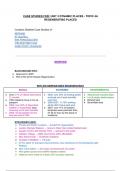
CASE STUDIES FOR: UNIT 2 DYNAMIC PLACES - TOPIC 4A
REGENERATING PLACES
Contains Detailed Case Studies of:
NEWHAM
ST AUSTELL
SAN FRANCISCO BAY
THE RUST BELT USA
CASE STUDY: GLASGOW
NEWHAM
BACKGROUND INFO:
● Approved in 2005
● Part of the 2012 Olympic Regeneration
WHY DID NEWHAM NEED REGENERATING?
SOCIAL ECONOMIC ENVIRONMENTAL
● Over 0.7% of infants died before ● 2002: over 20% of working adults ● Abandoned industrial sites
12 months received out of work benefits ● Lot of empty wasted space
● 100k residents have a non-uk over time ● Derelict land
passport ● 2006-2007: 11-15% working ● Brownfield sites
● 2008: over 40% of dependent adults didn’t have paid work
children in households were ● 2007: over 17% of resident
receiving out of work benefits employee were paid less than
● 2008: net household income £7.50 an hour by the place of
was less than £1500 residence
STRATEGIES USED:
● Private and Public Investors → funded the regeneration
● London Olympic Stadium → home to West Ham United football team
● Aquatic Centre and Olympic Park → opened to the public
● Athlete’s Village → 2800 new homes (40% affordable)
● New School built → Chobham Academy
● Created a Westfield → 10k jobs
● £17bn spent on transport improvements, inclu extensions to the Docklands Light
Railway
● New Tube station → 2nd most connected part of London
● New green spaces and wildlife habitats created
● stadiums were made of at least 25% recycled materials
, ● Cleaned the River Lea
KEY PLAYERS:
PLAYERS THEIR ROLE? SUCCESS?
INTERNATIONAL Chose to host the olympics in London YES: London 'raised the bar’
OLYMPIC COMMITTEE Helps generate revenue for olympics on regeneration providing a
‘legacy blueprint’
LONDON LEGACY Developing a new dynamic for E. LDN TO AN EXTENT: sustainable
DEVELOPMENT Creating new opportunities for locals lifestyle
CORPORATION Responsible for economic and urban development in 2mn visited Aquatics Centre
London 2 years after 2012
In charge of: sufficient housing, transport and jobs
OLYMPIC DELIVERY Responsible for building the facilities YES: building for athletes →
AUTHORITY Overspent the budget of £2.5bn (£9.3bn) homes
New public spaces
Infrastructure was still
generating money after the
Olympics
MAYOR OF LONDON Motivated and Promoted the Olympics YES:
Ken Livingstone/Boris Responsible for controlling transport and planning improved transport
Johnson decisions to benefit locals → £2mn for transport
projects
TFL Improved transport links ensuring they would make the YES:
area more popular and successful after the regeneration More cycling routes and
pathways
Extended DLR and Jubilee
line
Created more jobs
Benefitted surrounding areas
INVESTORS Provided funds for regeneration YES: helped area thrive
Offered locals jobs Helped local businesses
Private Investors: HSBC, Lloyds Bank
£12.5bn investments - allows projects NO: locals businesses
$100mn by Coca-Cola couldn't compete
Relocating businesses
TOURISTS International Olympic Visitors spends £920mn YES: many tourist attraction -
Avrg Tourist spend £1290 per day Westfield, Aquatics Centre
Some money stayed in the area → multiplier effect After 2012: Visitors increased
Promotes the area by 20%
LOCAL RESIDENTS Some volunteered → lowering cost of games NO: increasing house prices
Took up temporary jobs Forced relocation (Clays
Gave input into decision making Estate demolished - 430)
Some had to relocated Very few jobs created for
locals
REGENERATING PLACES
Contains Detailed Case Studies of:
NEWHAM
ST AUSTELL
SAN FRANCISCO BAY
THE RUST BELT USA
CASE STUDY: GLASGOW
NEWHAM
BACKGROUND INFO:
● Approved in 2005
● Part of the 2012 Olympic Regeneration
WHY DID NEWHAM NEED REGENERATING?
SOCIAL ECONOMIC ENVIRONMENTAL
● Over 0.7% of infants died before ● 2002: over 20% of working adults ● Abandoned industrial sites
12 months received out of work benefits ● Lot of empty wasted space
● 100k residents have a non-uk over time ● Derelict land
passport ● 2006-2007: 11-15% working ● Brownfield sites
● 2008: over 40% of dependent adults didn’t have paid work
children in households were ● 2007: over 17% of resident
receiving out of work benefits employee were paid less than
● 2008: net household income £7.50 an hour by the place of
was less than £1500 residence
STRATEGIES USED:
● Private and Public Investors → funded the regeneration
● London Olympic Stadium → home to West Ham United football team
● Aquatic Centre and Olympic Park → opened to the public
● Athlete’s Village → 2800 new homes (40% affordable)
● New School built → Chobham Academy
● Created a Westfield → 10k jobs
● £17bn spent on transport improvements, inclu extensions to the Docklands Light
Railway
● New Tube station → 2nd most connected part of London
● New green spaces and wildlife habitats created
● stadiums were made of at least 25% recycled materials
, ● Cleaned the River Lea
KEY PLAYERS:
PLAYERS THEIR ROLE? SUCCESS?
INTERNATIONAL Chose to host the olympics in London YES: London 'raised the bar’
OLYMPIC COMMITTEE Helps generate revenue for olympics on regeneration providing a
‘legacy blueprint’
LONDON LEGACY Developing a new dynamic for E. LDN TO AN EXTENT: sustainable
DEVELOPMENT Creating new opportunities for locals lifestyle
CORPORATION Responsible for economic and urban development in 2mn visited Aquatics Centre
London 2 years after 2012
In charge of: sufficient housing, transport and jobs
OLYMPIC DELIVERY Responsible for building the facilities YES: building for athletes →
AUTHORITY Overspent the budget of £2.5bn (£9.3bn) homes
New public spaces
Infrastructure was still
generating money after the
Olympics
MAYOR OF LONDON Motivated and Promoted the Olympics YES:
Ken Livingstone/Boris Responsible for controlling transport and planning improved transport
Johnson decisions to benefit locals → £2mn for transport
projects
TFL Improved transport links ensuring they would make the YES:
area more popular and successful after the regeneration More cycling routes and
pathways
Extended DLR and Jubilee
line
Created more jobs
Benefitted surrounding areas
INVESTORS Provided funds for regeneration YES: helped area thrive
Offered locals jobs Helped local businesses
Private Investors: HSBC, Lloyds Bank
£12.5bn investments - allows projects NO: locals businesses
$100mn by Coca-Cola couldn't compete
Relocating businesses
TOURISTS International Olympic Visitors spends £920mn YES: many tourist attraction -
Avrg Tourist spend £1290 per day Westfield, Aquatics Centre
Some money stayed in the area → multiplier effect After 2012: Visitors increased
Promotes the area by 20%
LOCAL RESIDENTS Some volunteered → lowering cost of games NO: increasing house prices
Took up temporary jobs Forced relocation (Clays
Gave input into decision making Estate demolished - 430)
Some had to relocated Very few jobs created for
locals

