Unit 14: Applications of Organic Chemistry
B: Understand the reactions and properties of aromatic compounds.
Assignment Title: Aromatic ring chemistry for designer chemicals
Benzene: The chemical formula for the aromatic compound benzene is C6H6. British chemist Michael
Faraday invented the essential organic molecule benzene. This is a natural component necessary for
crude oil. It smells like petrol and seems to be a white liquid at first glance. Chemists have shown that
benzene is in fact a very toxic and carcinogenic substance. It is plentiful in many different animals and
plants, but it was also created as a result of volcanoes and forest fires. Insecticides, detergents,
polymers, as well as a number of other substances, are frequently made using this. The chemical
benzene is a colourless or light yellow liquid at room temperature. It has a lovely scent and is quite
flammable. Benzene is quickly carried away by the air. Since it is heavier than air, its vapour can sink into
low-lying areas. Benzene is mainly insoluble in water, despite floating on top of it. Both synthetically and
organically, benzene can be created. In addition, benzene is naturally present in crude oil, cigarette
smoke, and petrol. Benzene is sometimes used to create nylon, polymers, resins, and other substances
that are then utilised to create various synthetic fibres. Benzene is also used to make a variety of
lubricants, rubbers, dyes, detergents, medicines, and insecticides.
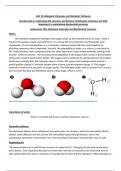
The six bonding atoms that make up benzene C6H6 are joined by both
single and double bonds and have a cyclic geometry. Since this appears to
be a cyclic hydrocarbon, the C atoms may be organized in various ways,
including a six-cornered ring structure. Finally, a compound is formed when
a C atom combines with an H atom. Synthesis of aromatic rings requires
the formation of three separate orbitals with all six C atoms extending into
the corners. Molecular orbital theory briefly describes this method of
producing organic compounds. https://www.tutorialspoint.com/assets/questions/media/
560302-1671019220.png
The Kekulé structure for benzene: The key benzene structure was originally
proposed by Kekulé. He proposed that double and single bonds should alternate between
hexagonal carbon atoms. A hydrogen atom is attached to each carbon atom. Many
hydrogens and all carbon atoms have been omitted for clarity.
Each corner of these figures has a carbon atom. To determine the approximate amount of
hydrogen atoms attached to each carbon, we need to count the bonds that each carbon
breaks. In this case, each carbon is found in her three bonds. The four bonds that make up
the carbon atom are left unbonded with hydrogen atoms.
Although the Kekulé framework had many shortcomings, it was a notable achievement for
its time. Considering the three double bonds, it seems reasonable to assume that benzene will perform
as well or better than ethene. After further processing breaks one of the two bonds to the ethene carbon
atom, a new bond is formed with another atom. Benzene rarely occurs this way. Instead, one of the
hydrogen atoms is often replaced with a new atom during the exchange process. All atoms in the Kekulé
structure are organized on a single plane, similar to planar molecules like benzene. The problem is the
length difference between the C-C single bond and the C-C double bond. The C-C single bond has a
diameter of 0.154 nm, while the C=C double bond has a diameter of 0.134 nm. If the hexagon is a Kekulé
, structure, the short and long sides alternate. Each genuine benzene bond has the same length (0.139
nm) between the C-C and C=C atoms. Real benzene hexagons are perfectly regular.
Compared to pure benzene, the Kekulé structure is not very stable. The Kekulé structure is used for
thermochemical calculations and the results vary by about 150 kJ mol-1. The most effective way to
demonstrate this is by varying the enthalpy of hydrogenation. Hydrogenation is the process of
adding hydrogen to something. For example, ethene can be hydrogenated to produce ethane.
CH2=CH2 + H2 CH3CH3
Contrast with cyclohexene for a fair comparison with
benzene (a ring structure). Cyclohexene is commonly known as a 6-carbon ring with C=C and
is represented by the formula C6H10. Addition of hydrogen produces cyclohexane, C6H12.
'CH' groups are converted to CH2 and double bonds are converted to single bonds.
Removal of all carbons and hydrogens often simplifies the structure of cyclohexene and
cyclohexane, similar to the Kekulé structure of benzene.
Each carbon atom in cyclohexane may form a maximum of four bonds if there is one carbon atom in
each corner and enough hydrogens. The CH2 is indicated by each of these corners. The following is the
hydrogenation formula:
This reaction has an enthalpy change of -120 kJ mol-1. In other words, a reaction involving 1 mole of
cyclohexene yields 120 kJ of heat energy. Bonds (C=C and H-H) are broken throughout the process, which
uses energy. When a new connection has to be made, energy is released. As the thermal energy
progressively rises, more energy is released than is required to break the initial connection because the
bond that is created is stronger than the one that is broken. If the ring's first double bond (cyclohexa-1,3-
diene) has two, then precisely twice as many bonds must be made and broken. In other words, it is
anticipated that the enthalpy change caused by hydrogenation of cyclohexa-1,3-diene will be precisely
240 kJ mol-1, which is double the value of cyclohexene. The actual enthalpy change was measured to be
-232 kJ mol-1, which is quite close to the estimate.
The same logic predicts that the enthalpy change for the cyclohexa-1,3,5-triene (also known as the
benzene Kekulé structure) will be -360 kJ mol-1. This is due to the exact three-fold increase in both new
and broken links.
B: Understand the reactions and properties of aromatic compounds.
Assignment Title: Aromatic ring chemistry for designer chemicals
Benzene: The chemical formula for the aromatic compound benzene is C6H6. British chemist Michael
Faraday invented the essential organic molecule benzene. This is a natural component necessary for
crude oil. It smells like petrol and seems to be a white liquid at first glance. Chemists have shown that
benzene is in fact a very toxic and carcinogenic substance. It is plentiful in many different animals and
plants, but it was also created as a result of volcanoes and forest fires. Insecticides, detergents,
polymers, as well as a number of other substances, are frequently made using this. The chemical
benzene is a colourless or light yellow liquid at room temperature. It has a lovely scent and is quite
flammable. Benzene is quickly carried away by the air. Since it is heavier than air, its vapour can sink into
low-lying areas. Benzene is mainly insoluble in water, despite floating on top of it. Both synthetically and
organically, benzene can be created. In addition, benzene is naturally present in crude oil, cigarette
smoke, and petrol. Benzene is sometimes used to create nylon, polymers, resins, and other substances
that are then utilised to create various synthetic fibres. Benzene is also used to make a variety of
lubricants, rubbers, dyes, detergents, medicines, and insecticides.
The six bonding atoms that make up benzene C6H6 are joined by both
single and double bonds and have a cyclic geometry. Since this appears to
be a cyclic hydrocarbon, the C atoms may be organized in various ways,
including a six-cornered ring structure. Finally, a compound is formed when
a C atom combines with an H atom. Synthesis of aromatic rings requires
the formation of three separate orbitals with all six C atoms extending into
the corners. Molecular orbital theory briefly describes this method of
producing organic compounds. https://www.tutorialspoint.com/assets/questions/media/
560302-1671019220.png
The Kekulé structure for benzene: The key benzene structure was originally
proposed by Kekulé. He proposed that double and single bonds should alternate between
hexagonal carbon atoms. A hydrogen atom is attached to each carbon atom. Many
hydrogens and all carbon atoms have been omitted for clarity.
Each corner of these figures has a carbon atom. To determine the approximate amount of
hydrogen atoms attached to each carbon, we need to count the bonds that each carbon
breaks. In this case, each carbon is found in her three bonds. The four bonds that make up
the carbon atom are left unbonded with hydrogen atoms.
Although the Kekulé framework had many shortcomings, it was a notable achievement for
its time. Considering the three double bonds, it seems reasonable to assume that benzene will perform
as well or better than ethene. After further processing breaks one of the two bonds to the ethene carbon
atom, a new bond is formed with another atom. Benzene rarely occurs this way. Instead, one of the
hydrogen atoms is often replaced with a new atom during the exchange process. All atoms in the Kekulé
structure are organized on a single plane, similar to planar molecules like benzene. The problem is the
length difference between the C-C single bond and the C-C double bond. The C-C single bond has a
diameter of 0.154 nm, while the C=C double bond has a diameter of 0.134 nm. If the hexagon is a Kekulé
, structure, the short and long sides alternate. Each genuine benzene bond has the same length (0.139
nm) between the C-C and C=C atoms. Real benzene hexagons are perfectly regular.
Compared to pure benzene, the Kekulé structure is not very stable. The Kekulé structure is used for
thermochemical calculations and the results vary by about 150 kJ mol-1. The most effective way to
demonstrate this is by varying the enthalpy of hydrogenation. Hydrogenation is the process of
adding hydrogen to something. For example, ethene can be hydrogenated to produce ethane.
CH2=CH2 + H2 CH3CH3
Contrast with cyclohexene for a fair comparison with
benzene (a ring structure). Cyclohexene is commonly known as a 6-carbon ring with C=C and
is represented by the formula C6H10. Addition of hydrogen produces cyclohexane, C6H12.
'CH' groups are converted to CH2 and double bonds are converted to single bonds.
Removal of all carbons and hydrogens often simplifies the structure of cyclohexene and
cyclohexane, similar to the Kekulé structure of benzene.
Each carbon atom in cyclohexane may form a maximum of four bonds if there is one carbon atom in
each corner and enough hydrogens. The CH2 is indicated by each of these corners. The following is the
hydrogenation formula:
This reaction has an enthalpy change of -120 kJ mol-1. In other words, a reaction involving 1 mole of
cyclohexene yields 120 kJ of heat energy. Bonds (C=C and H-H) are broken throughout the process, which
uses energy. When a new connection has to be made, energy is released. As the thermal energy
progressively rises, more energy is released than is required to break the initial connection because the
bond that is created is stronger than the one that is broken. If the ring's first double bond (cyclohexa-1,3-
diene) has two, then precisely twice as many bonds must be made and broken. In other words, it is
anticipated that the enthalpy change caused by hydrogenation of cyclohexa-1,3-diene will be precisely
240 kJ mol-1, which is double the value of cyclohexene. The actual enthalpy change was measured to be
-232 kJ mol-1, which is quite close to the estimate.
The same logic predicts that the enthalpy change for the cyclohexa-1,3,5-triene (also known as the
benzene Kekulé structure) will be -360 kJ mol-1. This is due to the exact three-fold increase in both new
and broken links.