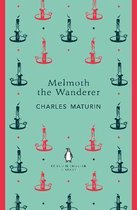
It can be said that in Matthew Lewis’ ‘The Monk’ and Charles Maturin’s ‘Melmoth the
Wanderer’ the Devil is portrayed as omnipresent and omnipotent. However, innocence is still
found where the Devil is not present. In ‘The Monk’, Lewis tells a story where a monk follows
his sexual desires, acting against his vows of celibacy; ultimately being punished by the
Spanish Inquisition and ends up selling his soul to the Devil to avoid torture from the
Inquisition. Whereas Maturin’s ‘Melmoth the Wanderer’, tells a story where a young man
sells his soul to the Devil in return for 150 more years of life in an ‘aspiration of forbidden
knowledge[1]’[2]. Furthermore, the Devil is omnipresent when there are sinners and
punishment. Also once having made a pact with the Devil, it is not possible to escape the
consequences that the Devil has set out.
Both Lewis and Maturin show that the Devil is omnipresent. In Christianity, the Devil is
described as the incarnate of evil and usually appears when the sinners are due for their
punishment. The Devil is constantly present around both Ambrosio and Melmoth. In ‘The
Monk’, the Devil is disguised in the form of Matilda. Matilda had originally disguised herself
as a man, known as Rosario, to enter the monastery as a monk to indulge in Ambrosio’s
love. She then reveals the fact that she is a woman who seduces Ambrosio. This leads to
him breaking his vow of chastity and celibacy. Not only is the Devil disguised as Matilda, but
it also returns in a different form when Ambrosio summons it for the first time – returning in
the form of Seraph. Seraph (Seraphim) is the highest order of angel in the Bible and when
directly translated, it means ‘fiery serpent’. Satan is commonly portrayed as a serpent or a
snake, most recognisable as the serpent who tempts Eve to eat the forbidden fruit. The Devil
who was once one of the highest-ranking angels had fallen and it takes its old form to
deceive Ambrosio. Lewis also used the device of a serpent, which bites Ambrosio when
Matilda ‘pointed to a bush of roses, planted at the door of the grotto[3]’ and asked Ambrosio
to pick one for her before she left the monastery. Ambrosio compliantly follows Matilda’s
orders, and it is almost as if Matilda had tempted Ambrosio to pick that rose which reflects
the serpent tempting Eve in the Bible; alluding to gothic boundaries, Ambrosio crosses the
, boundary to the Devil’s temptation. The Devil has taken on many forms to enter Ambrosio’s
life to encroach[4] on Ambrosio’s life to take control, even if it is not encroaching on
Ambrosio’s physical form, or perhaps to manipulate others within the monastery,
emphasising the Devil’s omnipresence as it appears in moments outside of punishment.
Both Ambrosio and Melmoth experience the presence of the Devil during their punishment,
where the Devil is described as this huge being. Lewis describes the Devil as this ‘gigantic
form’ with ‘huge shoulders [that] wave two ginormous wings[5],’ and Maturin describes the
Devil in as a pair of hands attached to ‘ginormous, outstretched arms… as if both belonged
to some being too vast and horrible even for the imagery of a dream to shape.’[6] The
adjectives ‘too vast’ and ‘horrible’ suggest something nightmarish, to the point that even the
reader cannot conjure up the horrific image. Further, the common adjective ‘ginormous’
suggests that the Devil takes up the whole space and it emphasises the presence of the
Devil as something so ‘ginormous’ would be easily seen, especially in an open or wide
space. To emphasise the stature of the Devil, Ambrosio’s punishment begins with Satan
taking Ambrosio by his head and flying to a ‘dreadful height’ where there is nothing but the
tallest mountains. This provides a clear and open area for the Devil to be seen, enough
space for it to boast its enormousness and its presence. Not only is the Devil omnipresent in
punishment, but it is also heavily present inside monasteries or a holy place.
A Catholic audience reading in the 18th century would likely find it shocking to see the Devil
within a monastery, considering that monasteries are sacred and a holy place for
worshipping God, it is peculiar to see the significant presence of the Devil within the
monastery. In ‘Melmoth the Wanderer’ Moncada is imprisoned by the Inquisition, which are
essentially institutions for the Catholic church to combat heresy, thus they are also
considered a prestigious holy place. The prison of the Inquisition mysteriously goes up in
flames when Moncada meets the equally mysterious stranger in his cell, identifying as
Melmoth. When the fire starts, Maturin uses a metaphor describing it as if ‘the heavens were
all on fire’[7] and that ‘God appeared descending in the light that enveloped the skies.’
Wanderer’ the Devil is portrayed as omnipresent and omnipotent. However, innocence is still
found where the Devil is not present. In ‘The Monk’, Lewis tells a story where a monk follows
his sexual desires, acting against his vows of celibacy; ultimately being punished by the
Spanish Inquisition and ends up selling his soul to the Devil to avoid torture from the
Inquisition. Whereas Maturin’s ‘Melmoth the Wanderer’, tells a story where a young man
sells his soul to the Devil in return for 150 more years of life in an ‘aspiration of forbidden
knowledge[1]’[2]. Furthermore, the Devil is omnipresent when there are sinners and
punishment. Also once having made a pact with the Devil, it is not possible to escape the
consequences that the Devil has set out.
Both Lewis and Maturin show that the Devil is omnipresent. In Christianity, the Devil is
described as the incarnate of evil and usually appears when the sinners are due for their
punishment. The Devil is constantly present around both Ambrosio and Melmoth. In ‘The
Monk’, the Devil is disguised in the form of Matilda. Matilda had originally disguised herself
as a man, known as Rosario, to enter the monastery as a monk to indulge in Ambrosio’s
love. She then reveals the fact that she is a woman who seduces Ambrosio. This leads to
him breaking his vow of chastity and celibacy. Not only is the Devil disguised as Matilda, but
it also returns in a different form when Ambrosio summons it for the first time – returning in
the form of Seraph. Seraph (Seraphim) is the highest order of angel in the Bible and when
directly translated, it means ‘fiery serpent’. Satan is commonly portrayed as a serpent or a
snake, most recognisable as the serpent who tempts Eve to eat the forbidden fruit. The Devil
who was once one of the highest-ranking angels had fallen and it takes its old form to
deceive Ambrosio. Lewis also used the device of a serpent, which bites Ambrosio when
Matilda ‘pointed to a bush of roses, planted at the door of the grotto[3]’ and asked Ambrosio
to pick one for her before she left the monastery. Ambrosio compliantly follows Matilda’s
orders, and it is almost as if Matilda had tempted Ambrosio to pick that rose which reflects
the serpent tempting Eve in the Bible; alluding to gothic boundaries, Ambrosio crosses the
, boundary to the Devil’s temptation. The Devil has taken on many forms to enter Ambrosio’s
life to encroach[4] on Ambrosio’s life to take control, even if it is not encroaching on
Ambrosio’s physical form, or perhaps to manipulate others within the monastery,
emphasising the Devil’s omnipresence as it appears in moments outside of punishment.
Both Ambrosio and Melmoth experience the presence of the Devil during their punishment,
where the Devil is described as this huge being. Lewis describes the Devil as this ‘gigantic
form’ with ‘huge shoulders [that] wave two ginormous wings[5],’ and Maturin describes the
Devil in as a pair of hands attached to ‘ginormous, outstretched arms… as if both belonged
to some being too vast and horrible even for the imagery of a dream to shape.’[6] The
adjectives ‘too vast’ and ‘horrible’ suggest something nightmarish, to the point that even the
reader cannot conjure up the horrific image. Further, the common adjective ‘ginormous’
suggests that the Devil takes up the whole space and it emphasises the presence of the
Devil as something so ‘ginormous’ would be easily seen, especially in an open or wide
space. To emphasise the stature of the Devil, Ambrosio’s punishment begins with Satan
taking Ambrosio by his head and flying to a ‘dreadful height’ where there is nothing but the
tallest mountains. This provides a clear and open area for the Devil to be seen, enough
space for it to boast its enormousness and its presence. Not only is the Devil omnipresent in
punishment, but it is also heavily present inside monasteries or a holy place.
A Catholic audience reading in the 18th century would likely find it shocking to see the Devil
within a monastery, considering that monasteries are sacred and a holy place for
worshipping God, it is peculiar to see the significant presence of the Devil within the
monastery. In ‘Melmoth the Wanderer’ Moncada is imprisoned by the Inquisition, which are
essentially institutions for the Catholic church to combat heresy, thus they are also
considered a prestigious holy place. The prison of the Inquisition mysteriously goes up in
flames when Moncada meets the equally mysterious stranger in his cell, identifying as
Melmoth. When the fire starts, Maturin uses a metaphor describing it as if ‘the heavens were
all on fire’[7] and that ‘God appeared descending in the light that enveloped the skies.’