
Pharm Exam 4 study guide
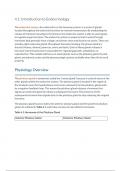
The endocrine system, also referred to as the hormone system, is a series of glands located throughout the body that functions to maintain homeostasis. By modulating the release of chemical messengers (hormones), the endocrine system is able to send signals to regulate organ functions. The endocrine system is unique in that it works through hormones that generally have a longer and slower onset and duration of action. There are actually eight endocrine glands throughout the body including: the pineal, pituitary, thyroid, thymus, adrenal, pancreas, ovary and testis. Each of these glands releases a hormone into the body that is responsible for regulating growth, metabolism, or reproduction. This module will focus on select glands such as the pituitary gland, thyroid gland, and adrenal cortex and the pharmacologic options available when they fail to work properly. Physiology Overview The pituitary gland is sometimes called the “master gland” because it controls many of the other glands within the endocrine system. The pituitary gland is located in the region of the forebrain near the hypothalamus. Hormones released from the pituitary gland work by a negative feedback loop. This means the pituitary gland releases a hormone that signals an endocrine gland to release a subsequent hormone. The presence of this subsequent hormone then signals back to the pituitary gland to stop releasing the original hormone. The pituitary gland has two lobes, the anterior pituitary gland and the posterior pituitary gland. As outlined in Table 4.1, each lobe secretes its own distinct hormones. Table 4.1 Hormones of the Pituitary Gland Pathophysiology and Related Drug Therapy Pituitary Generally, medications that affect the pituitary gland are being used as replacements for a hormone deficiency within the body. Examples of medications used to treat a pituitary hormone deficiency include (1) Somatropin (2) Octreotide, (3) Vasopressin and (4) Desmopressin. Somatropin- mimics the effects of growth hormone (GH) by promoting growth within the body. Typically, somatropin is used in children to promote linear growth when they do not produce a sufficient amount of endogenous hormone on their own. Octreotide- inhibits GH release and is structurally similar to the body’s GH release-inhibiting factor or somatostatin. It is useful in the treatment of severe watery diarrhea re
Información del documento
- Subido en
- 24 de agosto de 2023
- Número de páginas
- 31
- Escrito en
- 2023/2024
- Tipo
- Examen
- Contiene
- Preguntas y respuestas

