Antislavery and Abolitionism
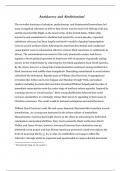
The revivalist doctrines of salvation, perfectionism, and disinterested benevolence led many evangelical reformers to believe that slavery was the most God-defying of all sins and the most terrible blight on the moral virtue of the United States. While white interest in and commitment to abolition had existed for several decades, organized antislavery advocacy had been largely restricted to models of gradual emancipation (seen in several northern states following the American Revolution) and conditional emancipation (seen in colonization efforts to remove black Americans to settlements in Africa). The colonizationist movement of the early nineteenth century had drawn together a broad political spectrum of Americans with its promise of gradually ending slavery in the United States by removing the free black population from North America. By the 1830s, however, a rising tide of anticolonization sentiment among northern free black Americans and middle-class evangelicals’ flourishing commitment to social reform radicalized the movement.
Escuela, estudio y materia
- Institución
- College Of Staten Island
- Grado
- COR 100
Información del documento
- Subido en
- 3 de julio de 2023
- Número de páginas
- 5
- Escrito en
- 2020/2021
- Tipo
- NOTAS DE LECTURA
- Profesor(es)
- Batson
- Contiene
- Todas las clases
Temas
-
antislavery
-
abolitionism
-
perfectionism
-
salvation
-
evangelical reformers
-
slavery
-
emancipation
-
abolition
-
conditional emancipation
-
american revolution
-
settlements
-
colonizationist
-
colonizationist movement

Documento también disponible en un lote