NUNP 6551 Midterm Study Guide
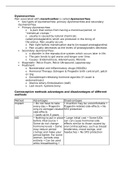
Dysmenorrhea Pain associated with menstruation is called dysmenorrhea. two types of dysmenorrhea: primary dysmenorrhea and secondary dysmenorrhea. Primary dysmenorrhea: o is pain that comes from having a menstrual period, or "menstrual cramps." o usually is caused by natural chemicals called prostaglandins which are produced in the lining of the uterus. Pain usually occurs o Pain right before menstruation starts (increased prostaglandins) o Pain usually decreases as the levels of prostaglandins decrease. Secondary dysmenorrhea: o a disorder in the reproductive system which occurs later in life. o The pain tends to get worse and longer over time. o Causes: Endometriosis, Adenomyosis, Fibroids Diagnostic: Pelvic Exam, Pelvic Ultrasound, Laparoscopy Treatment: o Nonsteroidal anti-inflammatory drugs (NSAIDs) o Hormonal Therapy: Estrogen & Progestin birth control pill, patch or ring o Gonadotropin-releasing hormone agonists (if cause is endometriosis) o Uterine Artery Embolization (UAE) o Last resort: hysterectomy Contraceptive methods advantages and disadvantages of different methods Method Advantages Disadvantages Implant • Do not have to take every day • Progestin only-no estrogen related side-effects • Lasts up to 3 years • Insertion may be uncomfortable • Progestin-related side effects • No STD protection IUD • Nothing to put in place before intercourse • Some do not change hormone levels • Some may reduce period cramps and make your period lighter. For some women, periods stop entirely • Can be used while breastfeeding • • Large initial cost • Some IUDs can can cause hormonal side effects similar to those caused by oral contraceptives, such as breast tenderness, mood swings, and headaches • No STD protection Can be used for an extended period of time (5 years and up) • The ability to become pregnant returns quickly once IUD is removed Depo-Provera • Convenient. One injection prevents pregnancy for 11–13 weeks • Birth control effects begin as soon as first injection • Reversible. Most women can get pregnant within 12-18 months of last injection. • Can be used while breastfeeding • May cause adverse effects, including: irregular bleeding; amenorrhea; weight gain; headache; nervousness; stomach pain; dizziness; weakness; depression; decreased libido. Many women who experience side effects during the first few months of use report that these decrease over time • Ovulation may not recur for a year after injection • May cause significant bone mineral density loss • No STD protection Birth Control Pills • Very effective against pregnancy if used correctly • Makes menstrual periods more regular and lighter • Decreases menstrual cramps and acne • Does not interfere with spontaneity • Must be taken every day at the same time • Can’t be used by women with certain medical problems or with certain medications • Can occasionally cause side effects such as nausea, increased appetite, headaches, and, very rarely, blood clots • No STD protection Patch • Easy to use • Small • Stays on well (but must be replaced weekly) • Possible skin reactions • No STD protection Ring • Easy to use • Can be worn for three weeks (Must be taken out and replaced monthly) • Effects fertility one month at a time • Does not interfere with spontaneity • Increased risk of heart attack and stroke • Possibility of expulsion from the body • No STD protection Diaphragm with spermicide • Can be carried in pocket or purse •
Información del documento
- Subido en
- 14 de marzo de 2023
- Número de páginas
- 12
- Escrito en
- 2022/2023
- Tipo
- Otro
- Personaje
- Desconocido