
Summary Uworld Nclex Notes
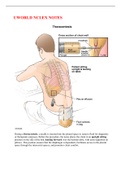
UWORLD NCLEX NOTES During a thoracentesis, a needle is inserted into the pleural space to remove fluid for diagnostic or therapeutic purposes. Before the procedure, the nurse places the client in an upright sitting position on the side of the bed, leaning forward over the bedside table, with arms supported on pillows. This position ensures that the diaphragm is dependent, facilitates access to the pleural space through the intercostal spaces, and promotes client comfort. (Option 1) The fetal position is appropriate for a client having a lumbar puncture, not a thoracentesis. (Option 2) If unable to sit, the client can be positioned lying on the unaffected, not affected, side. (Option 3) Prone position is not used for this procedure, is uncomfortable, and would make it more difficult for a client with dyspnea to breathe. Educational objective: Before a thoracentesis, the nurse places the client in an upright sitting position on the side of the bed, leaning forward over the bedside table, with arms supported on pillows. This position ensures that the diaphragm is dependent, facilitates access to the pleural space through the intercostal spaces, and promotes client comfort. A central line or central venous catheter (CVC) is inserted by the health care provider in a "central" vein (eg, subclavian, internal jugular, femoral) and is used to administer fluids, medications, and parenteral nutrition and for hemodynamic monitoring. Proper hand hygiene should be performed when caring for a CVC to prevent infection, and nonsterile gloves should be worn to protect the nurse from blood or body fluids at the port site as one or more lumens are often used to draw blood (Option 3). The Centers for Disease Control and Prevention recommend that catheter hubs always be handled aseptically to prevent catheter-associated infections. The hubs should be disinfected with a hospital-approved antiseptic (eg, 70% alcohol sterile pads; 0.5% chlorhexidine with alcohol; 10% povidone-iodine). Always allow the antiseptic to dry before using the hub/port (Option 4). The nurse would expect to hear a murmur with an atrial septal defect. This defect is an abnormal opening between the right and left atria, allowing blood from the higher pressure left atrium to flow into the lower pressure right atrium. The back-and-forth flow of blood between the 2 chambers causes a vibration that is heard as a murmur on auscultation. ASD has a characteristic systolic murmur with a fixed split second heart sound. Some clients may also have a diastolic murmur. (Option 1) Muffled heart tones are not typical in ASD. Muffled heart tones that are heard postsurgical intervention are concerning for cardiac tamponade. (Option 3) Atrial and ventricular septal defects are acyanotic congenital heart defects because the blood from the high pressure left side (oxygenated blood) goes to the low pressure right side. (Option 4) Weak lower and strong upper extremity pulses are present in coarctation of the aorta. Educational objective: In a child with atrial septal defect, the nurse would expect to hear a heart murmur on auscultation of heart sounds. Copyright © UWorld. All rights reserved. (Option 1) CVCs may have multiple lumens. These are used to administer incompatible drugs simultaneously, for blood draws, and for hemodynamic monitoring. (Option 2) Enteral nutrition is given only through the GI tract (orally or through a feeding tube). Parenteral nutrition is administered through the IV route via a central vein. Educational objective: A central venous catheter is used to administer fluids, for simultaneous infusion of incompatible drugs, for parenteral nutrition, and for hemodynamic monitoring. The nurse should always handle the lumen ports and hubs aseptically with facility-approved antiseptics to prevent catheter-associated infections. A colostomy is a surgical procedure that creates an opening (stoma) in the abdominal wall for the passage of stool to bypass an obstructed or diseased portion of the colon. Stool drains through the intestinal stoma into a pouch device secured to the skin. Colostomies can be performed on any part of the colon (ascending, transverse, descending, and sigmoid). Depending on the location of the colostomy, characteristics of the stool will vary, with the stool becoming more solid as it passes through the colon. Proper care of the stoma and pouch appliance that should be taught to the client or caregiver includes the following: • Ensure sufficient fluid intake (at least 3,000 mL/day unless contraindicated) to prevent dehydration; identify times to increase fluid requirements (hot weather, increased perspiration, diarrhea) (Option 4). • Identify and eliminate foods that cause gas and odor (broccoli, cauliflower, dried beans, brussels sprouts) (Option 1). • Empty the pouch when it becomes one-third full to prevent leaks due to increasing pouch weight (Option 2). (Option 3) Stool produced in the ascending and transverse colon is semiliquid, which eliminates the need for irrigation. Irrigation to promote a bowel regimen may be useful for descending or sigmoid colostomies as the stool is more formed. Educational objective: The stool changes from liquid to more solid as it passes through the colon. Proper care of the ostomy and pouching device in clients with a colostomy includes ensuring sufficient fluid intake, preventing gas and odor, and changing the pouching system when it becomes one-third full to prevent leaks. The highest priority intervention for an actively vomiting client with cholelithiasis is maintenance of strict NPO status to avoid additional gallbladder stimulation. Additional collaborative interventions (see table) for cholecystitis should also be taken into account. (Option 1) Promethazine 25 mg suppository is the second priority. Promethazine promotes the relief of nausea and vomiting and minimizes further fluid loss. (Option 2) Obtaining fluid and electrolyte replacement with sodium chloride 100 mL/hr is the third priority and assists in the maintenance of fluid balance. (Option 3) Insertion of a nasogastric (NG) tube to low suction is the fourth priority. NG suction provides gastric decompression, alleviates nausea and vomiting, and promotes bowel rest. Educational objective: The highest priority intervention for an actively vomiting client with acute cholecystitis is maintenance of strict NPO status to avoid additional stimulation of the gallbladder. Additional priorities include management of nausea and vomiting, pain, fluid balance, and gastric decompression. Contact precautions Organisms • MDR organisms (eg, MRSA, VRE) • Enteric organisms (eg, Clostridium difficile) • Scabies Infection-control measures • Hand hygiene (soap & water for C difficile) • Nonsterile gloves • Gown • Private room preferred MDR = multidrug-resistant; MRSA = methicillin-resistant Staphylococcus aureus; VRE = vancomycin-resistant Enterococcus. Clostridium difficile is a highly infectious bacteria causing severe colitis in infected clients. When caring for a client with C difficile, it is critical that the nurse implement contact isolation precautions to prevent transmission of microorganisms between clients, including: • Placing the client in a single-client room, if possible, or in a cohort with other clients infected with C difficile (Option 3) • Wearing a single-use, disposable gown and clean gloves during all client care and discarding the equipment before leaving the room (Option 5) • Performing hand hygiene before and immediately after client care with soap and water • Using dedicated medical equipment (eg, stethoscope, blood pressure cuff) that is not shared between clients and always remains in the client's room (Option 1) Clean, rather than sterile, gloves are required during care of a client with C difficile to prevent transmission of infection to other individuals. (Option 2) Surgical masks are required when caring for a client prescribed droplet isolation precautions but are needed only in clients with contact isolation precautions if performing activities with the possibility of body fluid splashing (eg, suctioning, wound care). (Option 4) When caring for clients with C difficile, it is critical to perform hand hygiene with soap and water, rather than alcohol-based sanitizers. Alcohol-based sanitizers are unable to effectively kill spore-forming bacteria (eg, C difficile, anthrax). Educational objective: Clostridium difficile is a highly infectious bacteria requiring contact isolation precautions, including a single-client room assignment if available, disposable gowns and clean gloves, and hand hygiene with soap and water. Surgical masks are not necessary unless performing client care with the possibility of body fluid splashing. When the client arrives in the post-anesthesia care unit after pacemaker placement, the nurse should attach the cardiac monitor to assess the function of the pacemaker. If the atrioventricular (dual-chambered) pacemaker is working properly, pacer spikes should be visible prior to the P waves and QRS complexes (electrical capture). If the pacemaker is not working properly (eg, failure to capture, failure to sense), the health care provider should be contacted immediately (Option 3). The nurse should also assess for mechanical capture by palpating the client's pulse rate and comparing it with the electrical rate displayed on the cardiac monitor, and check the client's vital signs to assess stability following the procedure. (Option 1) Checking for bleeding or hematoma formation at the insertion site is appropriate but should occur after attaching the cardiac monitor. (Option 2) Postoperative lung sounds are auscultated to assess for atelectasis, but lung assessments do not take priority over ensuring pacemaker functionality. (Option 4) IV fluids and postoperative antibiotics help to reestablish fluid volume and prevent infection, respectively, and should be initiated after cardiac monitoring. Educational objective: Assessing the function of a new permanent pacemaker is a priority after operative placement. The nurse should immediately attach the cardiac monitor before making other appropriate assessments. Misoprostol (Cytotec), a prostaglandin E1, is a cervical ripening agent. Cervical ripening is a process that normally occurs before the onset of labor in which the cervix softens and becomes more pliable so that dilation and effacement can occur more easily during contractions. Mechanical or pharmacologic cervical ripening methods simulate this process and increase the client's probability of achieving a vaginal birth. In addition to ripening the cervix, prostaglandins (eg, misoprostol, dinoprostone) can stimulate frequent contractions. Therefore, administration of misoprostol is contraindicated if: • the client is receiving another uterotonic simultaneously (eg, oxytocin) (Option 1). • the client has a history of uterine surgery (eg, cesarean birth) due to an increased risk of uterine rupture at the surgical scar site (Option 2). • the client has an abnormal fetal heart rate pattern or uterine tachysystole (ie, 5 contractions in 10 min) (Option 4). (Option 3) A client with this cervical examination would especially benefit from cervical ripening because it may reduce the amount of oxytocin required later in the labor induction process (oxytocin administered at least 4 hr after last misoprostol dose if needed); less oxytocin reduces postpartum hemorrhage (PPH) risk. (Option 5) The health care provider prescribes misoprostol orally or vaginally for labor induction. Rectal administration is only appropriate during PPH. Educational objective: Misoprostol (Cytotec) is a cervical ripening agent administered orally or vaginally. It is contraindicated in clients who are receiving another uterotonic simultaneously (eg, oxytocin), have had previous uterine surgery (eg, cesarean birth), or have abnormal fetal heart rate patterns or uterine tachysystole. In cystic fibrosis (CF), a protein responsible for transporting sodium and chloride is defective and causes the secretions from the exocrine glands to be thicker and stickier than normal. These abnormal secretions plug smaller airway passages and ducts in the gastrointestinal (GI) tract. The thick secretions block pancreatic ducts, resulting in a deficient amount of pancreatic enzymes entering the bowel to aid in digestion and nutrient absorption. Clients require multiple vitamin supplements and supplemental pancreatic enzymes that are administered with meals. To meet the growth needs of clients with CF, a diet high in calories, fat, and protein is required. (Options 1, 3, and 4) A gluten-free diet is required for clients with celiac disease who cannot tolerate barley, rye, oats, or wheat (mnemonic: BROW). Low-phosphate diets are indicated for clients with certain kidney disorders. Low-sodium diets are indicated for volume overload states (eg, heart failure, ascites) and hypertension. Educational objective: Cystic fibrosis causes damage to the GI tract and pancreas, leading to impaired absorption of nutrients and resulting growth deficits. Clients must consume a diet high in calories, fat, and protein. The MAP refers to the average pressure within the arterial system felt by the vital organs. A normal MAP is between 70-105 mm Hg. If the MAP falls below 60 mm Hg, vital organs may be underperfused and can become ischemic. MAP can be calculated using the formula below: Mean Arterial Pressure = Systolic Blood Pressure + (Diastolic Blood Pressure × 2) 3 A normal MAP is 70-105 mm Hg. The client with the BP of 106/42 mm Hg has a MAP of 63 mm Hg, in the abnormal range. The nurse should report this to the HCP and monitor the client closely. (Options 1, 2, and 3) These MAPs are within the 70-105 mm Hg normal range. Educational objective: Mean Arterial Pressure = Systolic Blood Pressure + (Diastolic Blood Pressure × 2) 3 A normal MAP is 70-105 mm Hg. A MAP 60 mm Hg will not allow for adequate perfusion of vital organs. With careful monitoring of nutritional intake, a vegan diet (ie, excluding all animal-derived products [eg, meat, dairy, eggs]) can be appropriate for clients in all age groups. Pediatric clients consuming a vegan diet are at increased risk for nutritional deficiencies (eg, protein, calories, calcium, vitamin D, iron, vitamin B12) due to rapid growth and development. Nurses educating clients about preventing nutritional deficiencies in vegan diets should include information about: • Iron: Plant sources of iron, which are in smaller quantities and difficult to absorb, should be supplemented with fortified cereals and breads to decrease risk of iron-deficient anemia (Option 2) • Vitamin C: Iron absorption is improved when dietary sources of iron and vitamin C are taken together (Option 4) • Calcium: Without animal sources of calcium (eg, dairy, eggs, fish), vegan diets require supplementation of calcium and vitamin D for bone health (Option 5) (Option 1) Many plant-based proteins (eg, legumes, grains) do not individually contain all the essential amino acids to support growth and tissue repair; therefore, vegan clients will require further teaching on combinations of protein sources. (Option 3) Fruits and vegetables do not provide vitamin B12. The nurse should educate the parents on the need for multivitamins or fortified grains as quality vitamin B12 sources. Educational objective: Pediatric clients consuming a vegan diet are at risk for dietary deficiencies (eg, iron, protein, calories, vitamin B12, calcium, vitamin D). Parent education about supplementation and adequate food sources of these nutrients is necessary. Developmental milestones of infants Age (months) Gross motor Fine motor Language Social/cognitive • Attempts to hold head up 1 when prone • Maintains fisted hands • Cries when upset • Gazes at parent's face when parent speaks 2-3 • Gains head control when held • Holds rattle when placed in hand • Makes cooing sounds • Smiles in response to smiling & talking • Recognizes familiar faces 4-5 • Rolls front to back, then back to front • Sits with support • Holds objects with palmar grasp • Puts things in mouth • Begins to laugh • Makes some consonant sounds • Becomes calmed by parent's voice 6-9 • Sits without help • Begins to crawl • May pull to a stand • Moves objects between hands • Uses crude pincer grasp • Babbles & imitates sounds • May say "mama" • May have stranger anxiety 10-12 • May walk with help or • Uses 2-finger pincer grasp • Says 3-5 words • May have separation take independent steps • Crawls up stairs • Hits 2 objects together • Uses nonverbal gestures (eg, waving goodbye) anxiety • Searches for hidden objects Developmental milestones (eg, motor, sensory, verbal, cognitive) are known patterns of growth and development noted in most children by a specific age. These milestones are used as a general assessment guide, although each child has a unique pattern of development. By age 3 months, the infant recognizes familiar items and faces (Option 2). Any 3-month-old who does not respond to familiar faces may have visual impairment or an underlying neurological disorder (eg, autism). (Option 1) Stranger anxiety is part of the infant's normal social and cognitive development and usually begins around age 6 months. (Option 3) Transferring objects from one hand to the other hand is a fine motor skill that usually develops between age 6 and 9 months. Failure to develop this skill may indicate neuromuscular or developmental delays. (Option 4) A 3-month-old is usually not strong enough to roll from the back to the front. Infants should be able to turn from the abdomen to the back at around age 4 months and then from the back to the abdomen by age 6 months. Failure to roll over by age 6 months may indicate slower- than-normal neck, leg, back, and arm muscle development and should be investigated. Educational objective: Developmental milestones (known patterns of growth and development) are used as a general assessment guide. By age 3 months, the infant should recognize familiar items and faces. Any 3-month-old who does not respond to familiar faces (eg, by cooing) may have visual impairment or an underlying neurological disorder (eg, autism). Copyright © UWorld. All rights reserved. Oropharyngeal candidiasis, or thrush (moniliasis), is an infection of the mucous membranes generally caused by the yeastlike fungus Candida albicans. The fungus causes pearly, "milk- curd" lesions on the oral or laryngeal mucosa that may bleed when removed. Immunosuppressed individuals such as those taking corticosteroid medications, clients undergoing chemotherapy or radiation, or clients with immune deficiency states (eg, AIDS) have an increased incidence. Clients receiving prolonged or high-dose antibiotic treatment are at increased risk as the normal microbial flora of the mouth is reduced, allowing other opportunistic infections to arise (Option 2). Individuals with dentures and infants also commonly experience monilial infections. Treatment is antifungal medications (eg, nystatin) and proper oral hygiene. (Option 1) Inhaled beta-2 agonists (eg, albuterol) do not increase the risk for fungal infections. However, individuals taking an inhaled corticosteroid (eg, budesonide, fluticasone) are at increased risk for oral candidiasis. To reduce this risk, the client should rinse the mouth after each inhaled dose and maintain good oral hygiene. (Options 3 and 4) Proper oral hygiene and nutrition are important in prevention of oral candidiasis. However, the client with braces or poor hygiene and inadequate nutrition is at lower risk than one who is immunosuppressed or taking antibiotics. Educational objective: Immunosuppressed clients (eg, taking steroids, undergoing chemotherapy or radiation, with immunodeficient states) and those taking prolonged or high-dose antibiotics are at increased risk of oral candidiasis. Elderly clients with dentures are also at high risk. Infection is treated with antifungals (eg, nystatin) and proper oral hygiene. Transgender women clients are often prescribed antiandrogen medications (eg, spironolactone) to reduce androgen levels (eg, testosterone) and estrogen therapies to induce feminizing traits (eg, breast enlargement, reduction in body hair, decrease in testicular size and erectile function). Estrogen places clients at an increased risk for developing blood clots, due to hypercoagulability, and therefore adverse thrombotic events (eg, stroke, myocardial infarction, venous thromboembolism). Signs and symptoms of deep venous thrombosis (eg, leg swelling, redness, pain) should be reported to the health care provider (HCP) immediately (Option 3). The client should also be taught smoking cessation and diabetes management, and to avoid long periods of immobilization to further decrease the risk of thrombus formation. (Option 1) Breast tenderness and enlargement are common, expected side effects of estrogen therapy. (Option 2) Generalized weight gain during estrogen therapy is caused by fluid retention and is generally mild. However, if weight gain with cardiovascular symptoms (eg, pedal edema) occurs, the HCP should be notified. (Option 4) Nausea and vomiting can occur with estrogen therapy and may be remedied with dosage adjustments or taking oral estrogen with food. Educational objective: Clients taking estrogen therapy are at an increased risk for hypercoagulability and thromboembolic complications. Signs or symptoms of deep venous thrombosis (eg, leg swelling, redness, pain) should be reported to the health care provider immediately. Scope of practice RN LPN/LVN UAP • Clinical assessment • Initial client education • Discharge education • Clinical judgment • Initiating blood transfusion • Monitoring RN findings • Reinforcing education • Routine procedures (eg, catheterization) • Most medication administrations • Ostomy care • Tube patency & enteral feeding • Specific assessments* • Activities of daily living • Hygiene • Linen change • Routine, stable vital signs • Documenting input/output • Positioning LPN = licensed practical nurse; LVN = licensed vocational nurse; RN = registered nurse; UAP = unlicensed assistive personnel. *Limited assessments (eg, lung sounds, bowel sounds, neurovascular checks). Unlicensed assistive personnel (UAP) are assigned tasks for stable clients by the registered nurse (RN), who directs and manages overall client care. The RN cannot delegate the nursing process. UAP can perform active and passive range-of-motion exercises (Option 5). Under the direction of the RN, UAP can apply protective ointment (such as zinc oxide) after cleaning a client (Option 1). UAP can obtain data but the RN is responsible for interpreting (evaluating) it. For example, UAP can obtain objective data such as the client's height and weight, but the RN will analyze this data to determine the need in the nursing care plan (eg, effect on drug dosing) (Option 3). (Option 2) UAP can collect data (eg, an objective pain score), but the RN is responsible for evaluating if the relief is adequate. The word "adequate" refers to the evaluation of treatment and is not part of UAP scope of practice. The RN may consider other aspects (eg, vital signs, body language) when making such evaluations, especially in a nonverbal client. (Option 4) A stroke is not considered stabilized until approximately 48 hours have passed without changes. The client's risk of losing the gag reflex is still high as the stroke could be evolving. UAP should feed only stable clients. Educational objective: Unlicensed assistive personnel (UAP) can perform passive range-of-motion exercises, apply protective ointment, and obtain objective data for stable clients under the direction of a registered nurse. However, UAP cannot feed clients with potential dysphagia or make evaluations about treatment effectiveness. A major problem in the long-term management of hypertension is poor adherence to the treatment plan, often due to unpleasant side effects (eg, fatigue, dizziness, reduced libido, erectile dysfunction) and medication cost. This problem can worsen if a client must take multiple medications. Determining whether a client is taking medications as prescribed is a priority, as sudden or abrupt discontinuation of antihypertensive medications can cause rebound hypertension and possibly hypertensive crisis (eg, blurred vision, dizziness, severe headache, shortness of breath) (Option 2). (Option 1) The nurse should assess for peripheral edema, which may indicate heart failure. However, this can be done after assessing medication adherence. (Options 3 and 4) Stress can elevate blood pressure. Some over-the-counter medications (eg, decongestants, NSAIDs) can also increase blood pressure. However, poor adherence to prescribed medications is the number one cause of uncontrolled hypertension. The nurse should ask about all other medications the client has taken and the client's stress level after confirming that the prescribed blood pressure medications are being taken correctly. Educational objective: A major problem in long-term management of hypertension is poor adherence to the treatment plan, often due to unpleasant side effects and medication cost. Assessing for medication adherence is important, as abrupt discontinuation of antihypertensive medications can cause rebound hypertension and hypertensive crisis. Copyright © UWorld. All rights reserved. Increased consumption of fiber is the best recommendation for a client with heart failure who has constipation. Diuretics may lead to dehydration; however, fluid intake is usually limited for clients with heart failure. This client's history of heart failure is a contraindication to increased fluid intake due to potential fluid overload and increased workload on the heart (Option 1). The nurse should consult the health care provider before recommending a specific amount of fluid intake. (Options 2 and 4) Exercise is important, but clients with heart failure may not exercise for long periods due to fatigue. Warm baths are not helpful for constipation. Educational objective: When a client taking a diuretic experiences constipation, the nurse must consider the reason for taking the diuretic before offering a recommendation. Increased fluid intake is usually contraindicated in clients with a history of heart failure. Copyright © UWorld. All rights reserved. Current evidence indicates that up to 50% of clients lack knowledge about administration procedures, storage, and side effects of NTG. Proper teaching can prevent many hospital visits for chest pain from stable angina. The client should be instructed to take 1 pill (or 1 spray) every 5 minutes for up to 3 doses, but emergency medical services (EMS) should be called if pain is unimproved or worsening 5 minutes after the first tablet. Previously, clients were taught to call EMS after the third dose, but newer studies suggest that this causes a significant delay in treatment (Option 4). NTG should cause a slight tingling sensation under the tongue if it is potent; otherwise, the medication is likely outdated. The oral mucosa needs to be moist for adequate absorption of NTG, and clients should be instructed to take a drink of water before administration if needed for dry mouth. Sublingual tablets should never be swallowed (Option 3). If using a spray, the client should not inhale it but direct it onto/under the tongue instead. (Option 1) Headache and flushing are common side effects of NTG due to systemic vasodilation. (Option 2) The client should lie down before taking the pill as it can cause dizziness from possible orthostatic hypotension. Educational objective: The nurse should instruct clients taking sublingual NTG that they should call EMS if their chest pain is unrelieved or worsening 5 minutes after the first tablet. The tablet should be allowed to dissolve under the tongue to allow for adequate absorption and should never be swallowed. The low pressure alarm could signal hypotension. The nurse's first action should be to check the client for evidence of hypotension and the cause. Arterial lines carry the risk of hemorrhage and are most likely to occur at connection sites of the tubing and catheter. A client can lose a large amount of arterial blood in a short period of time. The nurse should verify that these connections are tight on admission of the client to the ICU. (Option 2) A fast flush of the arterial line system (square wave test) should be performed after the nurse has ruled out a physiological cause of the low pressure alarm. This test helps to verify if the arterial line is functioning correctly. (Option 3) The transducer should be leveled to the client's phlebostatic axis to measure arterial pressure correctly. However, this should be done after the client has been checked for a physiological cause of the alarm. (Option 4) Zeroing the monitor should be done if measurement accuracy is questioned. However, this should be done after the client has been taken care of. Educational objective: A low pressure alarm for an arterial line can indicate the presence of hypotension or disconnected tubing. Hemorrhage can rapidly occur with a disconnected arterial catheter line. The nurse should check the client for the presence of hypotension and its causes before troubleshooting the system. The Institute for Safe Medication Practices has labeled insulin a high-alert medication. These types of medication can be safe and effective when administered or taken according to recommendations. However, errors in administration may cause death or serious illness. NPH is an intermediate-acting insulin with a duration of 12-18 hours; it is generally prescribed 2 times daily (morning and evening). Regular insulin and other rapid-acting insulins (lispro, aspart, glulisine) are typically used with a sliding scale for tighter control of blood glucose throughout the day. These are generally taken before meals and at bedtime. (Options 1, 2, and 3) These are correct statements and indicate the teaching objective was completed successfully. Educational objective: NPH is an intermediate-acting insulin with a duration of 12-18 hours and typically prescribed twice a day. The anticoagulant heparin has to be administered intravenously or subcutaneously. The duration is 2-6 hours intravenously and 8-12 hours subcutaneously. It is measured by the aPTT (activated partial thromboplastin time) laboratory value. Warfarin (Coumadin) is taken orally, with onset/therapeutic effects reached after 2-7 days. It is measured by prothrombin time (PT) or International Normalized Ratio (INR). The therapeutic range for aPTT or PT/INR is generally 1.5-2.0 times the control value (up to 3 times the control value at times). An aPTT value above the therapeutic range places the client at risk for excess bleeding. The heparin administration would need to be stopped or decreased. Thrombin inhibitors such as dabigatran reduce the risk for clots and stroke in clients with chronic atrial fibrillation. The nurse should teach the client to use bleeding precautions and monitor for symptoms of bleeding, swallow capsules whole with a full glass of water, and keep capsules in their original container until time of use. Fondaparinux (Arixtra), unfractionated heparin, and low molecular weight heparin (eg, enoxaparin, dalteparin) are anticoagulants commonly used for deep vein thrombosis and pulmonary embolism prophylaxis after hip/knee replacement or abdominal surgery. However, fondaparinux is not administered until more than 6 hours after any surgery, and anticoagulants are not given while an epidural catheter is in place (Option 2). Fondaparinux is associated with epidural hematoma. Any bleeding in the tight epidural space, which does not expand, could result in spinal cord compression. Signs of epidural spinal hematoma can include severe back pain and paralysis. Kawasaki disease (KD), also known as mucocutaneous lymph node syndrome, is characterized by ≥5 days of fever, bilateral nonexudative conjunctivitis, mucositis, cervical lymphadenopathy, rash, and extremity swelling. Coronary artery aneurysms are the most serious potential sequelae in untreated clients, leading to complications such as myocardial infarction and death. Echocardiography is used to monitor these cardiovascular complications. Intravenous immunoglobulin (IVIG) along with aspirin is used to prevent coronary aneurysms and subsequent occlusion. KD is one of the few pediatric illnesses in which aspirin therapy is warranted due to its antiplatelet and anti-inflammatory properties. However, parents should be cautioned about the risk of Reye syndrome. Cardiopulmonary resuscitation should also be taught to parents of children with coronary artery aneurysms. There are 2 forms of heparin-induced thrombocytopenia. The first form (platelets 100,000/mm3 [100 x 109/L]) normalizes within a few days. The second form (platelets 40,000/mm3 [40 x 109/L]) is a life-threatening autoimmune process that requires immediate heparin discontinuation. When in doubt of a clinician's judgment, the nurse should document these objections and report to the nursing supervisor. While away from the negative-pressure isolation room, all clients on airborne transmission-based precautions must wear a surgical mask to contain exhaled respiratory secretions. Hypertensive disorders of pregnancy Chronic hypertension • Systolic pressure ≥140 mm Hg &/or diastolic pressure ≥90 mm Hg prior to conception or 20 weeks gestation Gestational hypertension • New-onset elevated blood pressure at ≥20 weeks gestation • No proteinuria or end-organ damage • New-onset elevated blood pressure at ≥20 weeks gestation Preeclampsia AND • Proteinuria OR signs of end-organ damage • Preeclampsia Eclampsia AND • New-onset grand mal seizures Gestational hypertension is new-onset high blood pressure (≥140/90 mm Hg) that occurs after 20 weeks gestation without proteinuria. The development of proteinuria with hypertension indicates preeclampsia, which may manifest with symptoms such as headache, visual disturbances, and facial swelling. This client is exhibiting symptoms of preeclampsia and should be assessed first (Option 3). Complications of preeclampsia may include thrombocytopenia, liver dysfunction, and renal insufficiency. Clients with preeclampsia must be monitored closely for sudden worsening, which can lead to serious complications, including eclampsia and/or HELLP syndrome (hemolysis, elevated liver enzymes, and low platelets). A ventriculoperitoneal shunt is used to treat hydrocephalus and is usually placed at age 3-4 months. Blockage and infection are complications of shunt placement. Blockage results in signs of increased intracranial pressure (ICP). The normal pulse range for a 1-year-old is 100- 160/min. A pulse of 78/min is considered bradycardia, a part of Cushing's triad (bradycardia, slowed respiration, widened pulse pressure). Many clients with advanced Alzheimer disease reside in long-term care centers; therefore, most routine care activities can be delegated to the licensed practical nurse (LPN) and unlicensed assistive personnel (UAP). The role of the LPN includes: • Administration of enteral feedings (if prescribed) • Administration of medications • Monitoring for safety hazards • Monitoring for behavioral changes The role of UAP includes: • Assisting with activities of daily living (eg, toileting, bathing, skin care, oral care, personal hygiene) (Option 1) • Assisting with feeding • Reporting changes in ability to eat or difficulty swallowing (Option 5) • Reporting changes in behavior • Placing bed alarms to reduce risk of falls (Option 4) Infants 30 days old have immature immune systems and a blunted response to infection. The 7- day-old infant is at high risk for bacteremia. Infectious manifestations are often subtle at this age (eg, fever can be the only symptom), although some infants may have hypothermia, lethargy, poor feeding, or decreased urine output. Rectal temperature 100.4 F (38.0 C) or 96.8 F (36.0 C) is a "red flag" in a neonate. Treatment of an acute attack can include nebulized breathing treatment with a short-acting beta- agonist medication such as albuterol, and oral or IV corticosteroids. Oxygen saturation is the best indicator of treatment effectiveness as it reflects gas exchange. An advance directive is placed in the client's medical record and copies are given to health care proxies. Two witnesses are required for completion of the advance directive, but they should not be the health care proxies listed in the document. Infants and young children have a higher percentage of body water than older children and adults. As a result, they become dehydrated quickly due to fluid losses caused by vomiting and diarrhea. Signs of severe dehydration include lethargy, sunken fontanel, increased capillary refill time, increased heart rate, and increased respiratory rate. When dehydration is severe enough to affect the client's hemodynamic status or to potentiate shock, the priority is intravenous rehydration (Option 3). Health care workers are required to abide by Occupational Safety and Health Administration standards and regulations to reduce work-related injuries (eg, sharps) and exposure to bloodborne pathogens (eg, HIV, hepatitis B and C). A sharps disposal container should not be overfilled and should be replaced on a regular basis to reduce the risk for a needle stick during disposal. The measles-mumps-rubella vaccine is a live attenuated vaccine and is contraindicated in pregnancy due to the risk of teratogenic effects to the fetus. Clients who are nonimmune to rubella should receive the vaccine in the postpartum period. Pregnancy should be avoided for at least 1-3 months after immunization. This client is experiencing the symptoms of a panic attack and should not be left alone. The priority nursing action is to stay with the client to ensure the client's safety and offer support. The order of removal for personal protective equipment (PPE) should be from most to least contaminated, because this reduces the risk of contaminating the nurse's skin and clothes. When exiting the room of a client on both contact and airborne precautions, the nurse should perform the following actions in order: 1. Place the call light within the client's reach and ensure that the client's bed is locked and in the lowest position. 2. Remove the gown and gloves (ie, contact isolation PPE) in order of most to least contaminated. The nurse can remove gloves and then gown, or alternately, can remove gown and gloves together. 3. Discard the gown and gloves and then perform hand hygiene. 4. Exit the negative pressure room and immediately close the door to prevent infectious airborne microorganisms from escaping into the hallway or isolation anteroom. 5. Remove and discard the N95 respirator mask and then perform final hand hygiene. Negative pressure rooms continuously filter air out of the room, creating a lower pressure gradient that prevents airborne microorganisms from escaping through the doorway. To prevent exposure to infectious airborne microorganisms, nurses should remove N95 respirator masks only after exiting the room. The nurse should first call the client with tingling in the right foot. Musculoskeletal injuries and immobilization devices (cast) can cause neurologic or vascular damage to the extremity distal to the injury. Paresthesia (eg, numbness, tingling) is an early sign of neurovascular impairment (nerve ischemia). It would be important for the client to report to the HCP for immediate evaluation. This is the most urgent call to return. Occlusion of a central venous access device can be related to mechanical, medication precipitate, or thrombotic causes. The nurse should first attempt to remove the occlusion by eliminating a possible mechanical obstruction (eg, reposition client to adjust catheter tip location) before notifying the health care provider. Hypertensive crisis is a life-threatening emergency due to the possibility of severe organ damage. If not treated promptly, complications such as intracranial hemorrhage, heart failure, myocardial infarction (MI), renal failure, aortic dissection, or retinopathy may occur. Emergency treatment includes IV vasodilators such as nitroprusside sodium. It is important to lower the blood pressure slowly, as too rapid a drop may cause decreased perfusion to the brain, heart, and kidneys. This may result in stroke, renal failure, or MI. The initial goal is usually to decrease the MAP by no more than 25% or to maintain MAP at 110-115 mm Hg. The pressure can then be lowered further over a period of 24 hours. MAP is calculated by adding the systolic blood pressure (SBP) and double the diastolic blood pressure (DBP), and then dividing the resulting value by 3. MAP = (2 x DBP + SBP) / 3 A reduction or energy expenditure of 3,500 calories (kcal) will result in a weight loss of 1 lb (0.45 kg). To lose 20 lb (9 kg), the client needs to reduce intake by a total of 70,000 kcal (3500 kcal x 20 lb [9 kg] = 70,000 kcal). Over a period of 16 weeks, this would require a daily reduction of: 625 kcal (70,000 kcal / [16 weeks x 7 days] = 625 kcal/day) Clients with orthopedic injuries, particularly pelvic and long bone injuries (eg, femoral fracture), may develop a fat embolus. Fat emboli are thought to occur from the release of fat globules (lipids) from bone marrow or the systemic release of triglycerides into the bloodstream following a mechanical insult. The circulating lipids can occlude small vessels in the lungs (similar to pulmonary embolism), brain, and skin, which impair circulation and oxygenation, leading to: • Respiratory distress syndrome (eg, dyspnea, tachycardia, sudden and worsening chest pain, hypoxemia, restlessness, anxiety) • Altered mental status (eg, confusion, memory loss) • Petechial hemorrhages in the arms, chest, and/or neck (Option 1) • The newborn of a mother who is opioid-dependent (eg, heroin, methadone, hydrocodone) is at high risk for neonatal abstinence syndrome (NAS) or drug withdrawal secondary to in utero exposure to maternal substance abuse. Opioid withdrawal typically manifests within 24-48 hours after birth. Clinical manifestations of withdrawal include irritability, jitteriness, high-pitched cry, sneezing, diarrhea, vomiting, and poor feeding. • The newborn with NAS is at risk for skin excoriation from excessive movement caused by hyperactivity and restlessness. The nurse should swaddle the newborn with the arms and legs flexed to prevent skin damage from excessive movement and minimize stimulation. If signs of overstimulation (eg, sneezing, arching) continue, then gentle, rhythmic rocking may soothe the newborn (Option 4). Early recognition and treatment of heart attack are critical. Women, the elderly, and clients with a history of diabetes may not have the classic heart attack symptoms of dull chest pain with radiation down the left arm. Instead, they can present with "atypical" symptoms such as nausea, vomiting, belching, indigestion, diaphoresis, dizziness, and fatigue. Clients with multiple sclerosis experience fatigue, incoordination, balance impairment, muscle weakness, and muscle spasticity from demyelination of nerve fibers. Gait training (eg, walking with the feet apart) and assistive devices can help prevent falls and injury and preserve independence as long as possible. The nurse should palpate and compare the characteristic and quality of the pulses on the right and left extremities simultaneously to determine symmetry. The force of the pulse should be rated as 0, absent; 1+, weak; 2+, normal; and 3+, increased, full, bounding. These descriptions should be documented in the client's record. The basic life support sequence is compressions, airway, and breathing (mnemonic - CAB). High-quality CPR is associated with improved client outcomes and begins with high-quality chest compressions (ie, 100-120/min, 2-2.4 in [5-6 cm] deep). Any unwitnessed collapse should be treated with 2 minutes of CPR, followed by activating the emergency response system and obtaining an automated external defibrillator. If no shock is advised, the nurse should resume high-quality chest compressions immediately (Option 3). Myxedema coma is a state of severe hypothyroidism and decreased level of consciousness that may progress to coma and respiratory failure. The nurse should provide respiratory support (eg, ventilation with a bag-valve-mask) and prepare to assist with intubation. Preterm birth is defined as birth before 37 weeks and 0 days gestation. Infection (eg, periodontal disease, urinary tract infection) is strongly associated with preterm labor, particularly when untreated (Option 2). Infection causes release of inflammatory mediators such as prostaglandins, which are uterotonic (ie, promote contractions) and contribute to cervical softening. Some risk factors for preterm birth may be modifiable with lifestyle changes and early treatment. Risk factors should be addressed at the initial and each subsequent prenatal visit to allow for early identification and management. Some risk factors for preterm birth include: • History of spontaneous preterm birth in a previous pregnancy (single largest independent risk factor) • Previous cervical surgery, such as a cone biopsy (weakens cervical support) • Tobacco and/or illicit drug use • • Clients attempting vaginal birth after cesarean (VBAC) have a slightly increased risk for uterine rupture due to previous surgical scarring of the uterus. Clients desiring VBAC are usually encouraged to wait for spontaneous onset of labor rather than undergo induction and are monitored closely throughout labor and delivery. • The first sign of uterine rupture is usually abnormal fetal heart rate (FHR) patterns. Other manifestations include constant abdominal pain, loss of fetal station, and sudden cessation of uterine contractions (Option 1). Hemorrhage, hypovolemic shock, and maternal tachycardia may occur if severe rupture occurs unrecognized. Obstructive sleep apnea (OSA) is a chronic condition that involves the relaxation of pharyngeal muscles during sleep. The resulting upper airway obstruction with multiple events of apnea and shallow breathing (hypopnea) leads to hypoxemia and hypercapnia. CPAP is an effective treatment for OSA; it involves using a nasal or full face mask that delivers positive pressure to the upper airway to keep it open during sleep. In this case, the nurse's first action should be to check the tightness of the straps that hold the mask in place. The full face mask must fit snugly over the client's nose and mouth without air leakage to maintain the positive airway pressure and prevent obstruction of upper airway airflow. Readjustment of the head straps may be necessary (Option 2). The HCP performing the surgery should explain the risks, benefits, and alternatives of the specific procedure to the client. However, the nurse can witness the client's signing of the consent form; this differs from "obtaining consent." If the client had a question about the procedure, or the risks, alternatives, or outcomes, then the HCP should be contacted to provide additional teaching to the client. However, an ordinary question about general care or health care teaching can be answered by the nurse as this is part of the nurse's role. Ordinarily, lymph nodes are not palpable in adults. However, a lymph node that is palpable, superficial, small (0.5-1 cm), mobile, firm, and nontender is considered a normal finding. It could easily be explained by the relatively recent mastectomy (trauma) with resulting inflammation and lymph flow interference. A tender, hard, fixed, or enlarged node is an abnormal finding. Tender nodes are usually due to inflammation but hard or fixed nodes could indicate malignancy. Mitral valve regurgitation is the result of a disrupted papillary muscle(s) or ruptured chordae tendineae, allowing a backflow of blood from the left ventricle through the mitral valve into the left atrium. This backflow can lead to dilation of the left atrium, reduced cardiac output, and pulmonary edema. Clients are often asymptomatic but are instructed to report any new symptoms indicative of heart failure (eg, dyspnea, orthopnea, weight gain, cough, fatigue). This client should be assessed first due to possible heart failure, which would require immediate intervention. Amoxicillin/clavulanate in liquid form should be shaken well prior to administration; the correct dose is administered using a calibrated measuring device. It is taken with or without food, at evenly spaced intervals, and until all the medication is consumed. If nausea or diarrhea develops, the medication may be administered with food. Clients with immune thrombocytopenic purpura (ITP) have low platelet counts and an increased risk of bleeding. Appropriate care for clients with ITP includes safe exercise; using stool softeners, electric razors, and soft-bristle toothbrushes; and avoiding nonsteroidal anti- inflammatory drugs. The ICD is designed to defibrillate potentially life-threatening dysrhythmias. Although the device is able to sense electrical activity of the heart and respond, it is unable to sense or treat pulselessness. CPR should be initiated in the pulseless client with an ICD. Atrial fibrillation is characterized by disorganized electrical activity in the atria due to multiple ectopic foci. It leads to loss of effective atrial contraction and places the client at risk for embolic stroke as a result of the thrombi formed in the atria. During atrial fibrillation, the atrial rate may be increased to 350-600/min. The ventricular response can vary. The higher the ventricular rate, the more likely the client will have symptoms of decreased cardiac output (ie, hypotension). The treatment goals are to reduce the ventricular rate to 100/min and prevent stroke. Ventricular rate control is the priority. Medications used for rate control include calcium channel blockers (ie, diltiazem), beta blockers (ie, metoprolol), and digoxin. The therapeutic INR range is 2-3 for a client receiving warfarin to treat atrial fibrillation. Subtherapeutic INR increases the risk for atrial thrombus formation, with subsequent embolization and stroke. Excess anticoagulation (INR 3-4) increases the risk for bleeding. A structured routine and consistency during hospitalization are critical in the care of clients with autism spectrum disorder (ASD). The nurse should talk with the parent and/or caregiver to determine the client's usual patterns and habits for a typical day at home, including meal times, bath time, and play time. In the unfamiliar and often unpredictable environment of the acute care setting, a schedule of activities can decrease anxiety and help the client with ASD anticipate what will happen next. Meniere disease results from excess fluid accumulation in the inner ear. Attacks involve severe vertigo, nausea, and hearing loss. Clients with Meniere disease should be taught to adhere to a low-sodium diet; eliminate tobacco products; limit caffeine and alcohol; and limit or avoid exacerbating factors (eg, flickering lights FLACC scale (face, legs, activity, cry, consolability) 0 1 2 Face • Normal/usual expression • Smile • Occasional grimace or frown • Withdrawn or disinterested • Frequent to constant frown, quivering chin, clenched jaw • Mouth open • Eyes closed Legs • Normal position & relaxed • Uneasy, restless, tense • Intermittent limb flexion/extension • Kicking or legs drawn up • Tremors Activity • Lying quietly • Squirming, shifting • Arching, rigidity, • Normal position or moves easily back & forth, tense • Pressure on body part or jerking • Fixed position • Rubbing body part Cry • No cry • Moans or whimpers • Occasional complaint • Steady cry, screams, or sobs • Frequent complaints Consolability • Content & relaxed • Easy to console • Distractible • Difficult to console The FLACC scale (face, legs, activity, cry, and consolability) can be used to assess pain in the child who is nonverbal. This includes assessment for: • Facial grimacing • Leg movement, tension, or bending up toward the chest • Activity, including squirming, arching, jerking • Crying or moaning • Difficulty consoling or comforting the child The nurse will provide teaching on signs that should prompt the parent to administer as-needed pain medication to the child. Heparin is an anticoagulant that helps prevent further clot formation. It is titrated based on a partial thromboplastin time (PTT). The therapeutic PTT target is 1.5-2.0 times the normal reference range of 25-35 seconds. A PTT value 100 seconds would be considered critical and could result in life-threatening side effects. Common sentinel events that result from heparin drips include epistaxis, hematuria, and gastrointestinal bleeds. The number of plantar creases on the bottom of the feet is indicative of the neonate's age. The more creases over the greater proportion of the foot, the more mature the neonate. The Babinski reflex is present at birth and disappears at 1 year. The toes hyperextend and fan out when the lateral surface of the sole is stroked in an upward motion. Absent Babinski or a weak reflex may indicate a neurological defect. Epstein's pearls are white, pearl-like epithelial cysts on gum margins and the palate. They are benign and usually disappear within a few weeks. Clinical features of delirium, dementia & depression in the elderly Delirium Dementia Depression Onset Acute Gradual (months to years) Gradual (months) Consciousness Impaired Intact Intact Course Fluctuating Progressive Episodic Prognosis Reversible Irreversible Reversible Memory impairment Global impairment Remote memory spared Moderately impaired focus/concentration Delirium or acute cognitive dysfunction is a syndrome commonly seen in hospitalized clients; it is reversible but difficult to diagnose. Clients may manifest delirium states that can be hypoactive (eg, quiet, disorientation, change in level of consciousness, memory loss), hyperactive (eg, restlessness, agitation, hallucinations, paranoia), or mixed. Manifestations of delirium develop acutely and are difficult to differentiate from those associated with pain, anxiety, and medications. Early diagnosis and treatment are advantageous as delirium is associated with increased mortality (especially in critically ill clients on mechanical ventilation). Delirium is difficult to assess; it is recommended that nurses use a standardized tool (eg, Confusion Assessment Method for the ICU) or checklist (eg, Intensive Care Delirium Screening) for this purpose. Mannitol (Osmitrol) is an osmotic diuretic used to treat cerebral edema (increased intracranial pressure) and acute glaucoma. When administered, mannitol causes an increase in plasma oncotic pressure (similar to excess glucose) that draws free water from the extravascular space into the intravascular space, creating a volume expansion. This fluid, along with the drug, is excreted through the kidneys, thereby reducing cerebral edema and intracranial pressure. However, if a higher dose of mannitol is given or it accumulates (as in kidney disease), fluid overload that may cause life-threatening pulmonary edema results. An early sensitive indicator of fluid overload is new onset of crackles auscultated in the lungs. To prevent these complications, clients require frequent monitoring of serum osmolarity, input and output, serum electrolytes, and kidney function. Clozapine, an atypical antipsychotic, is used to manage schizophrenia in clients who have not improved with other medications. Clozapine may cause agranulocytosis, which increases the risk of life-threatening infection. Clients receiving clozapine should be monitored for signs of infection (eg, fever, flulike symptoms). Digoxin (Lanoxin) is a cardiac glycoside used to treat heart failure and atrial fibrillation. Cardiac glycosides have positive inotropic effects (eg, increased cardiac output) and negative chronotropic effects (eg, decreased heart rate). However, drug toxicity is common due to digoxin having narrow therapeutic-range levels (0.5-2.0 ng/mL). Cardiac arrhythmias are the most dangerous symptoms. Digoxin toxicity can result in bradycardia and heart block, which can cause dizziness or lightheadedness (Option 5). Clients are instructed to check their pulse and if it is low (60/min) or has skipped beats to hold the medication and notify the health care provider (Option 4). Other manifestations of digoxin toxicity that clients should report include: • Visual symptoms (eg, alterations in color vision, scotomas, blindness) (Option 1) • Gastrointestinal symptoms (eg, anorexia, nausea, vomiting, abdominal pain) – frequently the earliest symptoms (Option 3) • Neurologic manifestations (eg, lethargy, fatigue, weakness, confusion) • ermatologic findings. Markings that appear to be human bites would require further follow-up as these are not common in alternative medicine. Although nurses should be aware of various cultural practices, any marks consistent with child abuse (eg, bite marks, cigarette burns, bruises in various stages of healing) should be reported to the appropriate authorities. Isotonic IV fluids expand only the extracellular fluid and are used as fluid replacement for fluid volume deficit. Common examples are normal saline and lactated Ringer's. Capillary refill indicates adequate circulation and perfusion. Normal capillary refill time is less than 3 seconds, and a delay can be an indication of dehydration. Mottling is characterized by patches of pink, pale, and cyanotic skin and can be indicative of poor perfusion (Option 2). Clients in labor usually receive 500-1000 mL of isotonic fluids prior to an epidural anesthesia as vasodilation below the epidural site can occur and result in hypotension. Up to 40% of these clients may experience hypotension after an epidural anesthesia. The preadministration of IV fluids can lessen hypotension (Option 4). Hyperemesis gravidarum is severe vomiting that can result in dehydration. Despite being given some fluids, this client still needs additional fluids. Minimal obligatory urine output is 30 mL/hr or 120 mL/4 hr. Urine output is the best indicator of adequate rehydration. Tachycardia with pulse of 120/min indicates dehydration unless there is another clear etiology (Option 5). Depending on the institution and HCP, a therapeutic aPTT level for a client being heparinized is somewhere between 46-70 seconds (1.5-2.0 times the baseline value). An aPTT of 140 seconds is too long and this client is showing signs of bleeding. The nurse should stop the heparin infusion, notify the HCP, and review administration guidelines for possible administration of protamine (reversal agent for heparin). 1. Copyright © UWorld. All rights reserved. A potential complication of chemotherapy is acute tumor lysis syndrome (TLS), a rapid release of intracellular components into the bloodstream. Massive cell lysis releases intracellular ions (potassium and phosphorus) and nucleic acids into the bloodstream. Catabolism of the nucleic acids produces uric acid, resulting in severe hyperuricemia. Released phosphorus binds calcium, producing calcium phosphate mixture but lowering serum calcium levels. Both calcium phosphate and uric acid are deposited into the kidneys, causing renal injury. Allopurinol (Zyloprim) blocks the nucleic acid catabolism and prevents hyperuricemia but would not affect potassium, phosphate, and calcium levels. Chronic gout and uric acid calculi also require the administration of allopurinol to decrease uric acid accumulation. A normal blood uric acid level for an adult male is 4.4–7.6 mg/dL (262–452 µmol/L) and female is 2.3-6.6 mg/dL (137-393 µmol/L). Pericardial effusion is a buildup of fluid in the pericardium. Tamponade, a serious complication of pericardial effusion, develops as the effusion increases in volume and results in compression of the heart. The heart struggles to contract effectively against the fluid, and cardiac output can decrease drastically. This life-threatening complication requires an emergency pericardiocentesis (a needle inserted into the pericardial sac to remove fluid). Signs and symptoms of cardiac tamponade include: • Hypotension with narrowed pulse pressure (Option 1) • Muffled or distant heart tones (Option 4) • Jugular venous distension (Option 5) • Pulsus paradoxus • Dyspnea, tachypnea • Tachycardia Five rights of delegation Right task • Within delegatee's scope of practice • Routine, frequently recurring task; minimal potential risk • Established sequence of steps; requires little to no modification for individual clients • Predictable outcome Right circumstances • Relatively stable client; noncomplex task • Adequate staffing, resources & supervision available Right person • Delegator should assess competency prior to delegating • Delegatee must have the appropriate knowledge, skills & abilities Right direction/ communication • Delegator needs to provide clear instructions; must include specific client concerns & observations to be reported back or recorded • Delegatee should verbalize understanding & have the opportunity to ask questions Right supervision/ evaluation • Monitor, evaluate & intervene as needed • Delegator retains ultimate accountability for task In the Joint Statement on Delegation (2007), the American Nurses Association and the National Council of State Boards of Nursing outline the 5 Rights of Delegation as seen in the table above. The RN needs to direct the UAP's actions and communicate clearly about the assigned tasks including any specific information necessary for completion (eg, methods for collection, time frame, when to report back to the RN). Option 2 gives the UAP directions with prioritization and specific instructions for reporting back findings. Parkinson disease (PD) is a progressive neurological disorder characterized by bradykinesia (loss of autonomic movements), rigidity, and tremors. Clients with PD have an imbalance between dopamine and acetylcholine in which dopamine is not produced in high enough quantities to inhibit acetylcholine. Anticholinergic medications (eg, benztropine, trihexyphenidyl) are commonly used to treat tremor in these clients. However, in clients with benign prostatic hyperplasia or glaucoma, caution must be taken as anticholinergic drugs can precipitate urinary retention and an acute glaucoma episode. As a result, such medications are contraindicated in these clients. Hyperosmolar hyperglycemic state is a serious complication usually associated with type 2 diabetes. With this condition, clients are able to produce enough insulin to prevent diabetic ketoacidosis but not enough to prevent extreme hyperglycemia, osmotic diuresis, and extracellular fluid deficit. Because some insulin is produced, blood glucose rises slowly and symptoms may not be recognized until hyperglycemia is extreme, often 600 mg/dL (33.3 mmol/L). This eventually causes neurological manifestations such as blurry vision, lethargy, obtundation, and progression to coma. Because some insulin is present, symptoms associated with ketones and acidosis, such as Kussmaul respirations (hyperventilation) and abdominal pain, are typically absent (Options 1 and 4). Sexual assault is a medical emergency requiring a thorough head-to-toe physical examination by a specially trained
Información del documento
- Subido en
- 2 de diciembre de 2022
- Número de páginas
- 69
- Escrito en
- 2022/2023
- Tipo
- Resumen

