

HYDROGEN
Syllabus : hydrogen: position of hydrogen in periodic table, occurrence, isotopes, hydrides-ionic covalent and
Interstitial; physical and chemical properties of water, heavy water, hydrogen as a fuel
Portion to be Reduced : Hydrogen Preparation, properties and uses of hydrogen, hydrogen peroxide -preparation,
reactionsand structure and use;
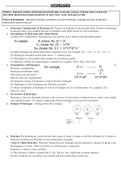
1. Electronic Configuration of Hydrogen 1s1 Position of hydrogen in the periodic table: Position of hydrogen
in periodic table is not justified because it resembles both alkali metals as well as halogens.
2. Resemblance of Hydrogen with Alkali Metals
(i) Electronic Configuration: Hydrogen has one electron in its valence shell like alkali metals.
(ii) Both hydrogen and alkali metals form unipositive ions. For example, Na → Na+ + e– H → H+ + e–
(iii) Hydrogen and alkali metals both shows +1 oxidation state.
(iv) Hydrogen as well as other alkali metals acts as reducing agents.
(v) Both have affinity for electronegative element For example, Na2O, NaCl, H2O, HCl.
3. Resemblance with Halogens (i)
Electronic configuration:
Hydrogen and halogen family
both require one electron to
fulfil the inert gas configuration
(ii) Ionisation energy of hydrogen is almost similar to halogens.
(iii) Hydrogen as well as halogens are Diatomic in nature.
(iv) Many compounds of hydrogen as well as of halogens are of covalent nature. For example, CH4,
SiH4CCl4, SiCl4
4. Occurrence of Hydrogen
Hydrogen is the most abundant element in the universe. It is present in combined state as water, coal, animal
and vegetable matter. All organic compounds contain hydrogen as an essential constituent.
5. Isotopes of Hydrogen : Hydrogen has three isotopes.
6. Hydrides The hydrides are classified into three types: (i) Ionic or saline or salt like hydrides (ii) Covalent or
molecular hydrides (iii) Metallic or non-stoichiometric hydrides.
• Ionic or Saline Hydrides : Hydrides formed between hydrogen and electropositive element of group I and
II belonging to s-block. These are known as stoichiometric compounds.
Properties of saline or ionic hydrides:
(i) The hydrides of lighter elements like Li, Be, Mg etc. have significant covalent character.
(ii) Ionic hydrides are crystalline, non-volatile and non-conducting in solid state.
Syllabus : hydrogen: position of hydrogen in periodic table, occurrence, isotopes, hydrides-ionic covalent and
Interstitial; physical and chemical properties of water, heavy water, hydrogen as a fuel
Portion to be Reduced : Hydrogen Preparation, properties and uses of hydrogen, hydrogen peroxide -preparation,
reactionsand structure and use;
1. Electronic Configuration of Hydrogen 1s1 Position of hydrogen in the periodic table: Position of hydrogen
in periodic table is not justified because it resembles both alkali metals as well as halogens.
2. Resemblance of Hydrogen with Alkali Metals
(i) Electronic Configuration: Hydrogen has one electron in its valence shell like alkali metals.
(ii) Both hydrogen and alkali metals form unipositive ions. For example, Na → Na+ + e– H → H+ + e–
(iii) Hydrogen and alkali metals both shows +1 oxidation state.
(iv) Hydrogen as well as other alkali metals acts as reducing agents.
(v) Both have affinity for electronegative element For example, Na2O, NaCl, H2O, HCl.
3. Resemblance with Halogens (i)
Electronic configuration:
Hydrogen and halogen family
both require one electron to
fulfil the inert gas configuration
(ii) Ionisation energy of hydrogen is almost similar to halogens.
(iii) Hydrogen as well as halogens are Diatomic in nature.
(iv) Many compounds of hydrogen as well as of halogens are of covalent nature. For example, CH4,
SiH4CCl4, SiCl4
4. Occurrence of Hydrogen
Hydrogen is the most abundant element in the universe. It is present in combined state as water, coal, animal
and vegetable matter. All organic compounds contain hydrogen as an essential constituent.
5. Isotopes of Hydrogen : Hydrogen has three isotopes.
6. Hydrides The hydrides are classified into three types: (i) Ionic or saline or salt like hydrides (ii) Covalent or
molecular hydrides (iii) Metallic or non-stoichiometric hydrides.
• Ionic or Saline Hydrides : Hydrides formed between hydrogen and electropositive element of group I and
II belonging to s-block. These are known as stoichiometric compounds.
Properties of saline or ionic hydrides:
(i) The hydrides of lighter elements like Li, Be, Mg etc. have significant covalent character.
(ii) Ionic hydrides are crystalline, non-volatile and non-conducting in solid state.

