Page 1 of 1410/20/2026https://www.stuvia.com/user/????????????????????"OP@)(@)(*#@(#*@#&*$^&)(*@)$*$(&(Y&*&%Y&*(@)&$(&%*&%*&(&%@&*($#(*&98oMicrobiology
Page 1 of 1410/20/2026https://www.stuvia.com/user/????????????????????"OP@)(@)(*#@(#*@#&*$^&)(*@)$*$(&(Y&*&%Y&*(@)&$(&%*&%*&(&%@&*($#(*&98oMicrobiology
Page 1 of 1410/20/2026https://www.stuvia.com/user/????????????????????"OP@)(@)(*#@(#*@#&*$^&)(*@)$*$(&(Y&*&%Y&*(@)&$(&%*&%*&(&%@&*($#(*&98oMicrobiology
Exam 1_ Microbes, Cell Structures, Exam
and Disease.pdf10/20/2026,
1_ Microbes, Cell Structures,
4:09:33Exam
and
AMDisease.pdf10/20/2026,
1_ Microbes, Cell Structures,
4:09:33and
AMDisease.pdf10/20/2026, 4:09:33 AM
3 Mitochondria 4 Seminiferous Tubules
Don't know?
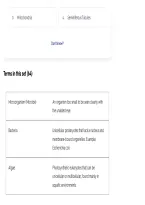
Terms in this set (64)
Microorganism (Microbe) An organism too small to be seen clearly with
the unaided eye.
Bacteria Unicellular prokaryotes that lack a nucleus and
membrane-bound organelles. Example:
Escherichia coli.
Algae Photosynthetic eukaryotes that can be
unicellular or multicellular, found mainly in
aquatic environments.
Microbiology Exam 1_ Microbes, Cell
Page
Structures,
1 of 1410/20/2026https://www.stuvia.com/user/????????????????????"OP@)(@)(*#@(#*@#&*$^&)(*@)$*$(&(Y&*&%Y&*(@)&$(&%*&%*&(&%@&*($#(*&98oMicrobiology
and Disease.pdfPage 1
Page
of 1410/20/2026https://www.stuvia.com/user/????????????????????"OP@)(@)(*#@(#*@#&*$^&)(*@)$*$(&(Y&*&%Y&*(@)&$(&%*&%*&(&%@&*($#(*&98oMicrobiology
1 of 1410/20/2026https://www.stuvia.com/user/????????????????????"OP@)(@)(*#@(#*@#&*$^&)(*@)$*$(&(Y&*&%Y&*(@)&$(&%*&%*&(&%@&*($#(*&98oMicrobiology
Exam 1_ Microbes, Cell Structures,
Exam Exam
and
1_ Microbes,
Disease.pdf10/20/2026,
1_ Microbes,
Cell Structures,
Cell Structures,
4:09:33
and Disease.pdf10/20/2026,
and
AMDisease.pdf10/20/2026,
4:09:33
4:09:33
AM AM
, Page 2 of 1410/20/2026https://www.stuvia.com/user/????????????????????"OP@)(@)(*#@(#*@#&*$^&)(*@)$*$(&(Y&*&%Y&*(@)&$(&%*&%*&(&%@&*($#(*&98oMicrobiology
Page 2 of 1410/20/2026https://www.stuvia.com/user/????????????????????"OP@)(@)(*#@(#*@#&*$^&)(*@)$*$(&(Y&*&%Y&*(@)&$(&%*&%*&(&%@&*($#(*&98oMicrobiology
Page 2 of 1410/20/2026https://www.stuvia.com/user/????????????????????"OP@)(@)(*#@(#*@#&*$^&)(*@)$*$(&(Y&*&%Y&*(@)&$(&%*&%*&(&%@&*($#(*&98oMicrobiology
Exam 1_ Microbes, Cell Structures, Exam
and Disease.pdf10/20/2026,
1_ Microbes, Cell Structures,
4:09:33Exam
and
AMDisease.pdf10/20/2026,
1_ Microbes, Cell Structures,
4:09:33and
AMDisease.pdf10/20/2026, 4:09:33 AM
Helminths Parasitic worms that are multicellular eukaryotes.
Examples include roundworms and flatworms.
Fungi Eukaryotes that absorb nutrients from their
environment, including yeasts (unicellular) and
molds (multicellular). Example: Candida albicans.
Protozoa Unicellular eukaryotes that are often motile.
Example: Giardia.
Prions Infectious misfolded proteins that are
noncellular and nonliving.
Viruses Acellular infectious particles that require host
cells to reproduce.
Unicellular Made of one cell.
Microbiology Exam 1_ Microbes, Cell
Page
Structures,
2 of 1410/20/2026https://www.stuvia.com/user/????????????????????"OP@)(@)(*#@(#*@#&*$^&)(*@)$*$(&(Y&*&%Y&*(@)&$(&%*&%*&(&%@&*($#(*&98oMicrobiology
and Disease.pdfPage 2
Page
of 1410/20/2026https://www.stuvia.com/user/????????????????????"OP@)(@)(*#@(#*@#&*$^&)(*@)$*$(&(Y&*&%Y&*(@)&$(&%*&%*&(&%@&*($#(*&98oMicrobiology
2 of 1410/20/2026https://www.stuvia.com/user/????????????????????"OP@)(@)(*#@(#*@#&*$^&)(*@)$*$(&(Y&*&%Y&*(@)&$(&%*&%*&(&%@&*($#(*&98oMicrobiology
Exam 1_ Microbes, Cell Structures,
Exam Exam
and
1_ Microbes,
Disease.pdf10/20/2026,
1_ Microbes,
Cell Structures,
Cell Structures,
4:09:33
and Disease.pdf10/20/2026,
and
AMDisease.pdf10/20/2026,
4:09:33
4:09:33
AM AM
Page 1 of 1410/20/2026https://www.stuvia.com/user/????????????????????"OP@)(@)(*#@(#*@#&*$^&)(*@)$*$(&(Y&*&%Y&*(@)&$(&%*&%*&(&%@&*($#(*&98oMicrobiology
Page 1 of 1410/20/2026https://www.stuvia.com/user/????????????????????"OP@)(@)(*#@(#*@#&*$^&)(*@)$*$(&(Y&*&%Y&*(@)&$(&%*&%*&(&%@&*($#(*&98oMicrobiology
Exam 1_ Microbes, Cell Structures, Exam
and Disease.pdf10/20/2026,
1_ Microbes, Cell Structures,
4:09:33Exam
and
AMDisease.pdf10/20/2026,
1_ Microbes, Cell Structures,
4:09:33and
AMDisease.pdf10/20/2026, 4:09:33 AM
3 Mitochondria 4 Seminiferous Tubules
Don't know?
Terms in this set (64)
Microorganism (Microbe) An organism too small to be seen clearly with
the unaided eye.
Bacteria Unicellular prokaryotes that lack a nucleus and
membrane-bound organelles. Example:
Escherichia coli.
Algae Photosynthetic eukaryotes that can be
unicellular or multicellular, found mainly in
aquatic environments.
Microbiology Exam 1_ Microbes, Cell
Page
Structures,
1 of 1410/20/2026https://www.stuvia.com/user/????????????????????"OP@)(@)(*#@(#*@#&*$^&)(*@)$*$(&(Y&*&%Y&*(@)&$(&%*&%*&(&%@&*($#(*&98oMicrobiology
and Disease.pdfPage 1
Page
of 1410/20/2026https://www.stuvia.com/user/????????????????????"OP@)(@)(*#@(#*@#&*$^&)(*@)$*$(&(Y&*&%Y&*(@)&$(&%*&%*&(&%@&*($#(*&98oMicrobiology
1 of 1410/20/2026https://www.stuvia.com/user/????????????????????"OP@)(@)(*#@(#*@#&*$^&)(*@)$*$(&(Y&*&%Y&*(@)&$(&%*&%*&(&%@&*($#(*&98oMicrobiology
Exam 1_ Microbes, Cell Structures,
Exam Exam
and
1_ Microbes,
Disease.pdf10/20/2026,
1_ Microbes,
Cell Structures,
Cell Structures,
4:09:33
and Disease.pdf10/20/2026,
and
AMDisease.pdf10/20/2026,
4:09:33
4:09:33
AM AM
, Page 2 of 1410/20/2026https://www.stuvia.com/user/????????????????????"OP@)(@)(*#@(#*@#&*$^&)(*@)$*$(&(Y&*&%Y&*(@)&$(&%*&%*&(&%@&*($#(*&98oMicrobiology
Page 2 of 1410/20/2026https://www.stuvia.com/user/????????????????????"OP@)(@)(*#@(#*@#&*$^&)(*@)$*$(&(Y&*&%Y&*(@)&$(&%*&%*&(&%@&*($#(*&98oMicrobiology
Page 2 of 1410/20/2026https://www.stuvia.com/user/????????????????????"OP@)(@)(*#@(#*@#&*$^&)(*@)$*$(&(Y&*&%Y&*(@)&$(&%*&%*&(&%@&*($#(*&98oMicrobiology
Exam 1_ Microbes, Cell Structures, Exam
and Disease.pdf10/20/2026,
1_ Microbes, Cell Structures,
4:09:33Exam
and
AMDisease.pdf10/20/2026,
1_ Microbes, Cell Structures,
4:09:33and
AMDisease.pdf10/20/2026, 4:09:33 AM
Helminths Parasitic worms that are multicellular eukaryotes.
Examples include roundworms and flatworms.
Fungi Eukaryotes that absorb nutrients from their
environment, including yeasts (unicellular) and
molds (multicellular). Example: Candida albicans.
Protozoa Unicellular eukaryotes that are often motile.
Example: Giardia.
Prions Infectious misfolded proteins that are
noncellular and nonliving.
Viruses Acellular infectious particles that require host
cells to reproduce.
Unicellular Made of one cell.
Microbiology Exam 1_ Microbes, Cell
Page
Structures,
2 of 1410/20/2026https://www.stuvia.com/user/????????????????????"OP@)(@)(*#@(#*@#&*$^&)(*@)$*$(&(Y&*&%Y&*(@)&$(&%*&%*&(&%@&*($#(*&98oMicrobiology
and Disease.pdfPage 2
Page
of 1410/20/2026https://www.stuvia.com/user/????????????????????"OP@)(@)(*#@(#*@#&*$^&)(*@)$*$(&(Y&*&%Y&*(@)&$(&%*&%*&(&%@&*($#(*&98oMicrobiology
2 of 1410/20/2026https://www.stuvia.com/user/????????????????????"OP@)(@)(*#@(#*@#&*$^&)(*@)$*$(&(Y&*&%Y&*(@)&$(&%*&%*&(&%@&*($#(*&98oMicrobiology
Exam 1_ Microbes, Cell Structures,
Exam Exam
and
1_ Microbes,
Disease.pdf10/20/2026,
1_ Microbes,
Cell Structures,
Cell Structures,
4:09:33
and Disease.pdf10/20/2026,
and
AMDisease.pdf10/20/2026,
4:09:33
4:09:33
AM AM