
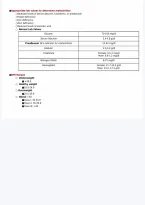
●Appropriate lab values to determine malnutrition
○Reduced levels of serum albumin, transferrin, or prealbumin
○Folate deficiency
○Iron deficiency
○Zinc deficiency
○Reduced levels of ascorbic acid
○ Normal Lab Values
Glucose 70-100 mg/dl
Serum Albumin 3.4-4.8 g/dl
Prealbumin (#1 indicator for malnutrition) 12-42 mg/dl
Globulin 2.3-3.4 g/dl
Creatinine Female: 0.5-1 mg/dl
Male: 0.6-1.2 mg/dl
Nitrogen (BUN) 8-21 mg/dl
Hemoglobin Female: 11.7-15.5 g/dl
Male: 13.2- 17.3 g/dl
●BMI Ranges
○ Underweight
■ <18.5
○ Healthy weight
■18.5-24.9
○ Overweight
■25.0-29.9
○ Obese >30
■Class I: 30-34.9
■Class II: 35-39.9
■Class III: >40
,●What types of food to include in mechanical soft diet
○Mechanical Soft Diet
■This diet is used for people with chewing difÏculties resulting from missing teeth, jaw problems, or
extensive fatigue
○What types of foods would be appropriate
■Add to the full liquid diet: soft vegetables and fruits, chopped, ground, or shredded meat, and breads,
pastries, eggs and cheese
○Will be given examples of meals and will have to know which one to give
■When answering this question, think about what will be the easiest for a patient to chew.
●Malnourishment in a Patient (physical objective findings)
○ Physical Signs
■N/V/D
●Nausea, Vomiting, Diarrhea
■Weight loss
■Abdominal enlargement
■Poor posture
■Weakness, fatigue
■Protrusions in bony areas
■Enlarged thyroid
■Dry dull eyes
■Poor dental health
■Dry, scaly skin
■Dry, brittle nails and hair/ hair loss
■Spleen/Liver enlargement
■Mental status changes
■Flaccid muscles
○ Objective findings
■Lab values
●Prealbumin is the best indicator for a patient who is malnourished
●Expected findings in older adults in regards to Nutritional Status
○Loss of interest in eating
○Decreased sensation of thirst
, ○May need diets low in salt, simple sugars, or fat
○Taste and smell diminishes (find certain diets unappealing)
○Diminished vision or hearing, limited mobility and interaction which make it difÏcult to purchase or prepare
foods
○Tooth loss and gum disease limit chewing ability which causes older adults to eat only soft foods
○Arthritic hands make it difÏcult to prepare or eat food
○Physical problems
■Gastroesophageal reflux
■Decreased gastric secretions
■Decreased intestinal peristalsis
■Glucose intolerance
○Older adults require smaller quantities of most foods. They need fiber and plenty of fluid to prevent constipation
and dehydration
●Foods that you might include in a low cholesterol diet
○ Include foods that increase HDL (good cholesterol)
■Limit intake of whole milk dairy products, fatty meats, tropical oils, partially hydrogenated vegetable oils,
■Include a variety of fruits and vegetables
■Eat a variety of grain products: include whole grains
■Eat fish, particularly fatty fish, at least twice a week
■Include fat-free and low-fat milk products and legumes
■Choose skinless poultry and lean meats
■Choose fats and oils with 2g or less saturated fats per tablespoon (liquid and tub margarines, canola oil)
○ Avoid foods that are high in cholesterol such as
■Meats
■Eggs
■Dairy products
■Organ meats (heart, liver)
■Fish
■Poultry
●What should be and what should not be included in a diabetic diet
○For a diabetic diet, it is important to lower the intake of simple sugars and increase intake of complex sugars.
○ Glucose Intolerance

