
nursing assessment harvey exam 3.1
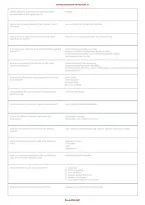
genetic attributes of dark-skinned individuals afford melanin
protection against skin cancer due to?
there is an increased likelihood of skin cancer in which more in whites than in black and hispanics
individuals?
what is the most important environmental risk factor exposure to UV radiation from sun and indoor tanning
regarding skin cancer?
in an aging adult, what are some normal findings regarding loss of elasticity (skinfolds and sags)
their skin? decrease in sweat and sebaceous glands (dry skin)
senile purpura (discloration due to increasing capillary fragility)
skin breakdown and fine hair
what are some things to do and look for with a skin outer surfaces first, than underlying
physical assessment? separate intertriginous areas (skinfolds)
moisture, texture, thickness, edema, mobility/turgor, vascularity/bruising, assess for
tattoos/variations
what are the different skin color changes that should be pallor (pale)
noted if found? erythema (red)
cyanosis (blue)
jaundiuce (yellow)
when palpating skin and temperature, what technique back of hands (dorsal)
should you use?
how should skin be normally in regard to temperature? warm (equal temperature bilaterally)
what is the difference between diaphoresis and diaphoresis: sweating
dehydration? dehydration: lack of water in the body
what are some characteristics to assess if lesion is color, elevation, pattern/shape, size, location, exudate (use a wood's light!)
present?
when inspecting and palpating nails, what should you shape and contour
note? consistency
color
capillary refill
when you are assessing capillary refill, and blanching status of peripheral circulation
nails, the color return indicates what?
what is ABCDEF rule for skin assessment? A: asymmetry
B: border irregularity
C: color variations
D: diameter greater than 6 mm
E: elevation or evolution
F: funny looking (different from others)
what are some life-cycle presentations of skin? decreased hair/nail growth, and brittle nails
Stuvia 2026-2027
, nursing assessment harvey exam 3.1
what is the term for lesions that begin in center and annular or circular
spreads to periphery?
what is the term for lesions that run together? confluent
what is the term for lesions that are distinct and separate? discrete
what is the term for lesions that clustered? grouped
what is the term for lesions that are twisted, coiled, and gyrate
snakelike?
what is the term for lesions that resembles iris of eyes or target or iris
rings?
what is the name for lesions that look like a scratch or line? linear
what is the name for annular lesions that grow together? polycyclic
what is the name for the linear arragement following zosteriform
unilateral nerve route?
what is the difference between macules and a patch? macule: solely a color change, flat and circumscribed (less than 1 cm)
patch: macules that are larger than 1 cm
what is the difference between papules and plaques? papules: felt and caused by superficial thickening of the epidermis
plaques: papules coalescing to form surface elevation wider than 1 cm
what is a nodule? solid, elevated, hard or soft, greater than 1 cm that may extend deeper into dermis
than papule
what is a tumor? larger in diameter, firm or soft, deeper into dermis, may be benign or malignant
what is a cyst? encapsulated fluid filled cavity
what are wheals? superficial, raised, transient and erythematous, irregular in shape due to edema
Stuvia 2026-2027
genetic attributes of dark-skinned individuals afford melanin
protection against skin cancer due to?
there is an increased likelihood of skin cancer in which more in whites than in black and hispanics
individuals?
what is the most important environmental risk factor exposure to UV radiation from sun and indoor tanning
regarding skin cancer?
in an aging adult, what are some normal findings regarding loss of elasticity (skinfolds and sags)
their skin? decrease in sweat and sebaceous glands (dry skin)
senile purpura (discloration due to increasing capillary fragility)
skin breakdown and fine hair
what are some things to do and look for with a skin outer surfaces first, than underlying
physical assessment? separate intertriginous areas (skinfolds)
moisture, texture, thickness, edema, mobility/turgor, vascularity/bruising, assess for
tattoos/variations
what are the different skin color changes that should be pallor (pale)
noted if found? erythema (red)
cyanosis (blue)
jaundiuce (yellow)
when palpating skin and temperature, what technique back of hands (dorsal)
should you use?
how should skin be normally in regard to temperature? warm (equal temperature bilaterally)
what is the difference between diaphoresis and diaphoresis: sweating
dehydration? dehydration: lack of water in the body
what are some characteristics to assess if lesion is color, elevation, pattern/shape, size, location, exudate (use a wood's light!)
present?
when inspecting and palpating nails, what should you shape and contour
note? consistency
color
capillary refill
when you are assessing capillary refill, and blanching status of peripheral circulation
nails, the color return indicates what?
what is ABCDEF rule for skin assessment? A: asymmetry
B: border irregularity
C: color variations
D: diameter greater than 6 mm
E: elevation or evolution
F: funny looking (different from others)
what are some life-cycle presentations of skin? decreased hair/nail growth, and brittle nails
Stuvia 2026-2027
, nursing assessment harvey exam 3.1
what is the term for lesions that begin in center and annular or circular
spreads to periphery?
what is the term for lesions that run together? confluent
what is the term for lesions that are distinct and separate? discrete
what is the term for lesions that clustered? grouped
what is the term for lesions that are twisted, coiled, and gyrate
snakelike?
what is the term for lesions that resembles iris of eyes or target or iris
rings?
what is the name for lesions that look like a scratch or line? linear
what is the name for annular lesions that grow together? polycyclic
what is the name for the linear arragement following zosteriform
unilateral nerve route?
what is the difference between macules and a patch? macule: solely a color change, flat and circumscribed (less than 1 cm)
patch: macules that are larger than 1 cm
what is the difference between papules and plaques? papules: felt and caused by superficial thickening of the epidermis
plaques: papules coalescing to form surface elevation wider than 1 cm
what is a nodule? solid, elevated, hard or soft, greater than 1 cm that may extend deeper into dermis
than papule
what is a tumor? larger in diameter, firm or soft, deeper into dermis, may be benign or malignant
what is a cyst? encapsulated fluid filled cavity
what are wheals? superficial, raised, transient and erythematous, irregular in shape due to edema
Stuvia 2026-2027

