
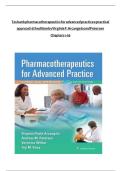
Tes bank pharmacotherapeutics for advanced practice a practical
JY1 Y1 Y1 Y1 Y1 Y1 Y1 Y1
approach 5th edition by Virginia P. Arcangelo and Peterson
Y1 Y1 Y1 Y1 Y1 Y1 Y1 Y1 Y1
Chapters 1-56
Y1
,Y1 Y1 Y1
Y 1 TABLE OF CONTENT Y 1 Y1
Chapter 1: Issues for the Practitioner in Drug Therapy
Y1 Y1 Y1 Y1 Y1 Y1 Y1 Y1
Chapter 2: Pharmacokinetic Basis of Therapeutics and Pharmacodynamic Principles
Y1 Y1 Y1 Y1 Y1 Y1 Y1 Y1
Chapter 3: Impac of Drug Interactions and Adverse Events on Therapeutics
Y1 Y1 JY1 Y1 Y1 Y1 Y1 Y 1 Y1 Y1
Chapter 4: Principles of Pharmacotherapy in Pediatrics, Pregnancy and Lactation
Y1 Y1 Y1 Y1 Y1 Y1 Y1 Y1 Y1
Chapter 5: Pharmacotherapy Principles in Older Adults
Y1 Y1 Y1 Y1 Y1 Y1
Chapter 6: Principles of Antimicrobial Therapy
Y1 Y1 Y1 Y1 Y1
Chapter 7: Pharmacogenomics
Y1 Y1 Y1
Chapter 8: The Economics of Pharmacotherapeutics
Y1 Y1 Y1 Y1 Y1
Chapter 9: Principles of Pharmacology in Pain Management
Y1 Y1 Y1 Y1 Y1 Y1 Y1
Chapter 10: Pain Managemen in Opioid Use Disorder (OUD) Patients
Y1 Y1 Y1 J Y1 Y1 Y1 Y1 Y1 Y1
Chapter 11: Cannabis and Pain Management
Y1 Y1 Y1 Y1 Y1
Chapter 12: Dermatitis
Y1 Y1
Chapter 13: Bacterial, Fungal, and Viral Infections of the Skin
Y1 Y1 Y1 Y1 Y1 Y1 Y1 Y1 Y1 Y1
Chapter 14: Psoriasis
Y1 Y1
Chapter 15: Acne Vulgaris and Rosacea
Y1 Y1 Y1 Y1 Y1
Chapter 16: Ophthalmic Disorders
Y1 Y1 Y1
Chapter 17: Otitis Media and Otitis Externa
Y1 Y1 Y1 Y1 Y1 Y1
Chapter 18: Hypertension
Y1 Y1
Chapter 19: Hyperlipidemia
Y1 Y1
Chapter 20: Chronic Stable Angina and Myocardial Infarction
Y1 Y1 Y1 Y 1 Y1 Y1 Y1
Chapter 21: Hear Failure
Y1 Y1 J Y1
Chapter 22: Arrhythmias
Y1 Y1
Chapter 23: Respiratory Infections
Y1 Y1 Y1
Chapter 24: Asthma and Chronic Obstructive Pulmonary Disease
Y1 Y1 Y1 Y1 Y1 Y1 Y1
Chapter 25: Gastric, Functional and Inflammatory Bowel Disorders
Y1 Y1 Y1 Y1 Y1 Y1 Y1 Y1
Chapter 26: Gastroesophageal Reflux Disease and Peptic Ulcer Disease
Y1 Y1 Y1 Y1 Y1 Y1 Y1 Y1
Chapter 27: Liver Diseases
Y1 Y1 Y1
, Chapter 28: Urinary Trac Infection
Y1 Y1 Y1 Y1 JY1
Chapter 29: Prostatic Disorders and Erectile Dysfunction
Y1 Y1 Y1 Y1 Y1 Y1 Y1
Chapter 30: Overactive Bladder
Y1 Y1 Y1
Chapter 31: Sexually Transmitted Infections
Y1 Y1 Y1 Y1
Chapter 32: Osteoarthritis and Gout
Y1 Y1 Y1 Y1
Chapter 33: Osteoporosis
Y1 Y1
Chapter 34: Rheumatoid Arthritis
Y1 Y1 Y1
Chapter 35: Headaches
Y1 Y1
Chapter 36: Seizure Disorders
Y1 Y1 Y1
Chapter 37: Alzheimer’s Disease
Y1 Y1 Y1
Chapter 38: Parkinson Disease
Y1 Y1 Y1
Chapter 39: Major Depressive Disorder and Bipolar Disorders
Y1 Y1 Y1 Y1 Y 1 Y1 Y1
Chapter 40: Anxiety Disorders
Y1 Y1 Y1
Chapter 41: Sleep Disorders
Y1 Y1 Y1
Chapter 42: Attention Defici Hyperactivity Disorder
Y1 Y1 Y1 JY1 Y1
Chapter 43: Substance Use Disorders
Y1 Y1 Y1 Y1
Chapter 44: Diabetes Mellitus
Y1 Y1 Y1
Chapter 45: Thyroid and Parathyroid Disorders
Y1 Y1 Y1 Y1 Y1
Chapter 46: Allergies and Allergic Reactions
Y1 Y1 Y1 Y1 Y1
Chapter 47: Human Immunodeficiency Virus
Y1 Y1 Y1 Y 1
Chapter 48: Organ Transplantation
Y1 Y1 Y1
Chapter 49: Pharmacotherapy for Selec Thromboembolic Disorders
Y1 Y1 Y1 Y1 J Y1 Y1
Chapter 50: Anemias
Y1 Y1
Chapter 51: Immunizations
Y1 Y1
Chapter 52: Smoking Cessation
Y1 Y1 Y1
Chapter 53: Weigh Loss
Y1 Y1 JY1
Chapter 54: Contraception
Y1 Y1
Chapter 55: Menopause
Y1 Y1
Chapter 56: Vaginitis
Y1 Y1
, Chapter 1 Issues for the Practitioner in Drug Therapy
Y1 Y1 Y1 Y1 Y1 Y1 Y1 Y1
MULTIPLE CHOICE Y1
1. Nurse practitioner prescriptive authority is regulated by:
JY1 JY1 JY1 JY1 JY1 JY1
A. The National Council of State Boards of Nursing
JY1 JY1 JY1 JY1 JY1 JY1 JY1
B. The U.S. Drug Enforcement Administration
JY1 JY1 JY1 JY1
C. The State Board of Nursing for each state
JY1 JY1 JY1 JY1 JY1 JY1 JY1
D. The State Board of Pharmacy
JY1 JY1 JY1 JY1
Answer: J Y 1 C PTS: J Y 1 J Y 1 1
2. Physician Assistant (PA) prescriptive authority is regulated by:
JY1 JY1 JY1 JY1 JY1 JY1 JY1
A. The National Council of State Boards of Nursing
JY1 JY1 JY1 JY1 JY1 JY1 JY1
B. The U.S. Drug Enforcement Administration
JY1 JY1 JY1 JY1
C. The State Board of Nursing
JY1 JY1 JY1 JY1
D. The State Board of Medical Examiners
JY1 JY1 JY1 JY1 JY1
Answer: J Y 1 D PTS: J Y 1 J Y 1 1
3. Clinical judgment in prescribing includes:
JY1 JY1 JY1 JY1
A. Factoring in the cost to the patient of the medication prescribed JY1 JY1 JY1 JY1 JY1 JY1 JY1 JY1 JY1 JY1
B. Always prescribing the newest medication available for the disease process
JY1 JY1 JY1 JY1 JY1 JY1 JY1 JY1 JY1
C. Handing out drug samples to poor patients JY1 JY1 JY1 JY1 JY1 JY1
D. Prescribing all generic medications to cut costs JY1 JY1 JY1 JY1 JY1 JY1
Answer: J Y 1 A PTS: J Y 1 J Y 1 1
4. Criteria for choosing an effective drug for a disorder include:
JY1 JY1 JY1 JY1 JY1 JY1 JY1 JY1 JY1
A. Asking the patient what drug they think would work best for them
JY1 JY1 JY1 JY1 JY1 JY1 JY1 JY1 JY1 JY1 JY1
B. Consulting nationally recognized guidelines for disease management JY1 JY1 JY1 JY1 JY1 JY1
C. Prescribing medications that are available as samples before writing a prescription JY1 JY1 JY1 JY1 JY1 JY1 JY1 JY1 JY1 JY1
D. Following U.S. Drug Enforcement Administration (DEA) guidelines for JY1 JY1 JY1 JY1 JY1 JY1 JY1 JY1
prescribing
Answer: J Y 1 B PTS: J Y 1 J Y 1 1
5. Nurse practitioner practice may thrive under health-care reform due to:
JY1 JY1 JY1 JY1 JY1 JY1 JY1 JY1 JY1
A. The demonstrated ability of nurse practitioners to control costs and improve patient
JY1 JY1 JY1 JY1 JY1 JY1 JY1 JY1 JY1 JY1 JY1 JY1
outcomes
B. The fact that nurse practitioners will be able to practice independently
JY1 JY1 JY1 JY1 JY1 JY1 JY1 JY1 JY1 JY1
C. The fact that nurse practitioners will have full reimbursement under health-care
JY1 JY1 JY1 JY1 JY1 JY1 JY1 JY1 JY1 JY1 JY1
reform
D. The ability to shift accountability for Medicaid to the state level
JY1 JY1 JY1 JY1 JY1 JY1 JY1 JY1 JY1 JY1
Answer: J Y 1 A PTS: J Y 1 J Y 1 1
JY1 Y1 Y1 Y1 Y1 Y1 Y1 Y1
approach 5th edition by Virginia P. Arcangelo and Peterson
Y1 Y1 Y1 Y1 Y1 Y1 Y1 Y1 Y1
Chapters 1-56
Y1
,Y1 Y1 Y1
Y 1 TABLE OF CONTENT Y 1 Y1
Chapter 1: Issues for the Practitioner in Drug Therapy
Y1 Y1 Y1 Y1 Y1 Y1 Y1 Y1
Chapter 2: Pharmacokinetic Basis of Therapeutics and Pharmacodynamic Principles
Y1 Y1 Y1 Y1 Y1 Y1 Y1 Y1
Chapter 3: Impac of Drug Interactions and Adverse Events on Therapeutics
Y1 Y1 JY1 Y1 Y1 Y1 Y1 Y 1 Y1 Y1
Chapter 4: Principles of Pharmacotherapy in Pediatrics, Pregnancy and Lactation
Y1 Y1 Y1 Y1 Y1 Y1 Y1 Y1 Y1
Chapter 5: Pharmacotherapy Principles in Older Adults
Y1 Y1 Y1 Y1 Y1 Y1
Chapter 6: Principles of Antimicrobial Therapy
Y1 Y1 Y1 Y1 Y1
Chapter 7: Pharmacogenomics
Y1 Y1 Y1
Chapter 8: The Economics of Pharmacotherapeutics
Y1 Y1 Y1 Y1 Y1
Chapter 9: Principles of Pharmacology in Pain Management
Y1 Y1 Y1 Y1 Y1 Y1 Y1
Chapter 10: Pain Managemen in Opioid Use Disorder (OUD) Patients
Y1 Y1 Y1 J Y1 Y1 Y1 Y1 Y1 Y1
Chapter 11: Cannabis and Pain Management
Y1 Y1 Y1 Y1 Y1
Chapter 12: Dermatitis
Y1 Y1
Chapter 13: Bacterial, Fungal, and Viral Infections of the Skin
Y1 Y1 Y1 Y1 Y1 Y1 Y1 Y1 Y1 Y1
Chapter 14: Psoriasis
Y1 Y1
Chapter 15: Acne Vulgaris and Rosacea
Y1 Y1 Y1 Y1 Y1
Chapter 16: Ophthalmic Disorders
Y1 Y1 Y1
Chapter 17: Otitis Media and Otitis Externa
Y1 Y1 Y1 Y1 Y1 Y1
Chapter 18: Hypertension
Y1 Y1
Chapter 19: Hyperlipidemia
Y1 Y1
Chapter 20: Chronic Stable Angina and Myocardial Infarction
Y1 Y1 Y1 Y 1 Y1 Y1 Y1
Chapter 21: Hear Failure
Y1 Y1 J Y1
Chapter 22: Arrhythmias
Y1 Y1
Chapter 23: Respiratory Infections
Y1 Y1 Y1
Chapter 24: Asthma and Chronic Obstructive Pulmonary Disease
Y1 Y1 Y1 Y1 Y1 Y1 Y1
Chapter 25: Gastric, Functional and Inflammatory Bowel Disorders
Y1 Y1 Y1 Y1 Y1 Y1 Y1 Y1
Chapter 26: Gastroesophageal Reflux Disease and Peptic Ulcer Disease
Y1 Y1 Y1 Y1 Y1 Y1 Y1 Y1
Chapter 27: Liver Diseases
Y1 Y1 Y1
, Chapter 28: Urinary Trac Infection
Y1 Y1 Y1 Y1 JY1
Chapter 29: Prostatic Disorders and Erectile Dysfunction
Y1 Y1 Y1 Y1 Y1 Y1 Y1
Chapter 30: Overactive Bladder
Y1 Y1 Y1
Chapter 31: Sexually Transmitted Infections
Y1 Y1 Y1 Y1
Chapter 32: Osteoarthritis and Gout
Y1 Y1 Y1 Y1
Chapter 33: Osteoporosis
Y1 Y1
Chapter 34: Rheumatoid Arthritis
Y1 Y1 Y1
Chapter 35: Headaches
Y1 Y1
Chapter 36: Seizure Disorders
Y1 Y1 Y1
Chapter 37: Alzheimer’s Disease
Y1 Y1 Y1
Chapter 38: Parkinson Disease
Y1 Y1 Y1
Chapter 39: Major Depressive Disorder and Bipolar Disorders
Y1 Y1 Y1 Y1 Y 1 Y1 Y1
Chapter 40: Anxiety Disorders
Y1 Y1 Y1
Chapter 41: Sleep Disorders
Y1 Y1 Y1
Chapter 42: Attention Defici Hyperactivity Disorder
Y1 Y1 Y1 JY1 Y1
Chapter 43: Substance Use Disorders
Y1 Y1 Y1 Y1
Chapter 44: Diabetes Mellitus
Y1 Y1 Y1
Chapter 45: Thyroid and Parathyroid Disorders
Y1 Y1 Y1 Y1 Y1
Chapter 46: Allergies and Allergic Reactions
Y1 Y1 Y1 Y1 Y1
Chapter 47: Human Immunodeficiency Virus
Y1 Y1 Y1 Y 1
Chapter 48: Organ Transplantation
Y1 Y1 Y1
Chapter 49: Pharmacotherapy for Selec Thromboembolic Disorders
Y1 Y1 Y1 Y1 J Y1 Y1
Chapter 50: Anemias
Y1 Y1
Chapter 51: Immunizations
Y1 Y1
Chapter 52: Smoking Cessation
Y1 Y1 Y1
Chapter 53: Weigh Loss
Y1 Y1 JY1
Chapter 54: Contraception
Y1 Y1
Chapter 55: Menopause
Y1 Y1
Chapter 56: Vaginitis
Y1 Y1
, Chapter 1 Issues for the Practitioner in Drug Therapy
Y1 Y1 Y1 Y1 Y1 Y1 Y1 Y1
MULTIPLE CHOICE Y1
1. Nurse practitioner prescriptive authority is regulated by:
JY1 JY1 JY1 JY1 JY1 JY1
A. The National Council of State Boards of Nursing
JY1 JY1 JY1 JY1 JY1 JY1 JY1
B. The U.S. Drug Enforcement Administration
JY1 JY1 JY1 JY1
C. The State Board of Nursing for each state
JY1 JY1 JY1 JY1 JY1 JY1 JY1
D. The State Board of Pharmacy
JY1 JY1 JY1 JY1
Answer: J Y 1 C PTS: J Y 1 J Y 1 1
2. Physician Assistant (PA) prescriptive authority is regulated by:
JY1 JY1 JY1 JY1 JY1 JY1 JY1
A. The National Council of State Boards of Nursing
JY1 JY1 JY1 JY1 JY1 JY1 JY1
B. The U.S. Drug Enforcement Administration
JY1 JY1 JY1 JY1
C. The State Board of Nursing
JY1 JY1 JY1 JY1
D. The State Board of Medical Examiners
JY1 JY1 JY1 JY1 JY1
Answer: J Y 1 D PTS: J Y 1 J Y 1 1
3. Clinical judgment in prescribing includes:
JY1 JY1 JY1 JY1
A. Factoring in the cost to the patient of the medication prescribed JY1 JY1 JY1 JY1 JY1 JY1 JY1 JY1 JY1 JY1
B. Always prescribing the newest medication available for the disease process
JY1 JY1 JY1 JY1 JY1 JY1 JY1 JY1 JY1
C. Handing out drug samples to poor patients JY1 JY1 JY1 JY1 JY1 JY1
D. Prescribing all generic medications to cut costs JY1 JY1 JY1 JY1 JY1 JY1
Answer: J Y 1 A PTS: J Y 1 J Y 1 1
4. Criteria for choosing an effective drug for a disorder include:
JY1 JY1 JY1 JY1 JY1 JY1 JY1 JY1 JY1
A. Asking the patient what drug they think would work best for them
JY1 JY1 JY1 JY1 JY1 JY1 JY1 JY1 JY1 JY1 JY1
B. Consulting nationally recognized guidelines for disease management JY1 JY1 JY1 JY1 JY1 JY1
C. Prescribing medications that are available as samples before writing a prescription JY1 JY1 JY1 JY1 JY1 JY1 JY1 JY1 JY1 JY1
D. Following U.S. Drug Enforcement Administration (DEA) guidelines for JY1 JY1 JY1 JY1 JY1 JY1 JY1 JY1
prescribing
Answer: J Y 1 B PTS: J Y 1 J Y 1 1
5. Nurse practitioner practice may thrive under health-care reform due to:
JY1 JY1 JY1 JY1 JY1 JY1 JY1 JY1 JY1
A. The demonstrated ability of nurse practitioners to control costs and improve patient
JY1 JY1 JY1 JY1 JY1 JY1 JY1 JY1 JY1 JY1 JY1 JY1
outcomes
B. The fact that nurse practitioners will be able to practice independently
JY1 JY1 JY1 JY1 JY1 JY1 JY1 JY1 JY1 JY1
C. The fact that nurse practitioners will have full reimbursement under health-care
JY1 JY1 JY1 JY1 JY1 JY1 JY1 JY1 JY1 JY1 JY1
reform
D. The ability to shift accountability for Medicaid to the state level
JY1 JY1 JY1 JY1 JY1 JY1 JY1 JY1 JY1 JY1
Answer: J Y 1 A PTS: J Y 1 J Y 1 1

