
methods
cal Care Critical
Air
Testmethods
andCare
Scenarios
Critical
Test and Master
Care
Scenarios
Test
Deck.pdf~~~~~~~~~~~~~~~~~~~~~~~~!!!!!!!_(*))))))))))))))))))*@&^#(&^~&*@&*&!~&*@((*~~~~~~~~~~~~~~~~~~~~~~~~~~~~
and
Master
Scenarios
Deck.pdf~~~~~~~~~~~~~~~~~~~~~~~~!!!!!!!_(*))))))))))))))))))*@&^#(&^~&*@&*&!~&*@((*~~~~~~~~~~~~~~~~~~~~~~~~~
Master Deck.pdf~~~~~~~~~~~~~~~~~~~~~~~~!!!!!!!_(*))))))))))))))))))*@&^#(&^~&*@&*&!~&*@((*~~~~~~~~~~~~~~~~
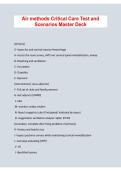
Air methods Critical Care Test and
Scenarios Master Deck
(primary)
X- Assess for and control massive hemorrhage
A- Across the room survey, AVPU w/ cervical spine immobilization, airway
B- Breathing and ventilation
C- Circulation
D- Disability
E- Exposure
(interventions/ resus adjuncts)
F- Full set of vitals and family presence
G- Get adjuncts (LMNO)
L- labs
M- monitor cardiac rhythm
N- Naso/ orogastric tube (if intubated/ indicated by injury)
O- oxygenation ventilation analysis: SpO2, ETCO2
(secondary, complete after fixing problems of primary)
H- History and head to toe
I- Inspect posterior service while maintaining cervical immobilization
J- Just keep evaluating (VIPP)
V- VS
I- Identified injuries
methods
cal Care Critical
Air
Testmethods
andCare
Scenarios
Critical
Test and Master
Care
Scenarios
Test
Deck.pdf~~~~~~~~~~~~~~~~~~~~~~~~!!!!!!!_(*))))))))))))))))))*@&^#(&^~&*@&*&!~&*@((*~~~~~~~~~~~~~~~~~~~~~~~~~~~~
and
Master
Scenarios
Deck.pdf~~~~~~~~~~~~~~~~~~~~~~~~!!!!!!!_(*))))))))))))))))))*@&^#(&^~&*@&*&!~&*@((*~~~~~~~~~~~~~~~~~~~~~~~~~
Master Deck.pdf~~~~~~~~~~~~~~~~~~~~~~~~!!!!!!!_(*))))))))))))))))))*@&^#(&^~&*@&*&!~&*@((*~~~~~~~~~~~~~~~~
,methods
cal Care Critical
Air
Testmethods
andCare
Scenarios
Critical
Test and Master
Care
Scenarios
Test
Deck.pdf~~~~~~~~~~~~~~~~~~~~~~~~!!!!!!!_(*))))))))))))))))))*@&^#(&^~&*@&*&!~&*@((*~~~~~~~~~~~~~~~~~~~~~~~~~~~~
and
Master
Scenarios
Deck.pdf~~~~~~~~~~~~~~~~~~~~~~~~!!!!!!!_(*))))))))))))))))))*@&^#(&^~&*@&*&!~&*@((*~~~~~~~~~~~~~~~~~~~~~~~~~
Master Deck.pdf~~~~~~~~~~~~~~~~~~~~~~~~!!!!!!!_(*))))))))))))))))))*@&^#(&^~&*@&*&!~&*@((*~~~~~~~~~~~~~~~~
P- Primary assessment
P- Pain - ANSWER ✔ XABCDEFGHI
0.5 mg - ANSWER ✔ A patient has sinus bradycardia with a heart rate of 42/min
has diaphoresis and a blood pressure of 80/60 mm Hg. What is the initial dose of
atropine?
1 to 2 L of normal saline - ANSWER ✔ A patient has been resuscitated from
cardiac arrest and is being prepared for transport. She is intubated and is
receiving 100% oxygen. Blood pressure is 80/60 mm Hg. During the resuscitation,
she received 2 doses of epinephrine 1 mg and 1 dose of aminodarone 300 mg IV.
You now observe the above rhythm on the cardiac monitor. The rhythm
abnormality is becoming more frequent and increasing in number. You should
order:
1. Apnea
2. GCS 8 or less
3. Maxillary fractures
4. Evidence of inhalation injury (facial burns)
5. Laryngeal or tracheal injury or neck hematoma
6. High risk of aspiration and patients inability to protect the airway
7. Compromised or ineffective ventilation - ANSWER ✔ Following conditions
might require a definitive airway
1. bony fractures and possible rib fractures, which may impact ventilation
2. palpate for crepitus
3. subcutaneous emphysema which may be a sign for a pneumothorax
methods
cal Care Critical
Air
Testmethods
andCare
Scenarios
Critical
Test and Master
Care
Scenarios
Test
Deck.pdf~~~~~~~~~~~~~~~~~~~~~~~~!!!!!!!_(*))))))))))))))))))*@&^#(&^~&*@&*&!~&*@((*~~~~~~~~~~~~~~~~~~~~~~~~~~~~
and
Master
Scenarios
Deck.pdf~~~~~~~~~~~~~~~~~~~~~~~~!!!!!!!_(*))))))))))))))))))*@&^#(&^~&*@&*&!~&*@((*~~~~~~~~~~~~~~~~~~~~~~~~~
Master Deck.pdf~~~~~~~~~~~~~~~~~~~~~~~~!!!!!!!_(*))))))))))))))))))*@&^#(&^~&*@&*&!~&*@((*~~~~~~~~~~~~~~~~
,methods
cal Care Critical
Air
Testmethods
andCare
Scenarios
Critical
Test and Master
Care
Scenarios
Test
Deck.pdf~~~~~~~~~~~~~~~~~~~~~~~~!!!!!!!_(*))))))))))))))))))*@&^#(&^~&*@&*&!~&*@((*~~~~~~~~~~~~~~~~~~~~~~~~~~~~
and
Master
Scenarios
Deck.pdf~~~~~~~~~~~~~~~~~~~~~~~~!!!!!!!_(*))))))))))))))))))*@&^#(&^~&*@&*&!~&*@((*~~~~~~~~~~~~~~~~~~~~~~~~~
Master Deck.pdf~~~~~~~~~~~~~~~~~~~~~~~~!!!!!!!_(*))))))))))))))))))*@&^#(&^~&*@&*&!~&*@((*~~~~~~~~~~~~~~~~
4. soft tissue injury - ANSWER ✔ Palpate the chest for
1. Check the presence of adequate rise and fall of the chest with assisted
ventilation
2. Absence of gurgling on auscultation over the epigastrium
3. Bilateral breath sounds present on auscultation
4. Presence of carbon dioxide (CO2) verified by a CO2 device or monitor -
ANSWER ✔ If the pt has a definitive airway in what should you do?
1. Dyspnea
2. Tachycardia
3. Decreased or absent breath sounds on the injured side
4. CP - ANSWER ✔ Simple Pneumo assessment:
1. equal breath sounds bilaterally at the second intercostal space midclavicular
line and the bases for fifth intercostal space at the axillary line - ANSWER ✔
Auscultate the chest for:
1. Get a CT
2. Consider ABG 's if decreased LOC
3. Consider glucose check - ANSWER ✔ D Interventions
1. open the airway, use jaw thrust
2. insert an oral airway
3. assist ventilations with a bag mask
methods
cal Care Critical
Air
Testmethods
andCare
Scenarios
Critical
Test and Master
Care
Scenarios
Test
Deck.pdf~~~~~~~~~~~~~~~~~~~~~~~~!!!!!!!_(*))))))))))))))))))*@&^#(&^~&*@&*&!~&*@((*~~~~~~~~~~~~~~~~~~~~~~~~~~~~
and
Master
Scenarios
Deck.pdf~~~~~~~~~~~~~~~~~~~~~~~~!!!!!!!_(*))))))))))))))))))*@&^#(&^~&*@&*&!~&*@((*~~~~~~~~~~~~~~~~~~~~~~~~~
Master Deck.pdf~~~~~~~~~~~~~~~~~~~~~~~~!!!!!!!_(*))))))))))))))))))*@&^#(&^~&*@&*&!~&*@((*~~~~~~~~~~~~~~~~
Air methods Critical Care Test and
Scenarios Master Deck
(primary)
X- Assess for and control massive hemorrhage
A- Across the room survey, AVPU w/ cervical spine immobilization, airway
B- Breathing and ventilation
C- Circulation
D- Disability
E- Exposure
(interventions/ resus adjuncts)
F- Full set of vitals and family presence
G- Get adjuncts (LMNO)
L- labs
M- monitor cardiac rhythm
N- Naso/ orogastric tube (if intubated/ indicated by injury)
O- oxygenation ventilation analysis: SpO2, ETCO2
(secondary, complete after fixing problems of primary)
H- History and head to toe
I- Inspect posterior service while maintaining cervical immobilization
J- Just keep evaluating (VIPP)
V- VS
I- Identified injuries
methods
cal Care Critical
Air
Testmethods
andCare
Scenarios
Critical
Test and Master
Care
Scenarios
Test
Deck.pdf~~~~~~~~~~~~~~~~~~~~~~~~!!!!!!!_(*))))))))))))))))))*@&^#(&^~&*@&*&!~&*@((*~~~~~~~~~~~~~~~~~~~~~~~~~~~~
and
Master
Scenarios
Deck.pdf~~~~~~~~~~~~~~~~~~~~~~~~!!!!!!!_(*))))))))))))))))))*@&^#(&^~&*@&*&!~&*@((*~~~~~~~~~~~~~~~~~~~~~~~~~
Master Deck.pdf~~~~~~~~~~~~~~~~~~~~~~~~!!!!!!!_(*))))))))))))))))))*@&^#(&^~&*@&*&!~&*@((*~~~~~~~~~~~~~~~~
,methods
cal Care Critical
Air
Testmethods
andCare
Scenarios
Critical
Test and Master
Care
Scenarios
Test
Deck.pdf~~~~~~~~~~~~~~~~~~~~~~~~!!!!!!!_(*))))))))))))))))))*@&^#(&^~&*@&*&!~&*@((*~~~~~~~~~~~~~~~~~~~~~~~~~~~~
and
Master
Scenarios
Deck.pdf~~~~~~~~~~~~~~~~~~~~~~~~!!!!!!!_(*))))))))))))))))))*@&^#(&^~&*@&*&!~&*@((*~~~~~~~~~~~~~~~~~~~~~~~~~
Master Deck.pdf~~~~~~~~~~~~~~~~~~~~~~~~!!!!!!!_(*))))))))))))))))))*@&^#(&^~&*@&*&!~&*@((*~~~~~~~~~~~~~~~~
P- Primary assessment
P- Pain - ANSWER ✔ XABCDEFGHI
0.5 mg - ANSWER ✔ A patient has sinus bradycardia with a heart rate of 42/min
has diaphoresis and a blood pressure of 80/60 mm Hg. What is the initial dose of
atropine?
1 to 2 L of normal saline - ANSWER ✔ A patient has been resuscitated from
cardiac arrest and is being prepared for transport. She is intubated and is
receiving 100% oxygen. Blood pressure is 80/60 mm Hg. During the resuscitation,
she received 2 doses of epinephrine 1 mg and 1 dose of aminodarone 300 mg IV.
You now observe the above rhythm on the cardiac monitor. The rhythm
abnormality is becoming more frequent and increasing in number. You should
order:
1. Apnea
2. GCS 8 or less
3. Maxillary fractures
4. Evidence of inhalation injury (facial burns)
5. Laryngeal or tracheal injury or neck hematoma
6. High risk of aspiration and patients inability to protect the airway
7. Compromised or ineffective ventilation - ANSWER ✔ Following conditions
might require a definitive airway
1. bony fractures and possible rib fractures, which may impact ventilation
2. palpate for crepitus
3. subcutaneous emphysema which may be a sign for a pneumothorax
methods
cal Care Critical
Air
Testmethods
andCare
Scenarios
Critical
Test and Master
Care
Scenarios
Test
Deck.pdf~~~~~~~~~~~~~~~~~~~~~~~~!!!!!!!_(*))))))))))))))))))*@&^#(&^~&*@&*&!~&*@((*~~~~~~~~~~~~~~~~~~~~~~~~~~~~
and
Master
Scenarios
Deck.pdf~~~~~~~~~~~~~~~~~~~~~~~~!!!!!!!_(*))))))))))))))))))*@&^#(&^~&*@&*&!~&*@((*~~~~~~~~~~~~~~~~~~~~~~~~~
Master Deck.pdf~~~~~~~~~~~~~~~~~~~~~~~~!!!!!!!_(*))))))))))))))))))*@&^#(&^~&*@&*&!~&*@((*~~~~~~~~~~~~~~~~
,methods
cal Care Critical
Air
Testmethods
andCare
Scenarios
Critical
Test and Master
Care
Scenarios
Test
Deck.pdf~~~~~~~~~~~~~~~~~~~~~~~~!!!!!!!_(*))))))))))))))))))*@&^#(&^~&*@&*&!~&*@((*~~~~~~~~~~~~~~~~~~~~~~~~~~~~
and
Master
Scenarios
Deck.pdf~~~~~~~~~~~~~~~~~~~~~~~~!!!!!!!_(*))))))))))))))))))*@&^#(&^~&*@&*&!~&*@((*~~~~~~~~~~~~~~~~~~~~~~~~~
Master Deck.pdf~~~~~~~~~~~~~~~~~~~~~~~~!!!!!!!_(*))))))))))))))))))*@&^#(&^~&*@&*&!~&*@((*~~~~~~~~~~~~~~~~
4. soft tissue injury - ANSWER ✔ Palpate the chest for
1. Check the presence of adequate rise and fall of the chest with assisted
ventilation
2. Absence of gurgling on auscultation over the epigastrium
3. Bilateral breath sounds present on auscultation
4. Presence of carbon dioxide (CO2) verified by a CO2 device or monitor -
ANSWER ✔ If the pt has a definitive airway in what should you do?
1. Dyspnea
2. Tachycardia
3. Decreased or absent breath sounds on the injured side
4. CP - ANSWER ✔ Simple Pneumo assessment:
1. equal breath sounds bilaterally at the second intercostal space midclavicular
line and the bases for fifth intercostal space at the axillary line - ANSWER ✔
Auscultate the chest for:
1. Get a CT
2. Consider ABG 's if decreased LOC
3. Consider glucose check - ANSWER ✔ D Interventions
1. open the airway, use jaw thrust
2. insert an oral airway
3. assist ventilations with a bag mask
methods
cal Care Critical
Air
Testmethods
andCare
Scenarios
Critical
Test and Master
Care
Scenarios
Test
Deck.pdf~~~~~~~~~~~~~~~~~~~~~~~~!!!!!!!_(*))))))))))))))))))*@&^#(&^~&*@&*&!~&*@((*~~~~~~~~~~~~~~~~~~~~~~~~~~~~
and
Master
Scenarios
Deck.pdf~~~~~~~~~~~~~~~~~~~~~~~~!!!!!!!_(*))))))))))))))))))*@&^#(&^~&*@&*&!~&*@((*~~~~~~~~~~~~~~~~~~~~~~~~~
Master Deck.pdf~~~~~~~~~~~~~~~~~~~~~~~~!!!!!!!_(*))))))))))))))))))*@&^#(&^~&*@&*&!~&*@((*~~~~~~~~~~~~~~~~

