O 3 / O 2 / 2 I
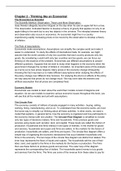
Chapter 22 -
Enthalpy and Entropy
22 .
I Lattice Enthalpy
lattice enthalpy a measure of the strength of ionic bonding in a
giant
-
ionic lattice
↳
enthalpy charge that accompanies the formation of one more of an ionic
compound from its ions under standard conditions
gaseous
↳
involves ionic bond formation from separate gaseous ions →
exothermic ,
-
ve OH
Factors affecting lattice enthalpy Why might the experimental and
→
Charges on the ions theoretical values differ ?
↳ →
t charge ,
t
enthalpy Most compounds have some
→
The radius of the ions covalent bonding as were as
↳
t enthalpy (
size ,
t closer ionic
bonding
together in lattice ) →
Comparing experimental and
theoretical values can show how
Born -
Haber cycles purely ionic a
crystal is .
GASEOUS IONS
Cicotte
-
→ a
-
Cg ) formation of
O & Standard enthalpy
ions
gaseous
Nacg ) Natcg,
change of formation Of Hot
-
→ + e
endothermic
NAU →
Enthalpy
+
Na A (9)
-
Cgl + →
change when
GASEOUS ATOMS
0
(atomization ] formation ROUTE 2 One mole of a compound is
of
vacs , →
Nacg , Saroyan endothermic lattice enthalpy formed from its elements
bond breaking
ELEMENTS IN
( lattice formation Under standard conditions ,
STANDARD
STATES lattice formation from gaseous ions) with all the reactants and
from elements
Na
+
I uz exothermic products in their standard States .
→ Nau
ROUTE 2
O &
p exothermic
Standard enthalpy of
-
IONIC LATTICE
Atonisation Oar Htt
→ Dat HE is endothermic as bonds are
→
The enthalpy
charge
broken that takes place for the
formation of one more of
gaseous
Atoms from the elements in it
standard State under standard conditions .
, & First ionisation
-0
* First electron He
energy Die H
affinity Den .
→ The enthalpy required to
→
The enthalpy change that
charge
remove one electron from each atom takes place when one electron is
in one more of gaseous It ions .
Added to each atom in one more
of to form more
gaseous atoms one
→
Die hot is endothermic of 2- ions
gaseous .
( energy needed to overcome attraction) .
→ electron affinity is the opposite ( energy
→
Dea Hot is Ekothermic As the
needed to ) electron
being added is attracted
-
electrons
gain in
towards the nucleus .
* successive electron affinities
→
second electron affinities are endothermic
02 (g)
-
O
O (g) 2e
- -
+
2nd electron affinity
&
DEA 2 H
1st electron affinity
't
( endothermic as you
DEAL H need to overcome the
repulsion benveen the
p O electron and already
(g)
- -
+ e
negative ion )
1 .
(a) (i ) first ionisation energy
( ii ) second election affinity
Ciii ) enthalpy charge of formation .
(b) (i ) "
Cag , +02 Cae ,
-
Mg MgO
→
es ,
Cii ) F (g)
-
e → F Cg)
-
+
Natg) te Brcg,
-
ztozcg,
t
( iii ) → 0cg ,
1st IE NAD 1st electronaffinity Br
2 .
(a) A -
formation ( b) -
325
B +496 Nat Cg) Cg )
-
t Br
electron affinity p
-
C Na Cgl Brest
-
Atomization
+
atomism on
-
or O
D -
ionisation Lattice Enthalpy
t 112 of Nasr
f
-
Ato thisAtion
'
NAGI t
z Br . Cs )
Atomisation Na
Lf
1- 108
(C) -
( -
325) -
( 496 ) -
( 112 ) Nacht 's Brass
formation Nasr
-
(108 ) t ( 361 )
- 361
'
752 O Nasr Cs)
-
O
KJ Mol
-
=
Chapter 22 -
Enthalpy and Entropy
22 .
I Lattice Enthalpy
lattice enthalpy a measure of the strength of ionic bonding in a
giant
-
ionic lattice
↳
enthalpy charge that accompanies the formation of one more of an ionic
compound from its ions under standard conditions
gaseous
↳
involves ionic bond formation from separate gaseous ions →
exothermic ,
-
ve OH
Factors affecting lattice enthalpy Why might the experimental and
→
Charges on the ions theoretical values differ ?
↳ →
t charge ,
t
enthalpy Most compounds have some
→
The radius of the ions covalent bonding as were as
↳
t enthalpy (
size ,
t closer ionic
bonding
together in lattice ) →
Comparing experimental and
theoretical values can show how
Born -
Haber cycles purely ionic a
crystal is .
GASEOUS IONS
Cicotte
-
→ a
-
Cg ) formation of
O & Standard enthalpy
ions
gaseous
Nacg ) Natcg,
change of formation Of Hot
-
→ + e
endothermic
NAU →
Enthalpy
+
Na A (9)
-
Cgl + →
change when
GASEOUS ATOMS
0
(atomization ] formation ROUTE 2 One mole of a compound is
of
vacs , →
Nacg , Saroyan endothermic lattice enthalpy formed from its elements
bond breaking
ELEMENTS IN
( lattice formation Under standard conditions ,
STANDARD
STATES lattice formation from gaseous ions) with all the reactants and
from elements
Na
+
I uz exothermic products in their standard States .
→ Nau
ROUTE 2
O &
p exothermic
Standard enthalpy of
-
IONIC LATTICE
Atonisation Oar Htt
→ Dat HE is endothermic as bonds are
→
The enthalpy
charge
broken that takes place for the
formation of one more of
gaseous
Atoms from the elements in it
standard State under standard conditions .
, & First ionisation
-0
* First electron He
energy Die H
affinity Den .
→ The enthalpy required to
→
The enthalpy change that
charge
remove one electron from each atom takes place when one electron is
in one more of gaseous It ions .
Added to each atom in one more
of to form more
gaseous atoms one
→
Die hot is endothermic of 2- ions
gaseous .
( energy needed to overcome attraction) .
→ electron affinity is the opposite ( energy
→
Dea Hot is Ekothermic As the
needed to ) electron
being added is attracted
-
electrons
gain in
towards the nucleus .
* successive electron affinities
→
second electron affinities are endothermic
02 (g)
-
O
O (g) 2e
- -
+
2nd electron affinity
&
DEA 2 H
1st electron affinity
't
( endothermic as you
DEAL H need to overcome the
repulsion benveen the
p O electron and already
(g)
- -
+ e
negative ion )
1 .
(a) (i ) first ionisation energy
( ii ) second election affinity
Ciii ) enthalpy charge of formation .
(b) (i ) "
Cag , +02 Cae ,
-
Mg MgO
→
es ,
Cii ) F (g)
-
e → F Cg)
-
+
Natg) te Brcg,
-
ztozcg,
t
( iii ) → 0cg ,
1st IE NAD 1st electronaffinity Br
2 .
(a) A -
formation ( b) -
325
B +496 Nat Cg) Cg )
-
t Br
electron affinity p
-
C Na Cgl Brest
-
Atomization
+
atomism on
-
or O
D -
ionisation Lattice Enthalpy
t 112 of Nasr
f
-
Ato thisAtion
'
NAGI t
z Br . Cs )
Atomisation Na
Lf
1- 108
(C) -
( -
325) -
( 496 ) -
( 112 ) Nacht 's Brass
formation Nasr
-
(108 ) t ( 361 )
- 361
'
752 O Nasr Cs)
-
O
KJ Mol
-
=