1
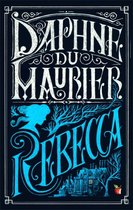
Daphne Du Maurier was born in England in 1907, the daughter of a wealthy father who was one of the country's
most famous actor-managers. Indulged as a girl, she had her first novel published when she was in her early
twenties, and married a soldier-nobleman, Lieutenant-General Sir Frederick Browning. For most of her life she
and her husband lived on the coast of Cornwall in a picturesque mansion called Menabilly--a place that would
be the inspiration for Manderley in Rebecca.
In an era of modernist experimentation in literature, Du Maurier achieved literary fame as the author of
traditional historical romances and gothic thrillers, for which she drew on her extensive research into her own
family history, as well as the legends of Cornwall's past. Rebecca,published in 1938, remains her most famous
work, filmed by Alfred Hitchcock and adored by generations of readers. With its story of a nameless, shy young
woman's quest to overcome the ghost of her husband's dead wife and achieve happiness, Rebecca possesses a
remarkable degree of psychological sophistication, while still delivering Du Maurier's trademark brand of
suspense.
In recognition of her literary accomplishments, Daphne Du Maurier was named a Dame of the British Empire in
1969 (the female equivalent of being knighted). She died in 1989.
Themes
-Marriage: Rebecca doesn't have too much good to say about marriage. Matrimony is presented as necessary
for social and economic respectability. Some people call this gold digging, but in this story, it's more like status
digging. In this story, Maxim, Rebecca, and Mrs. de Winter are all willing to do anything to maintain the
appearance of a successful marriage, and seem to see a failed marriage as a fate worse than death. Literally.
Think about it: our narrator almost jumps out a window to her death in order to avoid the possibility of a failed
marriage. Now that's a lot of pressure.
How is marriage represented in Rebecca? Do different characters have different attitudes toward it, or does
most everyone feel the same way? Give a few examples.
How has the institution of marriage changed since 1938 whenRebecca was published? How has it stayed the
same?
After all the craziness that went down, do you think Maxim and Mrs. de Winter can have a happy, healthy
marriage together? Or did they miss their chance?
Why are the characters so afraid of a failed marriage?
- Love: Where's the love? You might find yourself asking just this question as you read Rebecca. In spite of its
highly romantic nature, this novel is full of spiteful, selfish characters wrapped up in dark dramas. We do see
glimmers of what looks like real love, but there's always a dark twist. For example, the frightful Mrs. Danvers
seems to be the only person who really loved Rebecca and didn't view her as disposable. Similarly, Mrs. de
, 2
Winter really, really does seem to love Maxim in a way that defines the phrase "unconditional love." Knowing he
could snap and kill her easily if she betrays him, we fear that her love could cause her harm. Still, there's
evidence that Maxim really does love her, too. Perhaps she's everything he really wants in a woman. What do
you think? Is their love real or just imagined because of all the other intense emotions floating around?
Do you think Maxim ever loved Rebecca? Did Rebecca ever love Maxim?
How would you describe Mrs. Danvers' love for Rebecca? Would you even describe it as love? Why or why not?
Is Maxim in love with Mrs. de Winter, or is he just using her? Similarly, is Mrs. de Winter in love with Maxim, or
is she just infatuated? How do you know?
Do you think Maxim could come to hate Mrs. de Winter the way he hated Rebecca?
What are some of the reasons Maxim and Mrs. de Winter are attracted to each other?
Is Favell in love with Rebecca? Explain your answer.
-Death: The main characters in Rebecca are all either dead, look dead, or are dangerously close to death. In fact,
the title character, Rebecca, is dead before the story even begins. Sure there's murder involved (Maxim killed
his wife, after all), but death by natural causes is also a factor: Rebecca was terminally ill with a cancerous
growth when she died. So these characters prefer a murder to a natural death? In any case, one of the most
compelling things about Rebecca is that it reeks of a haunted house/ghost story, without actually being one.
Rebecca never comes back to life or appears as a ghost (right?); but the ghost of Rebecca is created in the minds
of the living people who are obsessed with her existence and her death.
Is Manderley haunted by Rebecca? Or is it just in the imaginations of the living characters? How can you tell?
Why does Mrs. Danvers mourn Rebecca's death so deeply?
How does the discovery that Rebecca was terminally ill before she died impact the way her death is seen by
others?
Mrs. Danvers kind of looks like she's dead? Other than "ew, gross," what's the story there?
-Memory and the Past: Daphne du Maurier's blockbuster turned classic is for the most part, a memory of the
past. It's narrated by a woman known only as Mrs. de Winter who's looking back on the most intense part of her
past, from a present that seems to be comfortably numb. Her memories are of big, important events, including
her Cinderella-style rise from paid companion to wife of the dashing, wealthy Maxim de Winter. But she also
remembers the small things, like the weather, which show an intimacy with the natural world. Whatever the
details, we must be aware that the story we're reading is subject to the unreliability of memory.
What does Rebecca have to tell us about how memory works?
Does the fact that Mrs. de Winter's story is a memory make it more or less reliable?
Daphne Du Maurier was born in England in 1907, the daughter of a wealthy father who was one of the country's
most famous actor-managers. Indulged as a girl, she had her first novel published when she was in her early
twenties, and married a soldier-nobleman, Lieutenant-General Sir Frederick Browning. For most of her life she
and her husband lived on the coast of Cornwall in a picturesque mansion called Menabilly--a place that would
be the inspiration for Manderley in Rebecca.
In an era of modernist experimentation in literature, Du Maurier achieved literary fame as the author of
traditional historical romances and gothic thrillers, for which she drew on her extensive research into her own
family history, as well as the legends of Cornwall's past. Rebecca,published in 1938, remains her most famous
work, filmed by Alfred Hitchcock and adored by generations of readers. With its story of a nameless, shy young
woman's quest to overcome the ghost of her husband's dead wife and achieve happiness, Rebecca possesses a
remarkable degree of psychological sophistication, while still delivering Du Maurier's trademark brand of
suspense.
In recognition of her literary accomplishments, Daphne Du Maurier was named a Dame of the British Empire in
1969 (the female equivalent of being knighted). She died in 1989.
Themes
-Marriage: Rebecca doesn't have too much good to say about marriage. Matrimony is presented as necessary
for social and economic respectability. Some people call this gold digging, but in this story, it's more like status
digging. In this story, Maxim, Rebecca, and Mrs. de Winter are all willing to do anything to maintain the
appearance of a successful marriage, and seem to see a failed marriage as a fate worse than death. Literally.
Think about it: our narrator almost jumps out a window to her death in order to avoid the possibility of a failed
marriage. Now that's a lot of pressure.
How is marriage represented in Rebecca? Do different characters have different attitudes toward it, or does
most everyone feel the same way? Give a few examples.
How has the institution of marriage changed since 1938 whenRebecca was published? How has it stayed the
same?
After all the craziness that went down, do you think Maxim and Mrs. de Winter can have a happy, healthy
marriage together? Or did they miss their chance?
Why are the characters so afraid of a failed marriage?
- Love: Where's the love? You might find yourself asking just this question as you read Rebecca. In spite of its
highly romantic nature, this novel is full of spiteful, selfish characters wrapped up in dark dramas. We do see
glimmers of what looks like real love, but there's always a dark twist. For example, the frightful Mrs. Danvers
seems to be the only person who really loved Rebecca and didn't view her as disposable. Similarly, Mrs. de
, 2
Winter really, really does seem to love Maxim in a way that defines the phrase "unconditional love." Knowing he
could snap and kill her easily if she betrays him, we fear that her love could cause her harm. Still, there's
evidence that Maxim really does love her, too. Perhaps she's everything he really wants in a woman. What do
you think? Is their love real or just imagined because of all the other intense emotions floating around?
Do you think Maxim ever loved Rebecca? Did Rebecca ever love Maxim?
How would you describe Mrs. Danvers' love for Rebecca? Would you even describe it as love? Why or why not?
Is Maxim in love with Mrs. de Winter, or is he just using her? Similarly, is Mrs. de Winter in love with Maxim, or
is she just infatuated? How do you know?
Do you think Maxim could come to hate Mrs. de Winter the way he hated Rebecca?
What are some of the reasons Maxim and Mrs. de Winter are attracted to each other?
Is Favell in love with Rebecca? Explain your answer.
-Death: The main characters in Rebecca are all either dead, look dead, or are dangerously close to death. In fact,
the title character, Rebecca, is dead before the story even begins. Sure there's murder involved (Maxim killed
his wife, after all), but death by natural causes is also a factor: Rebecca was terminally ill with a cancerous
growth when she died. So these characters prefer a murder to a natural death? In any case, one of the most
compelling things about Rebecca is that it reeks of a haunted house/ghost story, without actually being one.
Rebecca never comes back to life or appears as a ghost (right?); but the ghost of Rebecca is created in the minds
of the living people who are obsessed with her existence and her death.
Is Manderley haunted by Rebecca? Or is it just in the imaginations of the living characters? How can you tell?
Why does Mrs. Danvers mourn Rebecca's death so deeply?
How does the discovery that Rebecca was terminally ill before she died impact the way her death is seen by
others?
Mrs. Danvers kind of looks like she's dead? Other than "ew, gross," what's the story there?
-Memory and the Past: Daphne du Maurier's blockbuster turned classic is for the most part, a memory of the
past. It's narrated by a woman known only as Mrs. de Winter who's looking back on the most intense part of her
past, from a present that seems to be comfortably numb. Her memories are of big, important events, including
her Cinderella-style rise from paid companion to wife of the dashing, wealthy Maxim de Winter. But she also
remembers the small things, like the weather, which show an intimacy with the natural world. Whatever the
details, we must be aware that the story we're reading is subject to the unreliability of memory.
What does Rebecca have to tell us about how memory works?
Does the fact that Mrs. de Winter's story is a memory make it more or less reliable?