
2026 UPDATED QUESTIONS DOWNLOAD
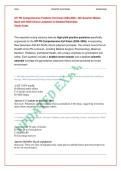
ATI PN Comprehensive Predictor Exit Exam 2025-2026 | 300 Question Master
Bank with NGN Clinical Judgment & Detailed Rationales
Study Guide
This essential nursing resource features high-yield practice questions specifically
engineered for the ATI PN Comprehensive Exit Exam (2025–2026), incorporating
New Generation NCLEX (NGN) clinical judgment principles. The content covers the full
breadth of the PN curriculum, including Medical-Surgical, Pharmacology, Maternal-
Newborn, Pediatrics, and Mental Health, with a heavy emphasis on prioritization and
safety. Each question includes a bolded correct answer and a detailed scientific
rationale to bridge the gap between classroom theory and the proctored exit exam
environment.
1. A 68-year-old patient with chronic heart failure reports increasing shortness of breath and swelling in
the legs. Which assessment finding is most concerning?
A) BP 120/78 mmHg
B) Bilateral ankle edema
C) Crackles in the lower lobes
D) Mild fatigue
Answer: C) Crackles in the lower lobes
Rationale: Pulmonary crackles indicate fluid accumulation in the lungs, suggesting worsening
heart failure and potential pulmonary edema.
2. A nurse is caring for a patient with type 2 diabetes who reports sweating, tremors, and dizziness. What
is the priority action?
A) Administer 10 units of insulin
B) Offer 15 g of oral glucose
C) Monitor BP
D) Encourage exercise
Answer: B) Offer 15 g of oral glucose
Rationale: These are signs of hypoglycemia; rapid glucose administration prevents progression
to loss of consciousness.
,2026 UPDATED QUESTIONS DOWNLOAD
3. A postoperative patient has a new-onset fever of 101.5 °F, chills, and purulent drainage from the incision
site. Which intervention is priority?
A) Apply warm compress
B) Notify the provider and obtain a wound culture
C) Encourage ambulation
D) Document findings
Answer: B) Notify the provider and obtain a wound culture
Rationale: Signs indicate a possible surgical site infection; early detection and culture guide
treatment.
4. A patient receiving a loop diuretic reports muscle cramps and palpitations. Which lab value would most
likely be abnormal?
A) Sodium 140 mEq/L
B) Potassium 2.9 mEq/L
C) Calcium 9.2 mg/dL
D) Magnesium 2.0 mg/dL
Answer: B) Potassium 2.9 mEq/L
Rationale: Loop diuretics increase potassium excretion, leading to hypokalemia, which can
cause muscle cramps and arrhythmias.
5. A patient with COPD is receiving oxygen at 2 L/min via nasal cannula. SpO₂ is 87%. What is the next best
action?
A) Increase oxygen to 4 L/min and reassess
B) Remove oxygen
C) Encourage coughing only
D) Start IV fluids
Answer: A) Increase oxygen to 4 L/min and reassess
Rationale: Hypoxemia requires titration of oxygen while monitoring SpO₂ to maintain adequate
oxygenation.
6. A patient with hyperthyroidism reports palpitations, weight loss, and heat intolerance. Which nursing
intervention is appropriate?
A) Encourage high-calorie meals and monitor heart rate
B) Administer beta-blockers without provider order
,2026 UPDATED QUESTIONS DOWNLOAD
C) Restrict fluids
D) Promote complete bed rest
Answer: A) Encourage high-calorie meals and monitor heart rate
Rationale: Hyperthyroid patients have increased metabolism and risk for tachyarrhythmias;
nutrition and monitoring are priorities.
7. A patient on warfarin asks about diet. Which statement indicates correct understanding?
A) “I can eat a consistent amount of leafy green vegetables.”
B) “I must avoid all green vegetables.”
C) “I don’t need to monitor INR if I feel fine.”
D) “I can double my dose if I forget one.”
Answer: A) “I can eat a consistent amount of leafy green vegetables.”
Rationale: Sudden changes in vitamin K intake can alter warfarin effectiveness; consistency is
key.
8. A patient presents with sudden shortness of breath, chest pain, and anxiety. Which intervention is
priority?
A) Obtain ECG and notify provider
B) Encourage ambulation
C) Administer antacids
D) Encourage oral fluids
Answer: A) Obtain ECG and notify provider
Rationale: These are classic signs of myocardial infarction or pulmonary embolism; prompt
assessment is critical.
9. A patient with CKD has fatigue, pallor, and low hemoglobin. Which treatment is anticipated?
A) Erythropoietin injections
B) High-protein diet only
C) Loop diuretics
D) Fluid restriction only
Answer: A) Erythropoietin injections
Rationale: CKD reduces erythropoietin production, causing anemia; replacement therapy
improves oxygen-carrying capacity.
, 2026 UPDATED QUESTIONS DOWNLOAD
10. A postoperative patient develops tachycardia, hypotension, and cold, clammy skin. Which type of shock
is most likely?
A) Hypovolemic
B) Neurogenic
C) Cardiogenic
D) Septic
Answer: A) Hypovolemic
Rationale: Hypovolemic shock presents with tachycardia, hypotension, and poor perfusion due
to fluid loss.
11. Which intervention is priority for a patient with hypokalemia?
A) Administer potassium supplement as ordered
B) Restrict fluids
C) Encourage rest only
D) Provide high-sodium diet
Answer: A) Administer potassium supplement as ordered
Rationale: Hypokalemia can cause cardiac arrhythmias; supplementation restores safe levels.
12. A patient has signs of DVT: unilateral calf swelling, redness, and tenderness. What is the priority
nursing action?
A) Apply warm compress
B) Elevate leg and notify provider for anticoagulation
C) Encourage ambulation immediately
D) Apply elastic bandage only
Answer: B) Elevate leg and notify provider for anticoagulation
Rationale: Early anticoagulation prevents clot propagation and pulmonary embolism.
13. A patient with suspected increased ICP demonstrates bradycardia, hypertension, and irregular
respirations. What is this called?
A) Cushing’s triad
B) Shock
ATI PN Comprehensive Predictor Exit Exam 2025-2026 | 300 Question Master
Bank with NGN Clinical Judgment & Detailed Rationales
Study Guide
This essential nursing resource features high-yield practice questions specifically
engineered for the ATI PN Comprehensive Exit Exam (2025–2026), incorporating
New Generation NCLEX (NGN) clinical judgment principles. The content covers the full
breadth of the PN curriculum, including Medical-Surgical, Pharmacology, Maternal-
Newborn, Pediatrics, and Mental Health, with a heavy emphasis on prioritization and
safety. Each question includes a bolded correct answer and a detailed scientific
rationale to bridge the gap between classroom theory and the proctored exit exam
environment.
1. A 68-year-old patient with chronic heart failure reports increasing shortness of breath and swelling in
the legs. Which assessment finding is most concerning?
A) BP 120/78 mmHg
B) Bilateral ankle edema
C) Crackles in the lower lobes
D) Mild fatigue
Answer: C) Crackles in the lower lobes
Rationale: Pulmonary crackles indicate fluid accumulation in the lungs, suggesting worsening
heart failure and potential pulmonary edema.
2. A nurse is caring for a patient with type 2 diabetes who reports sweating, tremors, and dizziness. What
is the priority action?
A) Administer 10 units of insulin
B) Offer 15 g of oral glucose
C) Monitor BP
D) Encourage exercise
Answer: B) Offer 15 g of oral glucose
Rationale: These are signs of hypoglycemia; rapid glucose administration prevents progression
to loss of consciousness.
,2026 UPDATED QUESTIONS DOWNLOAD
3. A postoperative patient has a new-onset fever of 101.5 °F, chills, and purulent drainage from the incision
site. Which intervention is priority?
A) Apply warm compress
B) Notify the provider and obtain a wound culture
C) Encourage ambulation
D) Document findings
Answer: B) Notify the provider and obtain a wound culture
Rationale: Signs indicate a possible surgical site infection; early detection and culture guide
treatment.
4. A patient receiving a loop diuretic reports muscle cramps and palpitations. Which lab value would most
likely be abnormal?
A) Sodium 140 mEq/L
B) Potassium 2.9 mEq/L
C) Calcium 9.2 mg/dL
D) Magnesium 2.0 mg/dL
Answer: B) Potassium 2.9 mEq/L
Rationale: Loop diuretics increase potassium excretion, leading to hypokalemia, which can
cause muscle cramps and arrhythmias.
5. A patient with COPD is receiving oxygen at 2 L/min via nasal cannula. SpO₂ is 87%. What is the next best
action?
A) Increase oxygen to 4 L/min and reassess
B) Remove oxygen
C) Encourage coughing only
D) Start IV fluids
Answer: A) Increase oxygen to 4 L/min and reassess
Rationale: Hypoxemia requires titration of oxygen while monitoring SpO₂ to maintain adequate
oxygenation.
6. A patient with hyperthyroidism reports palpitations, weight loss, and heat intolerance. Which nursing
intervention is appropriate?
A) Encourage high-calorie meals and monitor heart rate
B) Administer beta-blockers without provider order
,2026 UPDATED QUESTIONS DOWNLOAD
C) Restrict fluids
D) Promote complete bed rest
Answer: A) Encourage high-calorie meals and monitor heart rate
Rationale: Hyperthyroid patients have increased metabolism and risk for tachyarrhythmias;
nutrition and monitoring are priorities.
7. A patient on warfarin asks about diet. Which statement indicates correct understanding?
A) “I can eat a consistent amount of leafy green vegetables.”
B) “I must avoid all green vegetables.”
C) “I don’t need to monitor INR if I feel fine.”
D) “I can double my dose if I forget one.”
Answer: A) “I can eat a consistent amount of leafy green vegetables.”
Rationale: Sudden changes in vitamin K intake can alter warfarin effectiveness; consistency is
key.
8. A patient presents with sudden shortness of breath, chest pain, and anxiety. Which intervention is
priority?
A) Obtain ECG and notify provider
B) Encourage ambulation
C) Administer antacids
D) Encourage oral fluids
Answer: A) Obtain ECG and notify provider
Rationale: These are classic signs of myocardial infarction or pulmonary embolism; prompt
assessment is critical.
9. A patient with CKD has fatigue, pallor, and low hemoglobin. Which treatment is anticipated?
A) Erythropoietin injections
B) High-protein diet only
C) Loop diuretics
D) Fluid restriction only
Answer: A) Erythropoietin injections
Rationale: CKD reduces erythropoietin production, causing anemia; replacement therapy
improves oxygen-carrying capacity.
, 2026 UPDATED QUESTIONS DOWNLOAD
10. A postoperative patient develops tachycardia, hypotension, and cold, clammy skin. Which type of shock
is most likely?
A) Hypovolemic
B) Neurogenic
C) Cardiogenic
D) Septic
Answer: A) Hypovolemic
Rationale: Hypovolemic shock presents with tachycardia, hypotension, and poor perfusion due
to fluid loss.
11. Which intervention is priority for a patient with hypokalemia?
A) Administer potassium supplement as ordered
B) Restrict fluids
C) Encourage rest only
D) Provide high-sodium diet
Answer: A) Administer potassium supplement as ordered
Rationale: Hypokalemia can cause cardiac arrhythmias; supplementation restores safe levels.
12. A patient has signs of DVT: unilateral calf swelling, redness, and tenderness. What is the priority
nursing action?
A) Apply warm compress
B) Elevate leg and notify provider for anticoagulation
C) Encourage ambulation immediately
D) Apply elastic bandage only
Answer: B) Elevate leg and notify provider for anticoagulation
Rationale: Early anticoagulation prevents clot propagation and pulmonary embolism.
13. A patient with suspected increased ICP demonstrates bradycardia, hypertension, and irregular
respirations. What is this called?
A) Cushing’s triad
B) Shock

