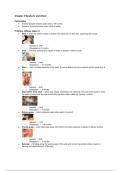
Chapter 3 Newborn and Infant
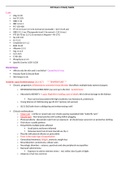
Fontanelles
● Anterior fontanel remains open until 12-18 months
● Posterior fontanel remains open until 6-8 weeks
Primitive reflexes table 3.1
● Root → when the infant's cheek is stroked, the infant turns to that side, searching with mouth
○ Appears at birth
○ Disappears at 3 months
● Suck → reflexing sucking when nipple or finger is placed in infants mouth
○ Appears → birth
○ Disappears → 2-5 months
● Moro → with a sudden extension of the head, the arms abduct and move upward and th hands form a
“C”
○ Appears → birth
○ Disappears → 4 months
● Asymmetric tonic neck → while lying supine, extremities are extended o the side of the body to which
the head is turned and opposite extremities are flexed (also called the “fencing” position)
○ Appears → birth
○ Disappears → 4 months
● Palmar grasp → Infant reflexively rasps when palm is touched
○ Appears → birth
○ Disappears → 4-6 months
● Plantar grasp→ infant reflexively grasp with bottom foot when pressure is applied to plantar surface
○ Appears → birth
○ Disappears → 9 months
● Babinski → Stroking along the lateral aspect of the sole and across the plantar surface results in
fanning and hyperextension of the toes
, ○ Appears → birth
○ Disappears → 12 months
● Step → with one foot on a flat surface, the infant puts th other foot down as if to “step”
○ Appears → birth
○ Disappears → 4-8 weeks
● Neck righting → keeps head in upright position when body is tilted
○ Appears → 4-6 months
○ Disappears → persists
● Parachute (sideways)→ protective extension with arms when tilted to the side in a supporting sitting
position
○ Appears → 6 months
○ Disappears → persists
● Parachute (forward) → protective extension with the arms when held up in the air and moved forward.
The infant reflexively reaches forward to catch himself or herself
○ Appears → 6-7 months
○ Disappears → persists
● Parachute (backward) → protective extension with the arms when tilted backward
○ Appears → 9-10 months
○ Disappears → persists
Gross motor skills table 3.3 + Fine motor skills table 3.4
,Appropriate toys table 3.5
Safety
● In the car
○ Proper restraint
○ Infant car seats should face the rear of the car throughout infancy
○ Car seat in the center of the back seat never in a front seat that is equipped with an airbag
○ Infant can suffocate in the care
○ never leave baby unattended
● At home
○ Safe Sleep: firm mattress, on their back, rails up in hospital.
○ Safety on the changing table (hand on baby at all times), never leave unattended even on
sofa.
○ Walkers are not recommended (can bump into furniture and get hit by items, tip over, down the
stairs)
○ Infant swings or bouncer seats (restrain infant), not for sleep.
○ Safety in the home using safety gates, outlet covers, furniture corner protection, taking
decorative pieces that are dangerous away from the rooms.
○ Identify choking hazards (small toys, foods like carrot slices, grapes, hot dog pieces, popcorn).
○ Aspiration is the most common cause of injury/death in infants.
■ toy for their age
■ no stuffed animals
■ floor free of small items
■ avoid feeding popcorn, nuts, carrot slices, grapes, and hot dog pieces
○ Suffocation
■ no pillows, comforters, stuffed animals or other soft item in the crib
● In the water
○ Water safety (bathtubs, toilets, buckets, pools)
○ never leave the child unattended
○ bathroom door closed and toilet lid down
○ locked fence of the pool
Progressing to solid foods + Foods to avoid box 3.3
● Solid foods are introduced at 6 months
● Good choice for the first solid food → iron-fortified rice cereal mixed with small amount of breast milk or
formula
● New food every 4-5 days for identification of allergies
● By 8 months → ready for more texture, soft mashed table food without large chunk
● Strained, pureed or mashed meats may be introduced at 10-12 months
● Avoid peanut-containing food until at least 12 months
● Introduce cup by 6-8 monthsFruit juice not necessary and introduced by 6 months
, Teething
● Teeth begin to appear between 6-8 months
● By 1 year, they have 4-8 teeth
● Teething pain → application of cold may be soothing to the gums, rub ice on the gum
● Excess fluoride ingestion can result in discoloration of the teeth (fluorosis)
● Toothpaste is unnecessary during infancy
● Weaning from bottles at 12-15 months may help prevent dental caries
● First dental visit at 1 year
Chapter 4 Toddler
Developmental theories Table 4.1
Motor skill development table 4.2
● Engage in parallel play (playing alongside, not with another child) instead of cooperative play
Separation anxiety
● Separation anxiety re-emerges at 18-24 months, eases by 24-36 months when they know parents will
come back later (routine)
Temperament
● Affects how they interact with the environment
● Temper tantrum → avoid them
● structure and routine helps
Fontanelles
● Anterior fontanel remains open until 12-18 months
● Posterior fontanel remains open until 6-8 weeks
Primitive reflexes table 3.1
● Root → when the infant's cheek is stroked, the infant turns to that side, searching with mouth
○ Appears at birth
○ Disappears at 3 months
● Suck → reflexing sucking when nipple or finger is placed in infants mouth
○ Appears → birth
○ Disappears → 2-5 months
● Moro → with a sudden extension of the head, the arms abduct and move upward and th hands form a
“C”
○ Appears → birth
○ Disappears → 4 months
● Asymmetric tonic neck → while lying supine, extremities are extended o the side of the body to which
the head is turned and opposite extremities are flexed (also called the “fencing” position)
○ Appears → birth
○ Disappears → 4 months
● Palmar grasp → Infant reflexively rasps when palm is touched
○ Appears → birth
○ Disappears → 4-6 months
● Plantar grasp→ infant reflexively grasp with bottom foot when pressure is applied to plantar surface
○ Appears → birth
○ Disappears → 9 months
● Babinski → Stroking along the lateral aspect of the sole and across the plantar surface results in
fanning and hyperextension of the toes
, ○ Appears → birth
○ Disappears → 12 months
● Step → with one foot on a flat surface, the infant puts th other foot down as if to “step”
○ Appears → birth
○ Disappears → 4-8 weeks
● Neck righting → keeps head in upright position when body is tilted
○ Appears → 4-6 months
○ Disappears → persists
● Parachute (sideways)→ protective extension with arms when tilted to the side in a supporting sitting
position
○ Appears → 6 months
○ Disappears → persists
● Parachute (forward) → protective extension with the arms when held up in the air and moved forward.
The infant reflexively reaches forward to catch himself or herself
○ Appears → 6-7 months
○ Disappears → persists
● Parachute (backward) → protective extension with the arms when tilted backward
○ Appears → 9-10 months
○ Disappears → persists
Gross motor skills table 3.3 + Fine motor skills table 3.4
,Appropriate toys table 3.5
Safety
● In the car
○ Proper restraint
○ Infant car seats should face the rear of the car throughout infancy
○ Car seat in the center of the back seat never in a front seat that is equipped with an airbag
○ Infant can suffocate in the care
○ never leave baby unattended
● At home
○ Safe Sleep: firm mattress, on their back, rails up in hospital.
○ Safety on the changing table (hand on baby at all times), never leave unattended even on
sofa.
○ Walkers are not recommended (can bump into furniture and get hit by items, tip over, down the
stairs)
○ Infant swings or bouncer seats (restrain infant), not for sleep.
○ Safety in the home using safety gates, outlet covers, furniture corner protection, taking
decorative pieces that are dangerous away from the rooms.
○ Identify choking hazards (small toys, foods like carrot slices, grapes, hot dog pieces, popcorn).
○ Aspiration is the most common cause of injury/death in infants.
■ toy for their age
■ no stuffed animals
■ floor free of small items
■ avoid feeding popcorn, nuts, carrot slices, grapes, and hot dog pieces
○ Suffocation
■ no pillows, comforters, stuffed animals or other soft item in the crib
● In the water
○ Water safety (bathtubs, toilets, buckets, pools)
○ never leave the child unattended
○ bathroom door closed and toilet lid down
○ locked fence of the pool
Progressing to solid foods + Foods to avoid box 3.3
● Solid foods are introduced at 6 months
● Good choice for the first solid food → iron-fortified rice cereal mixed with small amount of breast milk or
formula
● New food every 4-5 days for identification of allergies
● By 8 months → ready for more texture, soft mashed table food without large chunk
● Strained, pureed or mashed meats may be introduced at 10-12 months
● Avoid peanut-containing food until at least 12 months
● Introduce cup by 6-8 monthsFruit juice not necessary and introduced by 6 months
, Teething
● Teeth begin to appear between 6-8 months
● By 1 year, they have 4-8 teeth
● Teething pain → application of cold may be soothing to the gums, rub ice on the gum
● Excess fluoride ingestion can result in discoloration of the teeth (fluorosis)
● Toothpaste is unnecessary during infancy
● Weaning from bottles at 12-15 months may help prevent dental caries
● First dental visit at 1 year
Chapter 4 Toddler
Developmental theories Table 4.1
Motor skill development table 4.2
● Engage in parallel play (playing alongside, not with another child) instead of cooperative play
Separation anxiety
● Separation anxiety re-emerges at 18-24 months, eases by 24-36 months when they know parents will
come back later (routine)
Temperament
● Affects how they interact with the environment
● Temper tantrum → avoid them
● structure and routine helps