
Human r A N
MANPOWER PLANNING
• This is a top down process. This means that it is a strategic plan of the business to
determine:
- The estimated number of employees
- The range of skills required
- The time frame within which the business has to fulfil its employment needs.
In order to do Manpower planning, the business requires:
1. Job Analysis: This determines all tasks and responsibilities associated with the job.
2. Job Description: This specifies the job title and gives a summary of all roles/duties/ job
conditions out by such a person. Eg: working times, who do you report to/ oversee.
3. Job specification: This determines the specific skills and/or experience needed by the
person to perform the role/ job. Eg. A university degree/ 5 years fashion experience.
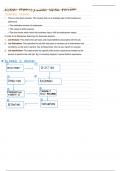
* THE PROCESS Of PROCURING :
I 2
- -
= CRUITMENT & ELECTION
- -
4 3
V
T
DUCTION -
-LACEMENT
- -
6
5 V
TRAINING E
REMUNERATION
·
BENEFITS DEVELOPMENT
7 V
S
·
RETENTION
. S ·
EVALUATION-
,STEP 1: RECRUITMENT:
A process to attract the most suitable talent, thus there are internal/external options. The task
is to determine which recruitment method would be most effective to attract, competent
prospective employees.
Internal recruitment: positions are only advertised internally and this is done by transferring or
promoting existing staff.
External recruitment: if it is not possible to find a suitable foot internally, the business will
recruit externally by using newspapers, coming appointment agencies, approaching school/
Universities and headhunting.
What is headhunting?
A suitable candidate is identified, who works for a competitor, and an offer is made to the
candidate to join the new company.
ADVANTAGES OF INTERNAL RECRUITMENT:
• Employee morale is improved.
• It is more cost-effective as you don’t use recruitment agencies, this can save time.
• then please characteristics, strengths, weaknesses are known to the business.
DISADVANTAGES OF INTERNAL RECRUITMENT:
• Can lead to negative/dysfunctional conflict position.
• Internal employees might be in a comfort zone, so there is no need to come up with a
new/fresh ideas.
ADVANTAGES OF EXTERNAL RECRUITMENT:
• new ideas/kills I brought into the business.
• Nepotism is less likely to occur.
• Gives the business opportunity to employ more affirmative action candidates to meet
employment equity targets.
, • Headhunted employees can provide insight into competitors operations.
• No infighting occurs amongst employees for the position.
STEP 2: SELECTION
1. Position is advertised and CVs are received.
2. Evaluate the CVs to see if time is its meet the criteria needed for the job.
3. Compile a short list of candidates for the first round of screening.
4. A background and reference check is done.
5. Interviews are conducted sometimes first, second and third interview.
6. Candidates need to undergo certain tests —> Work Sample Tests & Trade Tests
7. Candidates are ranked order of preference. An offer is made to the selected candidate.
8. Once the employment offer is accepted, a contract is drawn up and signed by both
employer and employee.
DETAILS OF A CONTRACT:
1. Full details of the employer.
2. Full details of the employee.
3. Details regarding the position.
STEP 3: PLACEMENT
To placed employee in the right position, based on what he or she has applied for. This
insures optimal utilisation of the employees skills.
MANPOWER PLANNING
• This is a top down process. This means that it is a strategic plan of the business to
determine:
- The estimated number of employees
- The range of skills required
- The time frame within which the business has to fulfil its employment needs.
In order to do Manpower planning, the business requires:
1. Job Analysis: This determines all tasks and responsibilities associated with the job.
2. Job Description: This specifies the job title and gives a summary of all roles/duties/ job
conditions out by such a person. Eg: working times, who do you report to/ oversee.
3. Job specification: This determines the specific skills and/or experience needed by the
person to perform the role/ job. Eg. A university degree/ 5 years fashion experience.
* THE PROCESS Of PROCURING :
I 2
- -
= CRUITMENT & ELECTION
- -
4 3
V
T
DUCTION -
-LACEMENT
- -
6
5 V
TRAINING E
REMUNERATION
·
BENEFITS DEVELOPMENT
7 V
S
·
RETENTION
. S ·
EVALUATION-
,STEP 1: RECRUITMENT:
A process to attract the most suitable talent, thus there are internal/external options. The task
is to determine which recruitment method would be most effective to attract, competent
prospective employees.
Internal recruitment: positions are only advertised internally and this is done by transferring or
promoting existing staff.
External recruitment: if it is not possible to find a suitable foot internally, the business will
recruit externally by using newspapers, coming appointment agencies, approaching school/
Universities and headhunting.
What is headhunting?
A suitable candidate is identified, who works for a competitor, and an offer is made to the
candidate to join the new company.
ADVANTAGES OF INTERNAL RECRUITMENT:
• Employee morale is improved.
• It is more cost-effective as you don’t use recruitment agencies, this can save time.
• then please characteristics, strengths, weaknesses are known to the business.
DISADVANTAGES OF INTERNAL RECRUITMENT:
• Can lead to negative/dysfunctional conflict position.
• Internal employees might be in a comfort zone, so there is no need to come up with a
new/fresh ideas.
ADVANTAGES OF EXTERNAL RECRUITMENT:
• new ideas/kills I brought into the business.
• Nepotism is less likely to occur.
• Gives the business opportunity to employ more affirmative action candidates to meet
employment equity targets.
, • Headhunted employees can provide insight into competitors operations.
• No infighting occurs amongst employees for the position.
STEP 2: SELECTION
1. Position is advertised and CVs are received.
2. Evaluate the CVs to see if time is its meet the criteria needed for the job.
3. Compile a short list of candidates for the first round of screening.
4. A background and reference check is done.
5. Interviews are conducted sometimes first, second and third interview.
6. Candidates need to undergo certain tests —> Work Sample Tests & Trade Tests
7. Candidates are ranked order of preference. An offer is made to the selected candidate.
8. Once the employment offer is accepted, a contract is drawn up and signed by both
employer and employee.
DETAILS OF A CONTRACT:
1. Full details of the employer.
2. Full details of the employee.
3. Details regarding the position.
STEP 3: PLACEMENT
To placed employee in the right position, based on what he or she has applied for. This
insures optimal utilisation of the employees skills.


