GRADE 12 ENGLISH HL
POETRY NOTES: The child who was shot dead by soldiers in Nyanga 8 February 2025
Notes Compiled by Ms J.Govender
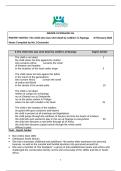
2.The child who was shot dead by soldiers at Nyanga Ingrid Jonker
The child is not dead 1
the child raises his fists against his mother
who screams Africa screams the smell
of freedom and heather
in the locations of the heart under siege 5
The child raises his fists against his father
in the march of the generations
who scream Africa scream the smell
of justice and blood
in the streets of his armed pride 10
The child is not dead
neither at Langa nor at Nyanga
nor at Orlando nor at Sharpeville
nor at the police station in Philippi
where he lies with a bullet in his head 15
The child is the shadow of the soldiers
on guard with guns saracens and batons
the child is present at all meetings and legislations
the child peeps through the windows of houses and into the hearts of mothers
the child who just wanted to play in the sun at Nyanga is everywhere 20
the child who became a man treks through all of Africa
the child who became a giant travels through the whole world
Without a pass
Poet - Ingrid Jonker
Born 1933; Died 1965
(Afrikaans) South African
She had a traumatic childhood and adulthood. Her poetry often expresses her personal
traumas, as well as the societal and familial injustices she perceived around her.
She was a member of “Die Sestigers”, a group of anti-establishment poets and writers who
challenged the conservative literary norms and censorship of the 1950s and 60s in South
Africa.
1
, She posthumously (after her death) received the Order of Ikhamanga for her contribution to
literature and commitment to the struggle for human rights.
Historical Context:
Jonker wrote protest poetry in Afrikaans, in the aftermath of the Sharpeville massacre. (The
Sharpeville massacre occurred on 21 March 1960 at the police station in the township of
Sharpeville in the then Transvaal Province of the then Union of South Africa (today part of
Gauteng). After demonstrating against pass laws, a crowd of about 7000 protesters went to
the police station. Sources disagree about the behaviour of the crowd; some stated that the
crowd was peaceful, while others stated that the crowd had been hurling stones at the police,
and that the mood had turned "ugly". The South African Police opened fire on the crowd when
the crowd started advancing toward the fence around the police station, after the tear-gas had
proved ineffectual. There were 249 victims in total, including 29 children, with 69 people killed
and 180 injured. Some were shot in the back as they fled.
Writing in Drum magazine about the poem, Jonker said: “I saw the mother as every mother in
the world. I saw her as myself. I saw Simone (Jonker’s own child) as the baby. I could not sleep.
I thought of what the child might have been had he been allowed to live. I thought what could be
reached, what could be gained by death? The child wanted no part in the circumstances in
which our country is grasped… He only wanted to play in the sun at Nyanga… [The poem] grew
out of my sense of bereavement.”
Jack Cope and William Plomer translated the poem. In Afrikaans it is referred to as “Die Kind”
(The Child). Nelson Mandela read an English translation at the opening of the democratic
Parliament on 24 May 1994
Diction
Word Meaning
Heather A plant with small flowers
Siege Attack
Saracens An armoured car that is synonymous with Apartheid in South
Africa
Pass A permit issued to black people during Apartheid. It specified
an area in which a black person may move/work/live.
Summary:
The poem reflects on the pass laws of Apartheid South Africa. Jonker wrote this poem in
reaction to the shooting of a young child in his mother’s arms during a protest against the Pass
Laws. This happened in Nyanga township, near Cape Town. The child was killed while on his
way to the doctor with his mother – the senselessness of his death is a result of the
senselessness of the Apartheid laws. This child remains nameless to represent all innocent
lives taken during Apartheid. The poem highlights the idea that violence within a country
destroys innocent members of society (women and children) and damages the country and its
future. This child’s death has inspired others to take up the cause of freedom and given new
energy to the struggle against Apartheid. Jonker yearns for a time when any child can grow and
make his/her impact on the world, without restrictions of the Pass Laws.
Form/Structure:
Although this poem is separated into four sections, it is devoid of a specific rhyme scheme or
rhythm. It is, therefore, in free verse. The isolated final line emphasises the poet’s message:
freedom is needed! The fourth stanza develops the idea of this child’s wasted life – what he
2
POETRY NOTES: The child who was shot dead by soldiers in Nyanga 8 February 2025
Notes Compiled by Ms J.Govender
2.The child who was shot dead by soldiers at Nyanga Ingrid Jonker
The child is not dead 1
the child raises his fists against his mother
who screams Africa screams the smell
of freedom and heather
in the locations of the heart under siege 5
The child raises his fists against his father
in the march of the generations
who scream Africa scream the smell
of justice and blood
in the streets of his armed pride 10
The child is not dead
neither at Langa nor at Nyanga
nor at Orlando nor at Sharpeville
nor at the police station in Philippi
where he lies with a bullet in his head 15
The child is the shadow of the soldiers
on guard with guns saracens and batons
the child is present at all meetings and legislations
the child peeps through the windows of houses and into the hearts of mothers
the child who just wanted to play in the sun at Nyanga is everywhere 20
the child who became a man treks through all of Africa
the child who became a giant travels through the whole world
Without a pass
Poet - Ingrid Jonker
Born 1933; Died 1965
(Afrikaans) South African
She had a traumatic childhood and adulthood. Her poetry often expresses her personal
traumas, as well as the societal and familial injustices she perceived around her.
She was a member of “Die Sestigers”, a group of anti-establishment poets and writers who
challenged the conservative literary norms and censorship of the 1950s and 60s in South
Africa.
1
, She posthumously (after her death) received the Order of Ikhamanga for her contribution to
literature and commitment to the struggle for human rights.
Historical Context:
Jonker wrote protest poetry in Afrikaans, in the aftermath of the Sharpeville massacre. (The
Sharpeville massacre occurred on 21 March 1960 at the police station in the township of
Sharpeville in the then Transvaal Province of the then Union of South Africa (today part of
Gauteng). After demonstrating against pass laws, a crowd of about 7000 protesters went to
the police station. Sources disagree about the behaviour of the crowd; some stated that the
crowd was peaceful, while others stated that the crowd had been hurling stones at the police,
and that the mood had turned "ugly". The South African Police opened fire on the crowd when
the crowd started advancing toward the fence around the police station, after the tear-gas had
proved ineffectual. There were 249 victims in total, including 29 children, with 69 people killed
and 180 injured. Some were shot in the back as they fled.
Writing in Drum magazine about the poem, Jonker said: “I saw the mother as every mother in
the world. I saw her as myself. I saw Simone (Jonker’s own child) as the baby. I could not sleep.
I thought of what the child might have been had he been allowed to live. I thought what could be
reached, what could be gained by death? The child wanted no part in the circumstances in
which our country is grasped… He only wanted to play in the sun at Nyanga… [The poem] grew
out of my sense of bereavement.”
Jack Cope and William Plomer translated the poem. In Afrikaans it is referred to as “Die Kind”
(The Child). Nelson Mandela read an English translation at the opening of the democratic
Parliament on 24 May 1994
Diction
Word Meaning
Heather A plant with small flowers
Siege Attack
Saracens An armoured car that is synonymous with Apartheid in South
Africa
Pass A permit issued to black people during Apartheid. It specified
an area in which a black person may move/work/live.
Summary:
The poem reflects on the pass laws of Apartheid South Africa. Jonker wrote this poem in
reaction to the shooting of a young child in his mother’s arms during a protest against the Pass
Laws. This happened in Nyanga township, near Cape Town. The child was killed while on his
way to the doctor with his mother – the senselessness of his death is a result of the
senselessness of the Apartheid laws. This child remains nameless to represent all innocent
lives taken during Apartheid. The poem highlights the idea that violence within a country
destroys innocent members of society (women and children) and damages the country and its
future. This child’s death has inspired others to take up the cause of freedom and given new
energy to the struggle against Apartheid. Jonker yearns for a time when any child can grow and
make his/her impact on the world, without restrictions of the Pass Laws.
Form/Structure:
Although this poem is separated into four sections, it is devoid of a specific rhyme scheme or
rhythm. It is, therefore, in free verse. The isolated final line emphasises the poet’s message:
freedom is needed! The fourth stanza develops the idea of this child’s wasted life – what he
2