Aston University, Birmingham (ASTON)
Latest uploads at Aston University, Birmingham (ASTON). Looking for notes at Aston University, Birmingham (ASTON)? We have lots of notes, study guides and revision notes available for your school.
-
501
-
4
-
24
Courses at Aston University, Birmingham (ASTON)
Notes available for the following courses at Aston University, Birmingham (ASTON)
Latest content Aston University, Birmingham (ASTON)
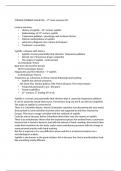
• History of syphilis - 21st century syphilis • Epidemiology of 21st century syphilis • Treponema pallidum –physiology and virulence factors • Clinical manifestations of syphilis • Laboratory diagnosis (non culture techniques) • Treatment / prevention
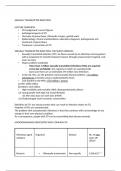
LECTURE OVERVIEW. • STI background; current figures • Aetiological agents of STI • Overview of gonorrhoea, chlamydia, herpes, genital warts • Epidemiology, clinical manifestations, laboratory diagnosis, pathogenesis and treatment of gonorrhoea • Treatment / prevention of STI
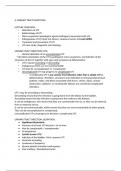
• Definitions of UTI • Epidemiology of UTI • Micro-organisms (aetiological agents/pathogens) associated with UTI • Pathogenesis of UTI (host risk factors; virulence factors of E.coli (UPEC) • Treatment and prevention of UTI • UTI case study: diagnostic microbiology
LECTURE OVERVIEW. Mycobacteria Epidemiology of Tuberculosis Pathogenesis of pulmonary TB and clinical presentation Laboratory diagnosis Treatment of pulmonary TB: British Thoracic Society guidelines and NICE guidelines
LECTURE OVERVIEW. • Acute/ Chronic LRTI (focus on pneumonia) • Clinical manifestations, associated microorganisms and treatment of community acquired pneumonia (CAP) and hospital acquired pneumonia (HAP) • Streptococcus pneumoniae: virulence factors • Case study: pneumococcal pneumonia –specimens, common diagnostic procedures, health and safety issues • Treatment • Pneumococcal vaccination
LECTURE OVERVIEW • Normal flora of the URT • Primary and secondary bacterial invaders • Clinical manifestations, associated microorganisms and treatment options for common URTI • Streptococcus pyogenes (Group A Strep): virulence factors • Case study: laboratory diagnosis of streptococcal (group A) tonsillitis; the diagnostic template • Important to know what the normal flora is so that we can see what it is we are looking for. • Extra-reading – other microorganisms causin...
Aims of the clinical microbiology laboratory. • To provide accurate information about the presence or absence of microorganisms from a clinical specimen • To provide antimicrobial susceptibility information on the microorganism(s) recovered • Accurate diagnosis and sensitivity testing: (a) Successful treatment of infection (b) Aids in preventing spread of infection (c) Prevents emergence of antibiotic resistance
This document consists of in-depth clinical and food microbiology notes from the module delivered at Aston university. However, this information is very detailed and can apply to all other microbiology courses. This module includes but is not limited to lectures 1-10. 1. introduction to infection 2. role of the clinical laboratory in microbiology 3. upper respiratory tract infection 4. lower respiratory tract infection. 5. tuberculosis and mycobacteria 6.UTI 7. sexually transmitted infection. 8....
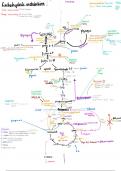
Diagram showing how glucose and lipid metabolism are linked, highlighting the rate limiting steps and key conditions such as glycogen storage diseases, diabetes and obesity. Key: a.a= amino acid RBC= red blood cell orange=enzymes green=promotes reaction dark red=inhibits reaction neon-light blue = glycogen storage diseases Bonus task: research diabetes management, diabetic ketoacidosis, glycogen storage diseases