1
Late Victorian Gothic fictions ‘encode an anxiety about “otherness”, about the possibility of a
dual self, where the externally moral individual masks a primitive “other” within that
threatens to engulf the civilised’ (Linda Dryden). Discuss.
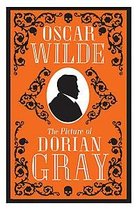
Gothic fiction of the 1880s and 1890s dramatises the late Victorian fear of “otherness”. In fin-
de-siècle Britain, the concept of racial and cultural degeneration spawned fears of a primitive
“other”. This fear is encoded in The Strange Case of Dr Jekyll and Mr Hyde (1886) and The
Picture of Dorian Gray (1891). In both texts a primitive “other” threateningly lurks within
externally moral men. Indeed, both Stevenson and Wilde suggest that the threat of “otherness”
comes from within the respectable classes and therefore has the power to engulf civilised
Britain.
Dr Jekyll and Mr Hyde fictionalises late Victorian fears of racial and cultural
degeneration. Victorian Britain was increasingly concerned with the decline of British
civilisation, and the concept of degeneration, based on Darwinian theories of evolution,
became a prominent discourse. Edwin Ray Lankester, writing in 1880, defined degeneration
as the moment when an organism ‘becomes adapted to less varied and less complex
conditions of life.’1 Applied to the human race, this theory was used by Victorians to
designate the primitive “other”. Racial “others”, for example, were considered to have
‘descended from ancestors more cultivated than themselves.’2 Similarly, criminals were often
associated with atavism and considered to be a ‘subdivision of degenerates.’3 Consequently,
working-class London districts, populated by racial and criminal “others”, were broadly
defined as primitive. Stevenson, however, subverts the association of degeneracy with the
uncivilised, and locates the threat firmly within the professional classes. In Dr Jekyll and Mr
Hyde, the threat of the primitive “other” is internalised, becoming the generic condition of the
professional man. The “troglodytic”4 and ‘ape-like’ (J, p.47) Hyde is the manifestation of
Jekyll’s primitive “other”. In Stevenson’s text, therefore, late Victorian anxieties about a
primitive “other” are internalised within a professional middle-class man.
, 2
Indeed, Dr Jekyll’s semblance of respectability masks a primitive “other” within. As
Dryden acknowledges, monitoring the moral health of the nation at the fin-de-siècle was
linked to ‘fears that civilised behaviour meant suppressing an essential primitive self.’5
Stevenson implies that Jekyll experiences this predicament. Although he had a ‘certain gaiety
of disposition’ (J, p.81), Jekyll was obliged to wear a ‘grave countenance before the public’
(J, p.81). This disjunction led Jekyll into a ‘profound duplicity of life’ (J, p.81). Fatally, Jekyll
recognises his conflicting natures, and succeeds to separate his primitive “other” from his
civilised self. As Glennis Byron indicates, Hyde represents the ‘more primitive or
rudimentary aspect of the human psyche.’6 As Jekyll’s primitive “other” occupies a different
body, Jekyll can enact his repressed desires through Hyde while maintaining his
respectability. For example, Jekyll transforms into Hyde and violates a young woman. This
incident can be interpreted as an implied metaphor for prostitution. Hyde ‘trampled calmly
over the child’s body’ (J, p.31) and ‘left her screaming on the ground’ (J, p.31). This analysis
is substantiated when Hyde settles the incident with ‘a hundred pounds’ (J, p.32). However,
by taking an antidote potion, Jekyll can revert to his civilised self, free from blame. Hyde,
therefore, reveals ‘how savage and uncontrollable the instincts can become when their power
and value are denied.’7 In Dr Jekyll and Mr Hyde, Stevenson dramatises how a primitive
“other” can be masked behind an externally moral veneer.
Furthermore, the primitive “other” within the professional class man threatens to
engulf late Victorian civilisation. As Arata argues, Dr Jekyll and Mr Hyde ‘turns the class
discourses of atavism and criminality back on the bourgeoisie itself.’8 Significantly, Dr Jekyll
inhabits the realm of middle-class virtue, surrounding himself with ‘intelligent reputable men’
(J, p.43). These professional men are bound together by a mutual agreement to protect the
reputation of their class. For instance, although he had been caught assaulting a young
woman, Enfield and the Doctor protect Hyde. Enfield explains that they ‘were keeping the
Late Victorian Gothic fictions ‘encode an anxiety about “otherness”, about the possibility of a
dual self, where the externally moral individual masks a primitive “other” within that
threatens to engulf the civilised’ (Linda Dryden). Discuss.
Gothic fiction of the 1880s and 1890s dramatises the late Victorian fear of “otherness”. In fin-
de-siècle Britain, the concept of racial and cultural degeneration spawned fears of a primitive
“other”. This fear is encoded in The Strange Case of Dr Jekyll and Mr Hyde (1886) and The
Picture of Dorian Gray (1891). In both texts a primitive “other” threateningly lurks within
externally moral men. Indeed, both Stevenson and Wilde suggest that the threat of “otherness”
comes from within the respectable classes and therefore has the power to engulf civilised
Britain.
Dr Jekyll and Mr Hyde fictionalises late Victorian fears of racial and cultural
degeneration. Victorian Britain was increasingly concerned with the decline of British
civilisation, and the concept of degeneration, based on Darwinian theories of evolution,
became a prominent discourse. Edwin Ray Lankester, writing in 1880, defined degeneration
as the moment when an organism ‘becomes adapted to less varied and less complex
conditions of life.’1 Applied to the human race, this theory was used by Victorians to
designate the primitive “other”. Racial “others”, for example, were considered to have
‘descended from ancestors more cultivated than themselves.’2 Similarly, criminals were often
associated with atavism and considered to be a ‘subdivision of degenerates.’3 Consequently,
working-class London districts, populated by racial and criminal “others”, were broadly
defined as primitive. Stevenson, however, subverts the association of degeneracy with the
uncivilised, and locates the threat firmly within the professional classes. In Dr Jekyll and Mr
Hyde, the threat of the primitive “other” is internalised, becoming the generic condition of the
professional man. The “troglodytic”4 and ‘ape-like’ (J, p.47) Hyde is the manifestation of
Jekyll’s primitive “other”. In Stevenson’s text, therefore, late Victorian anxieties about a
primitive “other” are internalised within a professional middle-class man.
, 2
Indeed, Dr Jekyll’s semblance of respectability masks a primitive “other” within. As
Dryden acknowledges, monitoring the moral health of the nation at the fin-de-siècle was
linked to ‘fears that civilised behaviour meant suppressing an essential primitive self.’5
Stevenson implies that Jekyll experiences this predicament. Although he had a ‘certain gaiety
of disposition’ (J, p.81), Jekyll was obliged to wear a ‘grave countenance before the public’
(J, p.81). This disjunction led Jekyll into a ‘profound duplicity of life’ (J, p.81). Fatally, Jekyll
recognises his conflicting natures, and succeeds to separate his primitive “other” from his
civilised self. As Glennis Byron indicates, Hyde represents the ‘more primitive or
rudimentary aspect of the human psyche.’6 As Jekyll’s primitive “other” occupies a different
body, Jekyll can enact his repressed desires through Hyde while maintaining his
respectability. For example, Jekyll transforms into Hyde and violates a young woman. This
incident can be interpreted as an implied metaphor for prostitution. Hyde ‘trampled calmly
over the child’s body’ (J, p.31) and ‘left her screaming on the ground’ (J, p.31). This analysis
is substantiated when Hyde settles the incident with ‘a hundred pounds’ (J, p.32). However,
by taking an antidote potion, Jekyll can revert to his civilised self, free from blame. Hyde,
therefore, reveals ‘how savage and uncontrollable the instincts can become when their power
and value are denied.’7 In Dr Jekyll and Mr Hyde, Stevenson dramatises how a primitive
“other” can be masked behind an externally moral veneer.
Furthermore, the primitive “other” within the professional class man threatens to
engulf late Victorian civilisation. As Arata argues, Dr Jekyll and Mr Hyde ‘turns the class
discourses of atavism and criminality back on the bourgeoisie itself.’8 Significantly, Dr Jekyll
inhabits the realm of middle-class virtue, surrounding himself with ‘intelligent reputable men’
(J, p.43). These professional men are bound together by a mutual agreement to protect the
reputation of their class. For instance, although he had been caught assaulting a young
woman, Enfield and the Doctor protect Hyde. Enfield explains that they ‘were keeping the