5 Leases and Leasehold Covenants
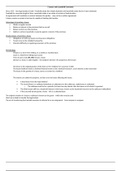
Since 1925 – two legal estates in land = freehold estate (fee simple absolute) and leasehold estate (term of years absolute)
Freehold for uncertain length of time. Leasehold estate is an estate of certain or fixed duration
An agreement will constitute a contract between the parties – may not be a written agreement
A lease creates an estate in land and is capable of binding third parties
Advantages of granting a lease;
Obtain a regular income
Retain an interest in the premises that he can sell
Retain control over the premises
Ability to enforce leasehold covenants against a tenant of the premises
Disadvantages of granting a lease;
Obligations to fulfil, eg repairs and insurance obligations
Tenant may not be reliable/trustworthy
Potential difficulty in regaining possession of the premises
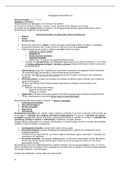
Terminology
Tenancy is a short-term letting, on a weekly or monthly basis
Lease is a fixed-term letting (eg 3 years)
Term of years in s1 LPA 1925 means a lease
Demise is a lease, in older English – the landlord ‘demises’ the property to the tenant
The lessor is the original grantor of the lease or the ‘landlord’ for successor in title
The lessor/landlord retains a freehold interest known as the ‘freehold reversion’, and is known as the reversioner
The lessee in the grantee of a lease; same as a tenant to a landlord
The tenant can sublet the property, so there are two leases affecting the house;
A head lease from the head landlord
The second lease is a sublease/underlease or subtenancy to the sublessee, underlessee or subtenant
o The sublease must be for a period of at least one day shorter than the lease out of which it is granted
The (first) tenant still has a leasehold interest in the house, known as the leasehold reversion to the sublessor/sublandlord
If the (second) tenant grants a lease – this is a subunderlease
The original creation of a lease or sublease is known as the grant – which then may be sold
Must use a deed to transfer the legal estate
The act of transferring the freehold reversion is referred to as an assignment – from assignor to assignee
Since 1925 – two legal estates in land = freehold estate (fee simple absolute) and leasehold estate (term of years absolute)
Freehold for uncertain length of time. Leasehold estate is an estate of certain or fixed duration
An agreement will constitute a contract between the parties – may not be a written agreement
A lease creates an estate in land and is capable of binding third parties
Advantages of granting a lease;
Obtain a regular income
Retain an interest in the premises that he can sell
Retain control over the premises
Ability to enforce leasehold covenants against a tenant of the premises
Disadvantages of granting a lease;
Obligations to fulfil, eg repairs and insurance obligations
Tenant may not be reliable/trustworthy
Potential difficulty in regaining possession of the premises
Terminology
Tenancy is a short-term letting, on a weekly or monthly basis
Lease is a fixed-term letting (eg 3 years)
Term of years in s1 LPA 1925 means a lease
Demise is a lease, in older English – the landlord ‘demises’ the property to the tenant
The lessor is the original grantor of the lease or the ‘landlord’ for successor in title
The lessor/landlord retains a freehold interest known as the ‘freehold reversion’, and is known as the reversioner
The lessee in the grantee of a lease; same as a tenant to a landlord
The tenant can sublet the property, so there are two leases affecting the house;
A head lease from the head landlord
The second lease is a sublease/underlease or subtenancy to the sublessee, underlessee or subtenant
o The sublease must be for a period of at least one day shorter than the lease out of which it is granted
The (first) tenant still has a leasehold interest in the house, known as the leasehold reversion to the sublessor/sublandlord
If the (second) tenant grants a lease – this is a subunderlease
The original creation of a lease or sublease is known as the grant – which then may be sold
Must use a deed to transfer the legal estate
The act of transferring the freehold reversion is referred to as an assignment – from assignor to assignee