CHRISTINA GEORGINA ROSSETTI CONTEXT.
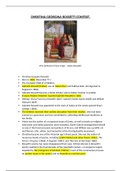
(The Girlhood of Mary Virgin – Dante Rossetti).
Christina Georgina Rossetti.
Born in 1830. (December 5th.)
The Youngest Child of 4 Children.
Gabriele Rossetti (Father) was an Italian Poet and Political Exile. (Immigrated to
England in 1824).
Gabriele Rossetti became a Dante Scholar and an Italian Teacher in London.
Frances Polidori (Mother) married Gabriele Rossetti in 1826.
Siblings: Maria Francesca Rossetti (1827), Gabriel Charles Dante (1828) and William
Michael (1829).
Gabriele Rossetti was appointed to the chair of Italian at the newly opened King’s
College. (1831).
The children received their earliest education from their mother, who had been
trained as a governess and was committed to cultivating intellectual excellence in
her family.
Maria was the author of a respected study of Dante, as well as books on religious
instruction and Italian grammar and translation; Dante Gabriel distinguished himself
as one of the foremost poets and painters of his era; and William was a prolific art
and literary critic, editor, and memoirist of the Pre-Raphaelite movement.
Christina became one of the Victorian age’s finest poets. She was the author of
numerous books of poetry, including Goblin Market and other Poems (1862), The
Prince’s Progress (1866), A Pageant (1881), and The Face of the Deep (1882).
Rossetti’s poetry has never disappeared from view. Critical interest in Rossetti’s
poetry swelled in the final decades of the twentieth century, a resurgence largely
impelled by the emergence of feminist criticism; much of this commentary focuses
on gender issues in her poetry and on Rossetti as a woman poet.
, In Rossetti’s lifetime opinion was divided over whether she or Elizabeth Barrett
Browning was the greatest female poet of the era; in any case, after Browning’s
death in 1861 readers and critics saw Rossetti as the older poet’s rightful successor.
The two poets achieved different kinds of excellence, as is evident in Dante Gabriel
Rossetti‘s comment on his sister, quoted by William Sharp in The Atlantic Monthly
(June 1895): “She is the finest woman-poet since Mrs. Browning, by a long way; and
in artless art, if not in intellectual impulse, is greatly Mrs. Browning’s superior.”
Readers have generally considered Rossetti’s poetry less intellectual, less political,
and less varied than Browning’s; conversely, they have acknowledged Rossetti as
having the greater lyric gift, with her poetry displaying a perfection of diction, tone,
and form under the guise of utter simplicity.
Rossetti’s childhood was exceptionally happy, characterized by affectionate parental
care and the creative companionship of older siblings.
Christina was given to tantrums and fractious behaviour, and she fought hard to
subdue this passionate temper. Years later, counselling a niece subject to similar
outbursts, the mature Christina looked back on the fire now stifled: “You must not
imagine, my dear girl, that your Aunt was always the calm and sedate person you
now behold. I, too, had a very passionate temper; but I learnt to control it. On one
occasion, being rebuked by my dear Mother for some fault, I seized upon a pair of
scissors, and ripped up my arm to vent my wrath. I have learnt since to control my
feelings—and no doubt you will!”.
Self-control was, indeed, achieved—perhaps too much so. In his posthumous
memoir of his sister that prefaces The Poetical Works of Christina Georgina Rossetti
(1904) William laments the thwarting of her high spirits: “In innate character she was
vivacious, and open to pleasurable impressions; and, during her girlhood, one might
readily have supposed that she would develop into a woman of expansive heart,
fond of society and diversions, and taking a part in them of more than average
brilliancy. What came to pass was of course quite the contrary.”
As an adult Christina Rossetti was considered by many to be over scrupulous and
excessively restrained.
Frances Rossetti read to her children, favouring religious texts such as the Bible, John
Bunyan‘s The Pilgrim’s Progress (1678), and the writings of St. Augustine, or
moralistic tales such as those by Maria Edgeworth.
When the children began reading for themselves, however, they generally shunned
their mother’s edifying selections in favour of the imaginative delights of The
Arabian Nights or Thomas Keightley’s Fairy Mythology (1828); later favourites
included Sir Walter Scott, Ann Radcliffe, and Matthew Gregory “Monk” Lewis.
Until 1836, when the boys began attending day school, the four children were
offered similar instruction by their mother; thereafter, only Dante Gabriel and
William were formally instructed in classics, mathematics, and sciences.
At Gaetano Polidori’s cottage at Holmer Green she fostered the attention to the
minute in nature that marks her poetry; there she also observed the corruptibility
and mortality that became keynotes in her work.
(The Girlhood of Mary Virgin – Dante Rossetti).
Christina Georgina Rossetti.
Born in 1830. (December 5th.)
The Youngest Child of 4 Children.
Gabriele Rossetti (Father) was an Italian Poet and Political Exile. (Immigrated to
England in 1824).
Gabriele Rossetti became a Dante Scholar and an Italian Teacher in London.
Frances Polidori (Mother) married Gabriele Rossetti in 1826.
Siblings: Maria Francesca Rossetti (1827), Gabriel Charles Dante (1828) and William
Michael (1829).
Gabriele Rossetti was appointed to the chair of Italian at the newly opened King’s
College. (1831).
The children received their earliest education from their mother, who had been
trained as a governess and was committed to cultivating intellectual excellence in
her family.
Maria was the author of a respected study of Dante, as well as books on religious
instruction and Italian grammar and translation; Dante Gabriel distinguished himself
as one of the foremost poets and painters of his era; and William was a prolific art
and literary critic, editor, and memoirist of the Pre-Raphaelite movement.
Christina became one of the Victorian age’s finest poets. She was the author of
numerous books of poetry, including Goblin Market and other Poems (1862), The
Prince’s Progress (1866), A Pageant (1881), and The Face of the Deep (1882).
Rossetti’s poetry has never disappeared from view. Critical interest in Rossetti’s
poetry swelled in the final decades of the twentieth century, a resurgence largely
impelled by the emergence of feminist criticism; much of this commentary focuses
on gender issues in her poetry and on Rossetti as a woman poet.
, In Rossetti’s lifetime opinion was divided over whether she or Elizabeth Barrett
Browning was the greatest female poet of the era; in any case, after Browning’s
death in 1861 readers and critics saw Rossetti as the older poet’s rightful successor.
The two poets achieved different kinds of excellence, as is evident in Dante Gabriel
Rossetti‘s comment on his sister, quoted by William Sharp in The Atlantic Monthly
(June 1895): “She is the finest woman-poet since Mrs. Browning, by a long way; and
in artless art, if not in intellectual impulse, is greatly Mrs. Browning’s superior.”
Readers have generally considered Rossetti’s poetry less intellectual, less political,
and less varied than Browning’s; conversely, they have acknowledged Rossetti as
having the greater lyric gift, with her poetry displaying a perfection of diction, tone,
and form under the guise of utter simplicity.
Rossetti’s childhood was exceptionally happy, characterized by affectionate parental
care and the creative companionship of older siblings.
Christina was given to tantrums and fractious behaviour, and she fought hard to
subdue this passionate temper. Years later, counselling a niece subject to similar
outbursts, the mature Christina looked back on the fire now stifled: “You must not
imagine, my dear girl, that your Aunt was always the calm and sedate person you
now behold. I, too, had a very passionate temper; but I learnt to control it. On one
occasion, being rebuked by my dear Mother for some fault, I seized upon a pair of
scissors, and ripped up my arm to vent my wrath. I have learnt since to control my
feelings—and no doubt you will!”.
Self-control was, indeed, achieved—perhaps too much so. In his posthumous
memoir of his sister that prefaces The Poetical Works of Christina Georgina Rossetti
(1904) William laments the thwarting of her high spirits: “In innate character she was
vivacious, and open to pleasurable impressions; and, during her girlhood, one might
readily have supposed that she would develop into a woman of expansive heart,
fond of society and diversions, and taking a part in them of more than average
brilliancy. What came to pass was of course quite the contrary.”
As an adult Christina Rossetti was considered by many to be over scrupulous and
excessively restrained.
Frances Rossetti read to her children, favouring religious texts such as the Bible, John
Bunyan‘s The Pilgrim’s Progress (1678), and the writings of St. Augustine, or
moralistic tales such as those by Maria Edgeworth.
When the children began reading for themselves, however, they generally shunned
their mother’s edifying selections in favour of the imaginative delights of The
Arabian Nights or Thomas Keightley’s Fairy Mythology (1828); later favourites
included Sir Walter Scott, Ann Radcliffe, and Matthew Gregory “Monk” Lewis.
Until 1836, when the boys began attending day school, the four children were
offered similar instruction by their mother; thereafter, only Dante Gabriel and
William were formally instructed in classics, mathematics, and sciences.
At Gaetano Polidori’s cottage at Holmer Green she fostered the attention to the
minute in nature that marks her poetry; there she also observed the corruptibility
and mortality that became keynotes in her work.