,Chapter 01: Essential Concepts of Radiologic Science
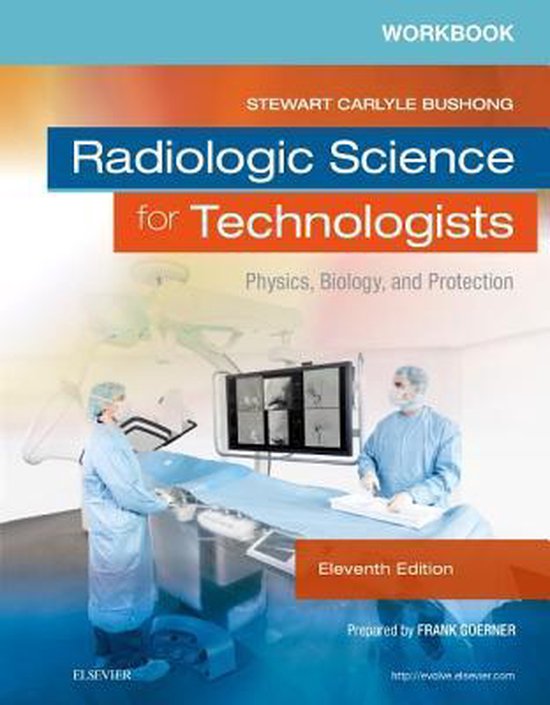
Bushong: Radiologic Science for Technologists, 12th Edition
MULTIPLE CHOICE
1. Matter is measured in .
a. kilograms
b. joules
c. electron volts
d. rems
ANS: A
Matter is measured in kilograms.
2. Atoms and molecules are the fundamental building blocks of .
a. energy
b. radiation
c. matter
d. gravity
ANS: C
Atoms and molecules are the fundamental building blocks of matter.
3. Ice and steam are examples of two forms of .
a. matter
b. radiation
c. energy
d. work
ANS: A
Ice and steam are examples of two forms of matter.
4. The formula E = mc2 is the basis for the theory that led to the development of .
a. x-rays
b. electromagnetic radiation
c. nuclear power
d. cathode ray tubes
ANS: C
The formula E = mc2 is the basis for the theory that led to the development of nuclear power.
5. Radio waves, light, and x-rays are all examples of energy.
a. nuclear
b. thermal
c. electrical
d. electromagnetic
ANS: D
Electromagnetic energy includes radio waves, light, and x-rays as well as other parts of the
spectrum.
, 6. A moving object has energy.
a. potential
b. kinetic
c. nuclear
d. electromagnetic
ANS: B
A moving object has kinetic energy.
7. What is the removal of an electron from an atom called?
a. Ionization
b. Pair production
c. Irradiation
d. Electricity
ANS: A
The removal of an electron from an atom is called ionization.
8. Ionizing radiation is capable of removing from atoms as it passes through the
matter.
a. neutrons
b. protons
c. electrons
d. ions
ANS: C
Ionizing radiation is capable of removing electrons from atoms as it passes through the matter.
9. The energy of x-rays is _ .
a. thermal
b. potential
c. kinetic
d. electromagnetic
ANS: D
X-rays are a form of electromagnetic energy.
10. The biggest source of man-made ionizing radiation exposure to the public is
.
a. atomic fallout
b. diagnostic x-rays
c. smoke detectors
d. nuclear power plants
ANS: B
Medical x-ray exposure is the biggest source of man-made radiation.
11. In the United States, we are exposed to _ mSv/year of ionizing radiation from the
natural environment.
a. 0 to 5
b. 5 to 20
c. 20 to 90
, d. 100 to 300
ANS: A
We are exposed to about 3 mSv/yr of ionizing radiation from natural environmental sources in
the United States.
12. is a special quantity of radiologic science.
a. Mass
b. Velocity
c. Radioactivity
d. Momentum
ANS: C
Radioactivity is a special quantity of radiologic science.
13. Today, radiology is considered to be a(n) occupation.
a. safe
b. unsafe
c. dangerous
d. high-risk
ANS: A
Today, radiology is considered to be a safe occupation because of effective radiation
protection practices.
14. What does ALARA mean?
a. All Level Alert Radiation Accident
b. As Low As Reasonably Achievable
c. Always Leave A Restricted Area
d. As Low As Regulations Allow
ANS: B
ALARA means As Low As Reasonably Achievable.
15. Computed tomography was developed in the .
a. 1890s
b. 1920s
c. 1970s
d. 1990s
ANS: C
Computed tomography was developed in the 1970s.
16. Filtration is used to .
a. absorb low-energy x-rays
b. remove high-energy x-rays
c. restrict the useful beam to the body part imaged
d. fabricate gonadal shields
ANS: A
Filtration is used to absorb low-energy x-rays.
Bushong: Radiologic Science for Technologists, 12th Edition
MULTIPLE CHOICE
1. Matter is measured in .
a. kilograms
b. joules
c. electron volts
d. rems
ANS: A
Matter is measured in kilograms.
2. Atoms and molecules are the fundamental building blocks of .
a. energy
b. radiation
c. matter
d. gravity
ANS: C
Atoms and molecules are the fundamental building blocks of matter.
3. Ice and steam are examples of two forms of .
a. matter
b. radiation
c. energy
d. work
ANS: A
Ice and steam are examples of two forms of matter.
4. The formula E = mc2 is the basis for the theory that led to the development of .
a. x-rays
b. electromagnetic radiation
c. nuclear power
d. cathode ray tubes
ANS: C
The formula E = mc2 is the basis for the theory that led to the development of nuclear power.
5. Radio waves, light, and x-rays are all examples of energy.
a. nuclear
b. thermal
c. electrical
d. electromagnetic
ANS: D
Electromagnetic energy includes radio waves, light, and x-rays as well as other parts of the
spectrum.
, 6. A moving object has energy.
a. potential
b. kinetic
c. nuclear
d. electromagnetic
ANS: B
A moving object has kinetic energy.
7. What is the removal of an electron from an atom called?
a. Ionization
b. Pair production
c. Irradiation
d. Electricity
ANS: A
The removal of an electron from an atom is called ionization.
8. Ionizing radiation is capable of removing from atoms as it passes through the
matter.
a. neutrons
b. protons
c. electrons
d. ions
ANS: C
Ionizing radiation is capable of removing electrons from atoms as it passes through the matter.
9. The energy of x-rays is _ .
a. thermal
b. potential
c. kinetic
d. electromagnetic
ANS: D
X-rays are a form of electromagnetic energy.
10. The biggest source of man-made ionizing radiation exposure to the public is
.
a. atomic fallout
b. diagnostic x-rays
c. smoke detectors
d. nuclear power plants
ANS: B
Medical x-ray exposure is the biggest source of man-made radiation.
11. In the United States, we are exposed to _ mSv/year of ionizing radiation from the
natural environment.
a. 0 to 5
b. 5 to 20
c. 20 to 90
, d. 100 to 300
ANS: A
We are exposed to about 3 mSv/yr of ionizing radiation from natural environmental sources in
the United States.
12. is a special quantity of radiologic science.
a. Mass
b. Velocity
c. Radioactivity
d. Momentum
ANS: C
Radioactivity is a special quantity of radiologic science.
13. Today, radiology is considered to be a(n) occupation.
a. safe
b. unsafe
c. dangerous
d. high-risk
ANS: A
Today, radiology is considered to be a safe occupation because of effective radiation
protection practices.
14. What does ALARA mean?
a. All Level Alert Radiation Accident
b. As Low As Reasonably Achievable
c. Always Leave A Restricted Area
d. As Low As Regulations Allow
ANS: B
ALARA means As Low As Reasonably Achievable.
15. Computed tomography was developed in the .
a. 1890s
b. 1920s
c. 1970s
d. 1990s
ANS: C
Computed tomography was developed in the 1970s.
16. Filtration is used to .
a. absorb low-energy x-rays
b. remove high-energy x-rays
c. restrict the useful beam to the body part imaged
d. fabricate gonadal shields
ANS: A
Filtration is used to absorb low-energy x-rays.