

Control of Blood Glucose and The Endocrine Pancreas
Topics covered
Anatomy of the pancreas
Synthesis of insulin and the control of insulin secretion
Actions of insulin on muscle, fat and liver
Glucose transporters
Synthesis and actions of glucagon
The role in incretins and their potential in treating diabetes type 2
The actions of cortisol, growth hormone and thyroid hormones in
controlling blood glucose
Type 1 and type 2 diabetes defined
Diabetic complications
Insulin maintains constant blood glucose
-Blood glucose is kept within constant limits by insulin, despite periodic intake of
sugar and bursts of exercise requiring fuels
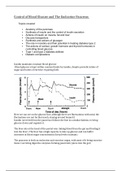
Here we can see on the glucose line, although there are fluctuations with meal, the
fluctuations are not by that much, staying around 5mmol/l
Insulin (secreted from the pancreas) follows the line in a similar fashion, to bring
glucose down and regulate it.
The liver sits at the head of the portal vein (taking blood from the gut and feeding it
into the liver). The liver has a high capacity to take up glucose and can buffer
increases in blood sugar concentration (keep levels constant).
The pancreas is both an endocrine and exocrine organ, with most of it being exocrine
tissue (secreting digestive enzymes forming pancreatic juices into the gut)
, Below we can see the arrangement of cells in the islets of Langerhans which
constitute the endocrine part of the pancreas. The exocrine parts just all join up to
form the pancreatic duct.
The islets form only a small part of the pancreatic mass but receive a very large part
of the pancreatic blood supply.
There are a variety of cell types in the islets, but the main ones are the beta cells
which release insulin and the alpha cells which release glucagon. Beta cells make up
about 60% of each islet.
Topics covered
Anatomy of the pancreas
Synthesis of insulin and the control of insulin secretion
Actions of insulin on muscle, fat and liver
Glucose transporters
Synthesis and actions of glucagon
The role in incretins and their potential in treating diabetes type 2
The actions of cortisol, growth hormone and thyroid hormones in
controlling blood glucose
Type 1 and type 2 diabetes defined
Diabetic complications
Insulin maintains constant blood glucose
-Blood glucose is kept within constant limits by insulin, despite periodic intake of
sugar and bursts of exercise requiring fuels
Here we can see on the glucose line, although there are fluctuations with meal, the
fluctuations are not by that much, staying around 5mmol/l
Insulin (secreted from the pancreas) follows the line in a similar fashion, to bring
glucose down and regulate it.
The liver sits at the head of the portal vein (taking blood from the gut and feeding it
into the liver). The liver has a high capacity to take up glucose and can buffer
increases in blood sugar concentration (keep levels constant).
The pancreas is both an endocrine and exocrine organ, with most of it being exocrine
tissue (secreting digestive enzymes forming pancreatic juices into the gut)
, Below we can see the arrangement of cells in the islets of Langerhans which
constitute the endocrine part of the pancreas. The exocrine parts just all join up to
form the pancreatic duct.
The islets form only a small part of the pancreatic mass but receive a very large part
of the pancreatic blood supply.
There are a variety of cell types in the islets, but the main ones are the beta cells
which release insulin and the alpha cells which release glucagon. Beta cells make up
about 60% of each islet.


