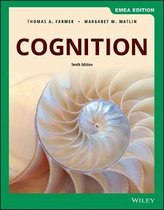
TEST BANK FOR COGNITION 9TH
EDITION BY MATLIN
FOR-COGNITION-9TH-EDITION-BY-
MATLIN
CHAPTER 1: An Introduction to
Cognitive Psychology
,1-1. Which term or phrase is closest in meaning to the term “cognition”?
a. Emotion
b. Mental activity
c. Behavior
d. Social activity
Answer: b
Section Ref: What Is Cognitive Psychology?
Difficulty: Easy
Objective: 1.1
Objective text: Define the term “cognition” and the goals of a cognitive psychologist
Bloom’s Level: Knowledge
1-2. Suppose that a psychologist writes an article on children’s acquisition of gender
stereotypes. Which of the following article titles would be most consistent with
the cognitive approach?
a. “How parents’ reinforcement of behaviors shapes stereotypes”
b. “The effects of classical conditioning on children’s emotional reactions to
gender stereotypes”
c. “How early emotional reactions to parents influence later gender stereotypes”
d. “Children’s memory for gender-consistent
information” Answer: d
Section Ref: What Is Cognitive Psychology?
Difficulty: Medium
Objective: 1.1
Objective text: Define the term “cognition” and the goals of a cognitive psychologist
Bloom’s Level: Application
,1-3. Suppose that you are writing a paper about cognitive processes in people who
are depressed. Which of the following topics would be most relevant for your
paper?
a. Observations of social interactions between people with depression.
b. The effects of vitamin supplements on the activity level of people with depression.
c. The ability of depressed individuals to recall people’s names.
d. The relationship between childhood experiences and current adjustment in
people with depression.
Answer: c
Section Ref: What Is Cognitive Psychology?
Difficulty: Medium
Objective: 1.1
Objective text: Define the term “cognition” and the goals of a cognitive psychologist
Bloom’s Level: Application
1-4. John is reading his Cognitive Psychology textbook. He notices that his stomach is
grumbling, but he thinks, “I will finish this section of the chapter and then go to
lunch.” John’s thought illustrates the cognitive process of .
a. pattern recognition
b. memory
c. imagery
d. decision making
Answer: d
Section Ref: What Is Cognitive Psychology?
Difficulty: Easy
Objective: 1.1
Objective text: Define the term “cognition” and the goals of a cognitive psychologist
Bloom’s Level: Comprehension
1-5. Suppose that several psychologists want to explore interpersonal interactions during
adulthood. Which of the following topics would be most consistent with the
cognitive approach?
a. “How do early childhood experiences contribute to the development of
love relationships during adulthood?”
b. “Can interpersonal attraction be influenced by classical conditioning?”
c. “When meeting someone for the first time, what attribute does a person
perceive most quickly, gender or ethnicity?”
d. “Do people spend less time with depressed individuals, as opposed to
nondepressed individuals?”
Answer: c
Section Ref: What Is Cognitive Psychology?
Difficulty: Medium
Objective: 1.1
, Objective text: Define the term “cognition” and the goals of a cognitive psychologist
Bloom’s Level: Application
1-6. What does the introductory chapter conclude about the influence of cognitive
approaches on other areas of psychology?
a. Cognitive psychology has had very little influence on areas outside
traditional experimental psychology.
b. Cognitive psychology has influenced experiments in some research-oriented
areas of psychology, but it has not yet had an impact on applied areas.
c. Cognitive psychology has influenced disciplines that are concerned with
the behavior of humans as individuals, but it has not yet influenced the
areas of psychology concerned with social interactions.
d. Cognitive psychology has had an important impact on a variety of areas
throughout psychology.
Answer: d
Section Ref: What Is Cognitive Psychology?
Difficulty: Medium
Objective: 1.1
Objective text: Define the term “cognition” and the goals of a cognitive psychologist
Bloom’s Level: Analysis
1-7. Chapter 1 of your Cognition textbook discusses the status of cognitive psychology.
According to this discussion, the cognitive approach
a. primarily emphasizes our unconscious thoughts.
b. can explain a major part of your daily experiences.
c. is prominent within social psychology, but it has not yet been applied to
biological areas of psychology.
d. has had surprisingly little connection with clinical
psychology. Answer: b
Section Ref: What Is Cognitive Psychology?
Difficulty: Easy
Objective: 1.1
Objective text: Define the term “cognition” and the goals of a cognitive psychologist
Bloom’s Level: Comprehension
1-8. According to the introductory chapter in your textbook, the influence of
cognitive psychology
a. has been relatively weak, both within psychology and in other disciplines.
b. has been limited primarily to areas related to education.
c. has not yet reached applied areas of psychology.
d. has extended to other disciplines, such as
neurology. Answer: d
Section Ref: What Is Cognitive Psychology?
Difficulty: Easy
EDITION BY MATLIN
FOR-COGNITION-9TH-EDITION-BY-
MATLIN
CHAPTER 1: An Introduction to
Cognitive Psychology
,1-1. Which term or phrase is closest in meaning to the term “cognition”?
a. Emotion
b. Mental activity
c. Behavior
d. Social activity
Answer: b
Section Ref: What Is Cognitive Psychology?
Difficulty: Easy
Objective: 1.1
Objective text: Define the term “cognition” and the goals of a cognitive psychologist
Bloom’s Level: Knowledge
1-2. Suppose that a psychologist writes an article on children’s acquisition of gender
stereotypes. Which of the following article titles would be most consistent with
the cognitive approach?
a. “How parents’ reinforcement of behaviors shapes stereotypes”
b. “The effects of classical conditioning on children’s emotional reactions to
gender stereotypes”
c. “How early emotional reactions to parents influence later gender stereotypes”
d. “Children’s memory for gender-consistent
information” Answer: d
Section Ref: What Is Cognitive Psychology?
Difficulty: Medium
Objective: 1.1
Objective text: Define the term “cognition” and the goals of a cognitive psychologist
Bloom’s Level: Application
,1-3. Suppose that you are writing a paper about cognitive processes in people who
are depressed. Which of the following topics would be most relevant for your
paper?
a. Observations of social interactions between people with depression.
b. The effects of vitamin supplements on the activity level of people with depression.
c. The ability of depressed individuals to recall people’s names.
d. The relationship between childhood experiences and current adjustment in
people with depression.
Answer: c
Section Ref: What Is Cognitive Psychology?
Difficulty: Medium
Objective: 1.1
Objective text: Define the term “cognition” and the goals of a cognitive psychologist
Bloom’s Level: Application
1-4. John is reading his Cognitive Psychology textbook. He notices that his stomach is
grumbling, but he thinks, “I will finish this section of the chapter and then go to
lunch.” John’s thought illustrates the cognitive process of .
a. pattern recognition
b. memory
c. imagery
d. decision making
Answer: d
Section Ref: What Is Cognitive Psychology?
Difficulty: Easy
Objective: 1.1
Objective text: Define the term “cognition” and the goals of a cognitive psychologist
Bloom’s Level: Comprehension
1-5. Suppose that several psychologists want to explore interpersonal interactions during
adulthood. Which of the following topics would be most consistent with the
cognitive approach?
a. “How do early childhood experiences contribute to the development of
love relationships during adulthood?”
b. “Can interpersonal attraction be influenced by classical conditioning?”
c. “When meeting someone for the first time, what attribute does a person
perceive most quickly, gender or ethnicity?”
d. “Do people spend less time with depressed individuals, as opposed to
nondepressed individuals?”
Answer: c
Section Ref: What Is Cognitive Psychology?
Difficulty: Medium
Objective: 1.1
, Objective text: Define the term “cognition” and the goals of a cognitive psychologist
Bloom’s Level: Application
1-6. What does the introductory chapter conclude about the influence of cognitive
approaches on other areas of psychology?
a. Cognitive psychology has had very little influence on areas outside
traditional experimental psychology.
b. Cognitive psychology has influenced experiments in some research-oriented
areas of psychology, but it has not yet had an impact on applied areas.
c. Cognitive psychology has influenced disciplines that are concerned with
the behavior of humans as individuals, but it has not yet influenced the
areas of psychology concerned with social interactions.
d. Cognitive psychology has had an important impact on a variety of areas
throughout psychology.
Answer: d
Section Ref: What Is Cognitive Psychology?
Difficulty: Medium
Objective: 1.1
Objective text: Define the term “cognition” and the goals of a cognitive psychologist
Bloom’s Level: Analysis
1-7. Chapter 1 of your Cognition textbook discusses the status of cognitive psychology.
According to this discussion, the cognitive approach
a. primarily emphasizes our unconscious thoughts.
b. can explain a major part of your daily experiences.
c. is prominent within social psychology, but it has not yet been applied to
biological areas of psychology.
d. has had surprisingly little connection with clinical
psychology. Answer: b
Section Ref: What Is Cognitive Psychology?
Difficulty: Easy
Objective: 1.1
Objective text: Define the term “cognition” and the goals of a cognitive psychologist
Bloom’s Level: Comprehension
1-8. According to the introductory chapter in your textbook, the influence of
cognitive psychology
a. has been relatively weak, both within psychology and in other disciplines.
b. has been limited primarily to areas related to education.
c. has not yet reached applied areas of psychology.
d. has extended to other disciplines, such as
neurology. Answer: d
Section Ref: What Is Cognitive Psychology?
Difficulty: Easy