TESTBANK v
PharmacotherapeuticsforAdvancedPracticeNursePrescribers,6thEdition
v v v v v v v
Author:TeriMoserWoo and WendyL.Wright
v v v v v v v
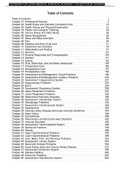
, TABLE OF CONTENT v v
Chapter1. The Role ofthe Advanced Practice Nurse as Prescriber ............................................................................. 4
v v v v v v v v v v
Chapter2. Review of Basic Principles of Pharmacology ........................................................................................... 5
v v v v v v v
Chapter3. Rational Drug Selection ........................................................................................................................ 11
v v v v
Chapter4. Legal and Professional Issues in Prescribing .......................................................................................... 14
v v v v v v v
Chapter5. Adverse Drug Reactions ....................................................................................................................... 16
v v v v
Chapter6. An Introduction to Pharmacogenomics ................................................................................................. 19
v v v v v
Chapter7. Nutrition and Nutraceuticals ................................................................................................................. 22
v v v v
Chapter8. Herbal Therapies .................................................................................................................................. 28
v v v
Chapter9. Cannabis .............................................................................................................................................. 31
v v
Chapter10. Pharmacoeconomics .......................................................................................................................... 35
v v
Chapter11. Drugs Affecting the Autonomic Nervous System ................................................................................ 38
v v v v v v v
Chapter12. Drugs Affecting the Central Nervous System....................................................................................... 45
v v v v v v v
Chapter13. Drugs Affecting the Cardiovascular and Renal Systems ....................................................................... 53
v v v v v v v v
Chapter14. Drugs Affecting the Respiratory System ............................................................................................. 61
v v v v v v
Chapter15. Drugs Affectingthe Hematological System......................................................................................... 65
v v v v v v
Chapter16. Drugs Affecting the Immune System: Vaccines and Immunoglobulins ................................................ 69
v v v v v v v v v
Chapter17. Drugs Affecting the ImmuneSystem: Immunomodulators .................................................................. 75
v v v v v v v
Chapter18. Drugs Affectingthe Gastrointestinal System ....................................................................................... 77
v v v v v v
Chapter19.DrugsAffectingtheEndocrineSystem:PancreaticHormonesand Antidiabetic Drugs .......................... 80
v v v v v v v v v v v
Chapter20. Drugs Affecting the Endocrine System: Pituitary, Thyroid, and Adrenal Drugs..................................... 83
v v v v v v v v v v v
Chapter21. Drugs Affecting the Reproductive System........................................................................................... 86
v v v v v v
Chapter22. Drugs Affecting the Bones and Joints .................................................................................................. 92
v v v v v v v
Chapter23. DrugsAffecting the Integumentary System ......................................................................................... 96
v v v v v v
Chapter24. Drugs Used to Treat Bacterial Infections ............................................................................................ 101
v v v v v v v
Chapter25. Drugs Used to Treat Viral, Fungal, and Protozoal Infections ............................................................... 105
v v v v v v v v v v
Chapter26. DrugsUsed to Treat Inflammatory Processes ..................................................................................... 108
v v v v v v v
Chapter27. Drugs Used to Treat Eye and Ear Disorders ........................................................................................ 111
v v v v v v v v v
Chapter28. Anemia ............................................................................................................................................ 113
v v
Chapter29. Anxiety and Depression .................................................................................................................... 116
v v v v
Chapter30. Attention Deficit-Hyperactivity Disorder ......................................................................................... 120
v v v v
Chapter31. Asthma and Allergy .......................................................................................................................... 122
v v v v
Chapter32. ChronicObstructive Pulmonary Disease ........................................................................................... 125
v v v v v
Chapter33. Contraception .................................................................................................................................. 127
v v
Chapter34. COVID-19: Acute and Chronic ......................................................................................................... 130
v v v v v
Chapter35. Dermatological Conditions .............................................................................................................. 134
v v v
Chapter36. Diabetes Management ...................................................................................................................... 138
v v v
Chapter37. Gastroesophageal Reflux and Peptic Ulcer Disease ........................................................................... 146
v v v v v v v
Chapter38. Headaches ....................................................................................................................................... 149
v v
Chapter39. Heart Failure .................................................................................................................................... 153
v v v
Chapter40. HIV Disease and Acquired Immunodeficiency Syndrome ................................................................. 158
v v v v v v v
Chapter41. Menopausal Hormone Therapy ........................................................................................................ 161
v v v v
,Chapter42. Hyperlipidemia ................................................................................................................................ 164
v v
Chapter43. Hypertension ................................................................................................................................... 169
v v
Chapter44. Hyperthyroidism and Hypothyroidism ............................................................................................. 174
v v v v
Chapter45. Obesity ............................................................................................................................................ 177
v v
Chapter46. Pain Management: Acute and Chronic Pain ....................................................................................... 181
v v v v v v v
Chapter47. Pneumonia ....................................................................................................................................... 185
v v
Chapter48. Sexually Transmitted Diseases and Vaginitis .................................................................................... 187
v v v v v v
Chapter49. Substance Use Disorders .................................................................................................................. 190
v v v v
Chapter50. Tuberculosis .................................................................................................................................... 195
v v
Chapter51.UpperRespiratoryTractInfection,Pharyngitis,Sinusitis,OtitisMedia, and Otitis Externa................... 197
v v v v v v v v v v v v
Chapter52. Urinary Tract Infections ................................................................................................................... 200
v v v v
Chapter53. Women as Patients............................................................................................................................ 203
v v v v
Chapter54. Men as Patients ................................................................................................................................. 207
v v v v
Chapter55. Pediatric Patients .............................................................................................................................. 209
v v v
Chapter57. GeriatricPatients .............................................................................................................................. 213
v v v
, Woo 1
PharmacotherapeuticsforAPN Prescribers,6e v v v v Ch01
Chapter1.The RoleoftheAdvancedPracticeNurseasPrescriber
v v v v v v v v v v
MULTIPLECHOICE v
1. Nurse practitioner prescriptive authority is regulatedby:
v v v v v v
A. The National Council of State Boards ofNursing
v v v v v v v
B. The U.S. Drug Enforcement Administration
v v v v
C. TheState Board ofNursing for eachstate v v v v v v v
D. The State Board of Pharmacy v v v v
ANS: C v PTS: 1 v v
2. Thebenefitstothepatientofhavinganadvancedpracticeregisterednurse(APRN)prescriber
v v v v v v v v v v v v v
v include:
A. Nursesknowmoreaboutpharmacologythanotherprescribersbecausetheytakeit both
v v v v v v v v v v v v
in their basic nursing program and in their APRN program.
v v v v v v v v v v
B. Nursescareforthepatientfromaholisticapproach andincludethepatientin
v v v v v v v v v v v v v
decision-making regarding their care.
v v v v
C. APRNs are less likely to prescribe narcotics and othercontrolledsubstances.
v v v v v v v v v v
D. APRNsareabletoprescribeindependentlyinallstates,whereasaphysician’s
v v v v v v v v v v v
assistant needs to have a physician supervising their practice.
v v v v v v v v v
ANS: B v PTS: 1 v v
3. Clinical judgment in prescribing includes:
v v v v
A. Factoringin the cost to the patient of the medication prescribed v v v v v v v v v v
B. Always prescribing thenewest medication available for thediseaseprocess
v v v v v v v v v
C. Handing out drug samples to poor patients v v v v v v
D. Prescribing all genericmedications to cutcosts v v v v v v
ANS: A v PTS: 1 v v
4. The process for choosing an effective drug fora disorderincludes:
v v v v v v v v v v
A. Asking the patient what drug they think would work best forthem
v v v v v v v v v v v
B. Consulting nationally recognized guidelines for diseasemanagement v v v v v v
C. Prescribingmedicationsthatareavailableassamplesbeforewritingaprescription v v v v v v v v v v
D. Following U.S. Drug Enforcement Administration guidelines forprescribing v v v v v v v
ANS: B v PTS: 1 v v
5. Nonintentional nonadherence of drug therapy may occur due to: v v v v v v v v
A. Beliefthat medication does notwork v v v v v
B. Adverse drug reactions v v
C. Chronic conditions that require dailytherapy v v v v v
D. Forgetfulness ordistraction v v
ANS: D v PTS: 1 v v
PharmacotherapeuticsforAdvancedPracticeNursePrescribers,6thEdition
v v v v v v v
Author:TeriMoserWoo and WendyL.Wright
v v v v v v v
, TABLE OF CONTENT v v
Chapter1. The Role ofthe Advanced Practice Nurse as Prescriber ............................................................................. 4
v v v v v v v v v v
Chapter2. Review of Basic Principles of Pharmacology ........................................................................................... 5
v v v v v v v
Chapter3. Rational Drug Selection ........................................................................................................................ 11
v v v v
Chapter4. Legal and Professional Issues in Prescribing .......................................................................................... 14
v v v v v v v
Chapter5. Adverse Drug Reactions ....................................................................................................................... 16
v v v v
Chapter6. An Introduction to Pharmacogenomics ................................................................................................. 19
v v v v v
Chapter7. Nutrition and Nutraceuticals ................................................................................................................. 22
v v v v
Chapter8. Herbal Therapies .................................................................................................................................. 28
v v v
Chapter9. Cannabis .............................................................................................................................................. 31
v v
Chapter10. Pharmacoeconomics .......................................................................................................................... 35
v v
Chapter11. Drugs Affecting the Autonomic Nervous System ................................................................................ 38
v v v v v v v
Chapter12. Drugs Affecting the Central Nervous System....................................................................................... 45
v v v v v v v
Chapter13. Drugs Affecting the Cardiovascular and Renal Systems ....................................................................... 53
v v v v v v v v
Chapter14. Drugs Affecting the Respiratory System ............................................................................................. 61
v v v v v v
Chapter15. Drugs Affectingthe Hematological System......................................................................................... 65
v v v v v v
Chapter16. Drugs Affecting the Immune System: Vaccines and Immunoglobulins ................................................ 69
v v v v v v v v v
Chapter17. Drugs Affecting the ImmuneSystem: Immunomodulators .................................................................. 75
v v v v v v v
Chapter18. Drugs Affectingthe Gastrointestinal System ....................................................................................... 77
v v v v v v
Chapter19.DrugsAffectingtheEndocrineSystem:PancreaticHormonesand Antidiabetic Drugs .......................... 80
v v v v v v v v v v v
Chapter20. Drugs Affecting the Endocrine System: Pituitary, Thyroid, and Adrenal Drugs..................................... 83
v v v v v v v v v v v
Chapter21. Drugs Affecting the Reproductive System........................................................................................... 86
v v v v v v
Chapter22. Drugs Affecting the Bones and Joints .................................................................................................. 92
v v v v v v v
Chapter23. DrugsAffecting the Integumentary System ......................................................................................... 96
v v v v v v
Chapter24. Drugs Used to Treat Bacterial Infections ............................................................................................ 101
v v v v v v v
Chapter25. Drugs Used to Treat Viral, Fungal, and Protozoal Infections ............................................................... 105
v v v v v v v v v v
Chapter26. DrugsUsed to Treat Inflammatory Processes ..................................................................................... 108
v v v v v v v
Chapter27. Drugs Used to Treat Eye and Ear Disorders ........................................................................................ 111
v v v v v v v v v
Chapter28. Anemia ............................................................................................................................................ 113
v v
Chapter29. Anxiety and Depression .................................................................................................................... 116
v v v v
Chapter30. Attention Deficit-Hyperactivity Disorder ......................................................................................... 120
v v v v
Chapter31. Asthma and Allergy .......................................................................................................................... 122
v v v v
Chapter32. ChronicObstructive Pulmonary Disease ........................................................................................... 125
v v v v v
Chapter33. Contraception .................................................................................................................................. 127
v v
Chapter34. COVID-19: Acute and Chronic ......................................................................................................... 130
v v v v v
Chapter35. Dermatological Conditions .............................................................................................................. 134
v v v
Chapter36. Diabetes Management ...................................................................................................................... 138
v v v
Chapter37. Gastroesophageal Reflux and Peptic Ulcer Disease ........................................................................... 146
v v v v v v v
Chapter38. Headaches ....................................................................................................................................... 149
v v
Chapter39. Heart Failure .................................................................................................................................... 153
v v v
Chapter40. HIV Disease and Acquired Immunodeficiency Syndrome ................................................................. 158
v v v v v v v
Chapter41. Menopausal Hormone Therapy ........................................................................................................ 161
v v v v
,Chapter42. Hyperlipidemia ................................................................................................................................ 164
v v
Chapter43. Hypertension ................................................................................................................................... 169
v v
Chapter44. Hyperthyroidism and Hypothyroidism ............................................................................................. 174
v v v v
Chapter45. Obesity ............................................................................................................................................ 177
v v
Chapter46. Pain Management: Acute and Chronic Pain ....................................................................................... 181
v v v v v v v
Chapter47. Pneumonia ....................................................................................................................................... 185
v v
Chapter48. Sexually Transmitted Diseases and Vaginitis .................................................................................... 187
v v v v v v
Chapter49. Substance Use Disorders .................................................................................................................. 190
v v v v
Chapter50. Tuberculosis .................................................................................................................................... 195
v v
Chapter51.UpperRespiratoryTractInfection,Pharyngitis,Sinusitis,OtitisMedia, and Otitis Externa................... 197
v v v v v v v v v v v v
Chapter52. Urinary Tract Infections ................................................................................................................... 200
v v v v
Chapter53. Women as Patients............................................................................................................................ 203
v v v v
Chapter54. Men as Patients ................................................................................................................................. 207
v v v v
Chapter55. Pediatric Patients .............................................................................................................................. 209
v v v
Chapter57. GeriatricPatients .............................................................................................................................. 213
v v v
, Woo 1
PharmacotherapeuticsforAPN Prescribers,6e v v v v Ch01
Chapter1.The RoleoftheAdvancedPracticeNurseasPrescriber
v v v v v v v v v v
MULTIPLECHOICE v
1. Nurse practitioner prescriptive authority is regulatedby:
v v v v v v
A. The National Council of State Boards ofNursing
v v v v v v v
B. The U.S. Drug Enforcement Administration
v v v v
C. TheState Board ofNursing for eachstate v v v v v v v
D. The State Board of Pharmacy v v v v
ANS: C v PTS: 1 v v
2. Thebenefitstothepatientofhavinganadvancedpracticeregisterednurse(APRN)prescriber
v v v v v v v v v v v v v
v include:
A. Nursesknowmoreaboutpharmacologythanotherprescribersbecausetheytakeit both
v v v v v v v v v v v v
in their basic nursing program and in their APRN program.
v v v v v v v v v v
B. Nursescareforthepatientfromaholisticapproach andincludethepatientin
v v v v v v v v v v v v v
decision-making regarding their care.
v v v v
C. APRNs are less likely to prescribe narcotics and othercontrolledsubstances.
v v v v v v v v v v
D. APRNsareabletoprescribeindependentlyinallstates,whereasaphysician’s
v v v v v v v v v v v
assistant needs to have a physician supervising their practice.
v v v v v v v v v
ANS: B v PTS: 1 v v
3. Clinical judgment in prescribing includes:
v v v v
A. Factoringin the cost to the patient of the medication prescribed v v v v v v v v v v
B. Always prescribing thenewest medication available for thediseaseprocess
v v v v v v v v v
C. Handing out drug samples to poor patients v v v v v v
D. Prescribing all genericmedications to cutcosts v v v v v v
ANS: A v PTS: 1 v v
4. The process for choosing an effective drug fora disorderincludes:
v v v v v v v v v v
A. Asking the patient what drug they think would work best forthem
v v v v v v v v v v v
B. Consulting nationally recognized guidelines for diseasemanagement v v v v v v
C. Prescribingmedicationsthatareavailableassamplesbeforewritingaprescription v v v v v v v v v v
D. Following U.S. Drug Enforcement Administration guidelines forprescribing v v v v v v v
ANS: B v PTS: 1 v v
5. Nonintentional nonadherence of drug therapy may occur due to: v v v v v v v v
A. Beliefthat medication does notwork v v v v v
B. Adverse drug reactions v v
C. Chronic conditions that require dailytherapy v v v v v
D. Forgetfulness ordistraction v v
ANS: D v PTS: 1 v v