, Legislation
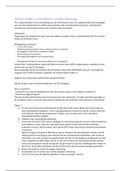
Numbers
Use of laboratory animals is fluctuating:
• Decrease: development alternatives, ethics, more strict legislation, more responsible use, high costs
• Increase: development of transgenic (altered genes) animals
Legislation
First European Convention for protection of animals: March 1986 —> Belgian Law in the same year (update in 1993)
• In 2010
—> New Belgian Royal Decree with stricter rules concerning housing of laboratory animals (april)
—> New European Directive on protection of animals for scientific purposes
Laboratory animal
= every living vertebrate animal used or intended for laboratory experiments including larval forms and excluding foetal/embryonic forms
—> New legislation: inclusion of some invertebrae and mammalian embryonic forms (form last third of term)
Animal experiment
= every use of a living vertebrate animal for experimental and other scientific purposes
—> Can inflict pain, suffering, discomfort of permanent injury
—> Including every treatment that has purpose or consequence of the birth of an animal in such a condition
—> Exception of the least painful methods to kill or mark the animal (humane methods) and non-experimental treatments in agriculture and
veterinary practice
—> An animal should not be used more than once in experiments that inflict serious pain and suffering
Examples degrees of pain and suffering:
Purpose of laboratory animals:
• Production and control of sera, vaccines or diagnostics
• Toxicological and pharmacological research
• Diagnose of diseases
• Education
• Answer scientific questions
,Housing and taking care of laboratory animals:
• Housing conditions, environment, moving space, food, water and care should meet the animals’ needs
• Daily control of animals and environment (temperature, humidity…)
• Regular control by verterinarian (large animals) or expert (rodents and rabbits)
Source and identification of laboratory animals
• No stray pets, lost or abandoned animals
• Mice, rats, guinea pigs, hamsters, rabbits, primates, dogs, cats, quail (a bird), farm animals
—> Should be purpose-bred (not farm animals, purchased from farm) bij licensed breeding companies
—> If not available: apply for exemption with government (strong motivation needed)
—> Dogs cats and primates: marked individually and permanent (immediately after weaning)
—> Register must be kept of all animals coming in and leaving the laboratory
Statistical information
• Statistical data about the use of laboratory animals must be handed to the government every year: numbers used per species and
numbers per type of experiment
Responsible use
Animal experiments:
• Restricted to absolute minimum
• Only if the purpose cannot be achieved by other methods
• May only cause pain, suffering or injury if they cannot be avoided for the purpose
• May only be performed under anaesthesia unless the pain, suffering or injury is less than what is caused by the anaesthesia
—> If anaesthesia not possible: analgesics or another fitting method to decrease pain should be used
• Animals must never be subject to serious pain, great discomfort or suffering
• Choice of animals must be seriously considered (preferably animals with the lowest neurophysiologic degree)
The 3 R’s (Russell and Burch)
Reduction: choosing the experimental design well, standardising labo animal population and experimental procedures
Replacement: replacing the animal experiments with another method or invertebrate
Refinement: less discomfort, gathering knowledge about biological needs of the animal needs, environmental enrichment and apply analgesia
What do you need before starting animal experiments?
Laboratory licence
= governmental laboratory licence (Flemish Community, department Animal Welfare)
• Overview and map of the rooms (description and function)
• Overview of the kind of experiments that will be performed
• List of the species and their source
• Overview of the staff responsible for the projects and working with the animals
—> Laboratory director: responsible manager
—> Expert: responsible for the protection of the health and well being of the laboratory animals (vet for large, FELASA C training for small)
—> Project leader: sets up experiments, responsible for them, needs to keep a log
—> Biotechnicians: staff that conducts the experiments
—> Animal caretakers
,Permission of the Ethical Committee
• Obligatory since 2001
Tasks:
• Evaluation of the planned experiments
• Setting up ethical criteria concerning animal experiments
• Advising laboratories and government
• Reporting to the government (yearly)
Professional secrecy for the members
Composition: laboratory director, project leader, biotechnician, veterinarian or expert, at least 2 independent members
—> Governmental inspector (not a member) can attend ECD meeting at any time
What’s new?
• Competencies (ethics, alt methods, animal health…) are important, at least 7 members are present (and all the competencies) and no
conflict of interest allowed
• Apply in the appropriate form:
—> Staff responsible for the project, purpose and description of the project, number and species of the animals, degree and duration of pain,
anaesthesia and analgesia that will be used, post-op recovery care, alt methods, humane endpoints and euthanasia
What else in the new legislation:
• Retrospective assesment: assessment of # animals, pain and suffering, gain of the project
• Non-technical summary: to inform the public
Education
• Project leaders (80h course C), researchers and lab technicians (40h course B) and animal caretakers (25h course A)
• FELASA directives, BCLAS and continuous education
What else is there?
Animal Welfare Body
• Set up by every ‘user’
• Includes an animal caretaker, scientist and vet/expert
• Tasks: advise on animal welfare, review internal operational processes
• Ultimate goal: improve animal welfare (beter follow-up humane endpoints, improve protocols) and transparancy
Reporting all animals used in the creation of a new line
= more animals in the statistics
• Creation of GA line: genetic manipulation, recipient female and vasectomised males, birth of potention mutants…
• Project authorisation and reporting until ine is ‘established’
Genetically altered animals - harmful phenotype
• Every animal that has a likely harmful phenotype can suffer due to the genetic alterations
• Perform an AWA (animal welfare assessment): check breeding, anomalies, abnormal behaviour, try to decrease suffering
Other paperwork
• Import licence: importing animals from non EU states
• Bio-security dossier
• Radio-activity use in laboratory animals
,Safety in the Animal Facility
Physical hazards
Trauma
Sharp objects: needles, fragements of glass, syringes, scalpels; use appropriate contrainers, never recap needles
Machines and material: must be maintained well (no sharp edges), wear protective clothing and follow safety rules
Maintenance: keeping surfaces clean, remove obstructions from emergency exits, be careful with slippery wet floors
Light: little lighting = tired eyes + poor visibility = dangerous
Ergonomic hazards: lift heavy loads, poor posture at lab table, repeating the same movement frequently = injury (repetitive strain)
Fire, noise, electricitu, apparatus under pressure and radiation
Combustible material - fire and burning: wood, paper, plastic (by Bunsen burner); inflammable gasses and liquids; electrical
apparatus; use of liquid nitrogen
Noise: animals (dogs and pigs), machines —> wear ear protection
Electricity: can cause shock and electrocution, during repair broken cables
Apparatus under pressure, gasses and vapors: autoclaves (regular maintenance and testing), bottles of gas (secure tight, not
near heat), face protection when heating solutions
Lasers: hazardous for the eyes
UV-radiation - germicidal UV-C: germicidal action is max at 255 nm, prolonged radation = killing of all micro-organisms
• Can not penetrate deeper than 1mm in biological tissue
• Effects on health: acute (inflammation cornea, light burns) of long term (skin tumors, hardly)
• Never use UV when someone is in the room
Ionising radiation: result of radioactive decay of particles, fast moving nuclear parts and photons
• Contact with matter like air, water, body = ionisations (freeing an electron, harmful for DNA)
Alfa-radiation: 2 P and 2 N (uranium and plutonium)
Beta-radiation: + or - charged particles, pass through the skin, low energy stopped by thick paper/plastic
Gamma-radiation: photons, electromagnetic radiation, stopped by lead
• Internal contamination (breathing, oral intake) and external contamination (ionising radiation within the space)
—> Hood, drip-trays, prevent aerosol/dust, gloves, distance, protection screen/gear
• Animals treated with radioactive substances: house in appropriate room (approval Radio-protection Service)
—> At the end checking cages by RS, garbage = radio-active waste, cadavers in a special freezer
Bite- and scratch wounds, related hazards
• Real risk, minimalised by training (dogs > cats > rodents)
• Direct damage (tendons, bones and joints) / risk of secondary infections (because of irregular shape, tissue necrosis…)
• Chance of infection determined by: site of bite (bigger chance infection in hand > face), extend of contamination (composition of
mouth/skin flora)
Hazardous after dog- and cat bite: Capnocytophaga canimorsus
• First symptoms: nausea, diarrhea, muscular pain and general malaise
• Coagulation around the wound (necrosis = amputation), decreased resistance = sepsis, AKF, shock…
Hazardous after mouse- of rat bite: Streptobacillus moniliformis and Spirillium minus
• Resp distress, abscesses and general sepsis, periods of fever (rat-bite-fever), complications like meningitis, pneumonia
• After a bite: check tetanus vaccination, docter checkup, vet check animul, special attention for non-human primates
,Chemical hazards
Sources: disinfectants, anaesthesia gasses, preservation chemicals
Combustibility, corrosiveness, reactivity etc: known and predictable for the most
Toxicity: less predictable
Perform a risk analysis: DEN (causes liver cancer), tamoxifen, cytostatics, perfusion with formaldehyde
Protocol- related hazards
Involves: chemicals of unknown risks, infectious agents (risk ~ characteristics and complexity of the experiment)
New hazards: more natural infections, viral vectors for gene therapy, transgene animals with receptors for human pathogens
4 classes:
1. Cause no disease in healthy humans
2. Pose a moderate risk, there wil be human disease after exposure
3. Diseases with a respiratory transmission that can cause serious or lethal disease
4. Agents with very high risk of lethal disease
Allergy
Everyone having contact with animals is liable to get an allergy (some more sensitive because of lifestyle, environment, history, genes)
—> Degree of exposure is not important for the development of an allergy
Pathogenesis
Sensitisation (6-36 months): allergen A offered to T cells —> stimulate B cells —> allergen specific IgE antibodies —> bind to mast cells and
basophilic celles —> contact allergen A + IgE = histamine relaese
Most important allergens: urine of rats (lot of proteins) urine/saliva/fur of guinea pig
—> Mostly exposure through air, sometimes direct contact with skin (bites)
Atopy and diagnosis
= genetic predisposition to produce IgE antibodies against antigens
• Determined by: personal and family anamnesis, total IgE titers…
• 30% of the population is atopic
Allergy: symptoms
Nasal symptoms, watery and itchy eyes, skin rash
—> Develops normally over 1-2 years
—> 10% of population with allergy develops asthma
Anaphylaxis
= general allergic reaction that involves different parts of the body
• Rare, usually after bite, symptoms can be fast, mild or life-threatening
,Preventive measures
Purpose: reduction in frequency of sensitisation, reduction in symptoms
• Important for employer and employee
Screening programs
• Intracutaneous test, AB measurement in the body (IgE), contact allergy test, other methods
• Yearly screening
Design of animal facility
• Adjustment of ventilation and filtration systems: increase ventilation and humidity, separate ventilation for housing and treatment rooms
• Cage cleaners, vacuum instead of wiping dust
• IVC units and filtertop cages
Work organisation
• Decrease of cage density, choice of bedding material (corncob instead of wood shavings)
Personal protective equipment (PPE)
• Skin contact: gloves, lab coat
• Air: surgical masks —> dusk masks
Zoonosis
= infectious disease transmitted from animals to humans
• Micro-organisms carried by labo animals: higher possibility in animals of the wild
—> Risk limited by using isolation measures and PPE
Examples:
• Plague (yersinia pestis): flees on a rat = reservoir
• Leptospirosis (Weil’s disease, canicola fever): caused by Leptospira, not treated = kidney damage, liver failure, meningitis, rarely death
—> Contamination through water, food or soil infected with urine
• Hanta virus: secreta and excreta of resp tract and intestines (mice)
• Lymphocytic Choriomeningitis Virus (LCMV): dangerous for pregnant women
• Salmonellosis: more serious in children and people with health problems
• Streptobacillus monoliformis: rat-bite-fever
• Cow pox disease: causes laesions
• Trichophyty: by fungus Trichophyton spp. and Microsporum spp., local ring shaped defects
• Herpes B: primates are carrriers, for humans can be lethal
—> Transmitted through blood, urine and saliva
—> Use PPE (long sleeves, goggles, mask), after contact scrub and blood sample (with antiviral cure)
—> Incubation period: 2d - 1m
—> Symptoms: herpes vesicles, headache, tired, fever, conjunctivitis…
Zootechnique of different species
= all we know about animals to keep them in good health
—> Knowledge about: housing, taking care, feeding and breeding
,Rodents
= mice, hamster, guinea pig and rats, most used labo animals, adapt well to the environment
Characteristics of rodents
• Same tooth formula: 1I, 0C, 0P, 3M (boven en onder, diastema)
—> Incisors have no roots and grow continuously (worn down by mastication)
• Nocturnal animals with strong social hierarchy
• Mouse, rat, hamster: altricial (pups born blind, naked and helpless) and guinea pig: precocial
• Mostly herbivore, mouse and rat omnivore
• Coprophagy (eating faeces) for vit B and K
Mice and rats
Taxonomy
Mus musculus & Rattus norvegicus
• > 80% of all labo animals: easy to breed, small size, relatively cheap
• Used in cancer and medicine research, toxicology
Some strains with specific characteristics:
• Dwarf mouse: C3H/HeJ strain, dw/dw, deficient in growth hormone
• Obese mouse: ob/ob, normally at 9 months 30g —> 70g
• Nude mouse: no thymus, no hair, no immune-competent T cells, sensitive to infections and cold, for tumor transplants and
immunology
• Zuckerrat: inheritable obesity
—> Heart rate of smaller animals is higher, rats have no gallbladder
Characteristics of mouse and rat
• Harderian gland (tear gland) is found in animals with a nictating membrane (3rd eyelid)
• Red brown porphyrines
, Oestrus cycle Vaginal smear: change in endothelial cells
• Pre oestrus: nucleated and non nucleated/cornified epithelial cells
• Oestrus: mostly cornified
• Met oestrus: few cornified and leukocytes
• Di oestrus: mostly leukocytes
• Females kept in group: tendency to anoestrus (Lee-Boot effect)
• Male is introduced: oestrus synchronisation (Whitten effect)
• After succesfull mating another male within 24 introduced —> no implantation (Bruce effect)
—> Bruce in mouse, not in rat; Whitten in mouse, less clear in rat
• Weaning age mouse: 21d (10-12g) and rat: 21d (45-50g)
Sexing mice and rat
• Anogenital distance twice as large in M
• Females have hairless part and nipples
Vaginale or copulation plug
• CP is present until 24 after mating
= secretion of secondary glands of males, proof of mating (no proof of fertilised mating)
Mice pups
Anatomical and physiological characteristics of mouse and rat
• Behind eyeball a net of venous blood vessels (plexus opthalmicus)
—> orbita-punction to take blood
• Left lung = 1 lob, right lung = caudal, cranial, middle and accessory
• Single stomach in 2 parts: pars non glandularis (thin wall) and pars
glandularis (has mucose fold)
• Rat has no galbladder
• Liver divided into lobes
• Pancreas difficult to find, looks like fat tissue
• Uterus duplex: 2 uterus horns, 2 uterus bodies, 2 uterus cervixes
, Hamster
= mesocricetus auratus
• Not so often as labo animal
• More for breeding and teratogenic research, tumors, blood circulation and caries, effect of hypothermia
Taxonomy
Characteristics of the hamster
• Body temp: 37-38° • Gestation: 16d
• Life span: 2-3y • Litter size: 6-8
• Heart beat: 250-500 x/min • Postpartum oestrus: yes but not fertile
• Resp: 40-120 x/min • Weaning age and weight: 21d (30-40g)
• Mammary glands: 6-7 pairs • Breeding system: monogamous, harem
• Hip glands (especially well developed in M, territorial sensitive to antibiotics)
—> Decrease of gram + and increase of gram -, dysbacteriosis and death Sexing of the hamster
• Age: 6-8w (F) and 10-12w (M)
• Feeding: 7-15g a day; water: 8-12 mL a day
• • Oestrus: polyoestrus, 4d cycle
—> Morning after ovulation: secretion from vagina
—> Copulation succesfull on eveing of 3rd day after secretion, no gestation
when after 5-9 days secretion again
Anatomical and physiological characteristics of hamster
• Very big pouches: hamster feed
• Stomach: nonglandular rumen, sfincter like structure, glandular stomach
• Pancreas: orange red and triangular
• Liver has lobes
• Left lung 1 lob, right lung 4 lobes
Guinea pigs
= cavia porcellus
• Mostly used for control of sera and vaccins (easy to sensitize, hypersensitive), detecting certain diseases (TBC, difteria), immunological
research, otology and feeding research
• Most used strain: Dunkin-Hartley
• Related to: Chinchilla, South-American Capibara (largest rodent)
Taxonomy
Numbers
Use of laboratory animals is fluctuating:
• Decrease: development alternatives, ethics, more strict legislation, more responsible use, high costs
• Increase: development of transgenic (altered genes) animals
Legislation
First European Convention for protection of animals: March 1986 —> Belgian Law in the same year (update in 1993)
• In 2010
—> New Belgian Royal Decree with stricter rules concerning housing of laboratory animals (april)
—> New European Directive on protection of animals for scientific purposes
Laboratory animal
= every living vertebrate animal used or intended for laboratory experiments including larval forms and excluding foetal/embryonic forms
—> New legislation: inclusion of some invertebrae and mammalian embryonic forms (form last third of term)
Animal experiment
= every use of a living vertebrate animal for experimental and other scientific purposes
—> Can inflict pain, suffering, discomfort of permanent injury
—> Including every treatment that has purpose or consequence of the birth of an animal in such a condition
—> Exception of the least painful methods to kill or mark the animal (humane methods) and non-experimental treatments in agriculture and
veterinary practice
—> An animal should not be used more than once in experiments that inflict serious pain and suffering
Examples degrees of pain and suffering:
Purpose of laboratory animals:
• Production and control of sera, vaccines or diagnostics
• Toxicological and pharmacological research
• Diagnose of diseases
• Education
• Answer scientific questions
,Housing and taking care of laboratory animals:
• Housing conditions, environment, moving space, food, water and care should meet the animals’ needs
• Daily control of animals and environment (temperature, humidity…)
• Regular control by verterinarian (large animals) or expert (rodents and rabbits)
Source and identification of laboratory animals
• No stray pets, lost or abandoned animals
• Mice, rats, guinea pigs, hamsters, rabbits, primates, dogs, cats, quail (a bird), farm animals
—> Should be purpose-bred (not farm animals, purchased from farm) bij licensed breeding companies
—> If not available: apply for exemption with government (strong motivation needed)
—> Dogs cats and primates: marked individually and permanent (immediately after weaning)
—> Register must be kept of all animals coming in and leaving the laboratory
Statistical information
• Statistical data about the use of laboratory animals must be handed to the government every year: numbers used per species and
numbers per type of experiment
Responsible use
Animal experiments:
• Restricted to absolute minimum
• Only if the purpose cannot be achieved by other methods
• May only cause pain, suffering or injury if they cannot be avoided for the purpose
• May only be performed under anaesthesia unless the pain, suffering or injury is less than what is caused by the anaesthesia
—> If anaesthesia not possible: analgesics or another fitting method to decrease pain should be used
• Animals must never be subject to serious pain, great discomfort or suffering
• Choice of animals must be seriously considered (preferably animals with the lowest neurophysiologic degree)
The 3 R’s (Russell and Burch)
Reduction: choosing the experimental design well, standardising labo animal population and experimental procedures
Replacement: replacing the animal experiments with another method or invertebrate
Refinement: less discomfort, gathering knowledge about biological needs of the animal needs, environmental enrichment and apply analgesia
What do you need before starting animal experiments?
Laboratory licence
= governmental laboratory licence (Flemish Community, department Animal Welfare)
• Overview and map of the rooms (description and function)
• Overview of the kind of experiments that will be performed
• List of the species and their source
• Overview of the staff responsible for the projects and working with the animals
—> Laboratory director: responsible manager
—> Expert: responsible for the protection of the health and well being of the laboratory animals (vet for large, FELASA C training for small)
—> Project leader: sets up experiments, responsible for them, needs to keep a log
—> Biotechnicians: staff that conducts the experiments
—> Animal caretakers
,Permission of the Ethical Committee
• Obligatory since 2001
Tasks:
• Evaluation of the planned experiments
• Setting up ethical criteria concerning animal experiments
• Advising laboratories and government
• Reporting to the government (yearly)
Professional secrecy for the members
Composition: laboratory director, project leader, biotechnician, veterinarian or expert, at least 2 independent members
—> Governmental inspector (not a member) can attend ECD meeting at any time
What’s new?
• Competencies (ethics, alt methods, animal health…) are important, at least 7 members are present (and all the competencies) and no
conflict of interest allowed
• Apply in the appropriate form:
—> Staff responsible for the project, purpose and description of the project, number and species of the animals, degree and duration of pain,
anaesthesia and analgesia that will be used, post-op recovery care, alt methods, humane endpoints and euthanasia
What else in the new legislation:
• Retrospective assesment: assessment of # animals, pain and suffering, gain of the project
• Non-technical summary: to inform the public
Education
• Project leaders (80h course C), researchers and lab technicians (40h course B) and animal caretakers (25h course A)
• FELASA directives, BCLAS and continuous education
What else is there?
Animal Welfare Body
• Set up by every ‘user’
• Includes an animal caretaker, scientist and vet/expert
• Tasks: advise on animal welfare, review internal operational processes
• Ultimate goal: improve animal welfare (beter follow-up humane endpoints, improve protocols) and transparancy
Reporting all animals used in the creation of a new line
= more animals in the statistics
• Creation of GA line: genetic manipulation, recipient female and vasectomised males, birth of potention mutants…
• Project authorisation and reporting until ine is ‘established’
Genetically altered animals - harmful phenotype
• Every animal that has a likely harmful phenotype can suffer due to the genetic alterations
• Perform an AWA (animal welfare assessment): check breeding, anomalies, abnormal behaviour, try to decrease suffering
Other paperwork
• Import licence: importing animals from non EU states
• Bio-security dossier
• Radio-activity use in laboratory animals
,Safety in the Animal Facility
Physical hazards
Trauma
Sharp objects: needles, fragements of glass, syringes, scalpels; use appropriate contrainers, never recap needles
Machines and material: must be maintained well (no sharp edges), wear protective clothing and follow safety rules
Maintenance: keeping surfaces clean, remove obstructions from emergency exits, be careful with slippery wet floors
Light: little lighting = tired eyes + poor visibility = dangerous
Ergonomic hazards: lift heavy loads, poor posture at lab table, repeating the same movement frequently = injury (repetitive strain)
Fire, noise, electricitu, apparatus under pressure and radiation
Combustible material - fire and burning: wood, paper, plastic (by Bunsen burner); inflammable gasses and liquids; electrical
apparatus; use of liquid nitrogen
Noise: animals (dogs and pigs), machines —> wear ear protection
Electricity: can cause shock and electrocution, during repair broken cables
Apparatus under pressure, gasses and vapors: autoclaves (regular maintenance and testing), bottles of gas (secure tight, not
near heat), face protection when heating solutions
Lasers: hazardous for the eyes
UV-radiation - germicidal UV-C: germicidal action is max at 255 nm, prolonged radation = killing of all micro-organisms
• Can not penetrate deeper than 1mm in biological tissue
• Effects on health: acute (inflammation cornea, light burns) of long term (skin tumors, hardly)
• Never use UV when someone is in the room
Ionising radiation: result of radioactive decay of particles, fast moving nuclear parts and photons
• Contact with matter like air, water, body = ionisations (freeing an electron, harmful for DNA)
Alfa-radiation: 2 P and 2 N (uranium and plutonium)
Beta-radiation: + or - charged particles, pass through the skin, low energy stopped by thick paper/plastic
Gamma-radiation: photons, electromagnetic radiation, stopped by lead
• Internal contamination (breathing, oral intake) and external contamination (ionising radiation within the space)
—> Hood, drip-trays, prevent aerosol/dust, gloves, distance, protection screen/gear
• Animals treated with radioactive substances: house in appropriate room (approval Radio-protection Service)
—> At the end checking cages by RS, garbage = radio-active waste, cadavers in a special freezer
Bite- and scratch wounds, related hazards
• Real risk, minimalised by training (dogs > cats > rodents)
• Direct damage (tendons, bones and joints) / risk of secondary infections (because of irregular shape, tissue necrosis…)
• Chance of infection determined by: site of bite (bigger chance infection in hand > face), extend of contamination (composition of
mouth/skin flora)
Hazardous after dog- and cat bite: Capnocytophaga canimorsus
• First symptoms: nausea, diarrhea, muscular pain and general malaise
• Coagulation around the wound (necrosis = amputation), decreased resistance = sepsis, AKF, shock…
Hazardous after mouse- of rat bite: Streptobacillus moniliformis and Spirillium minus
• Resp distress, abscesses and general sepsis, periods of fever (rat-bite-fever), complications like meningitis, pneumonia
• After a bite: check tetanus vaccination, docter checkup, vet check animul, special attention for non-human primates
,Chemical hazards
Sources: disinfectants, anaesthesia gasses, preservation chemicals
Combustibility, corrosiveness, reactivity etc: known and predictable for the most
Toxicity: less predictable
Perform a risk analysis: DEN (causes liver cancer), tamoxifen, cytostatics, perfusion with formaldehyde
Protocol- related hazards
Involves: chemicals of unknown risks, infectious agents (risk ~ characteristics and complexity of the experiment)
New hazards: more natural infections, viral vectors for gene therapy, transgene animals with receptors for human pathogens
4 classes:
1. Cause no disease in healthy humans
2. Pose a moderate risk, there wil be human disease after exposure
3. Diseases with a respiratory transmission that can cause serious or lethal disease
4. Agents with very high risk of lethal disease
Allergy
Everyone having contact with animals is liable to get an allergy (some more sensitive because of lifestyle, environment, history, genes)
—> Degree of exposure is not important for the development of an allergy
Pathogenesis
Sensitisation (6-36 months): allergen A offered to T cells —> stimulate B cells —> allergen specific IgE antibodies —> bind to mast cells and
basophilic celles —> contact allergen A + IgE = histamine relaese
Most important allergens: urine of rats (lot of proteins) urine/saliva/fur of guinea pig
—> Mostly exposure through air, sometimes direct contact with skin (bites)
Atopy and diagnosis
= genetic predisposition to produce IgE antibodies against antigens
• Determined by: personal and family anamnesis, total IgE titers…
• 30% of the population is atopic
Allergy: symptoms
Nasal symptoms, watery and itchy eyes, skin rash
—> Develops normally over 1-2 years
—> 10% of population with allergy develops asthma
Anaphylaxis
= general allergic reaction that involves different parts of the body
• Rare, usually after bite, symptoms can be fast, mild or life-threatening
,Preventive measures
Purpose: reduction in frequency of sensitisation, reduction in symptoms
• Important for employer and employee
Screening programs
• Intracutaneous test, AB measurement in the body (IgE), contact allergy test, other methods
• Yearly screening
Design of animal facility
• Adjustment of ventilation and filtration systems: increase ventilation and humidity, separate ventilation for housing and treatment rooms
• Cage cleaners, vacuum instead of wiping dust
• IVC units and filtertop cages
Work organisation
• Decrease of cage density, choice of bedding material (corncob instead of wood shavings)
Personal protective equipment (PPE)
• Skin contact: gloves, lab coat
• Air: surgical masks —> dusk masks
Zoonosis
= infectious disease transmitted from animals to humans
• Micro-organisms carried by labo animals: higher possibility in animals of the wild
—> Risk limited by using isolation measures and PPE
Examples:
• Plague (yersinia pestis): flees on a rat = reservoir
• Leptospirosis (Weil’s disease, canicola fever): caused by Leptospira, not treated = kidney damage, liver failure, meningitis, rarely death
—> Contamination through water, food or soil infected with urine
• Hanta virus: secreta and excreta of resp tract and intestines (mice)
• Lymphocytic Choriomeningitis Virus (LCMV): dangerous for pregnant women
• Salmonellosis: more serious in children and people with health problems
• Streptobacillus monoliformis: rat-bite-fever
• Cow pox disease: causes laesions
• Trichophyty: by fungus Trichophyton spp. and Microsporum spp., local ring shaped defects
• Herpes B: primates are carrriers, for humans can be lethal
—> Transmitted through blood, urine and saliva
—> Use PPE (long sleeves, goggles, mask), after contact scrub and blood sample (with antiviral cure)
—> Incubation period: 2d - 1m
—> Symptoms: herpes vesicles, headache, tired, fever, conjunctivitis…
Zootechnique of different species
= all we know about animals to keep them in good health
—> Knowledge about: housing, taking care, feeding and breeding
,Rodents
= mice, hamster, guinea pig and rats, most used labo animals, adapt well to the environment
Characteristics of rodents
• Same tooth formula: 1I, 0C, 0P, 3M (boven en onder, diastema)
—> Incisors have no roots and grow continuously (worn down by mastication)
• Nocturnal animals with strong social hierarchy
• Mouse, rat, hamster: altricial (pups born blind, naked and helpless) and guinea pig: precocial
• Mostly herbivore, mouse and rat omnivore
• Coprophagy (eating faeces) for vit B and K
Mice and rats
Taxonomy
Mus musculus & Rattus norvegicus
• > 80% of all labo animals: easy to breed, small size, relatively cheap
• Used in cancer and medicine research, toxicology
Some strains with specific characteristics:
• Dwarf mouse: C3H/HeJ strain, dw/dw, deficient in growth hormone
• Obese mouse: ob/ob, normally at 9 months 30g —> 70g
• Nude mouse: no thymus, no hair, no immune-competent T cells, sensitive to infections and cold, for tumor transplants and
immunology
• Zuckerrat: inheritable obesity
—> Heart rate of smaller animals is higher, rats have no gallbladder
Characteristics of mouse and rat
• Harderian gland (tear gland) is found in animals with a nictating membrane (3rd eyelid)
• Red brown porphyrines
, Oestrus cycle Vaginal smear: change in endothelial cells
• Pre oestrus: nucleated and non nucleated/cornified epithelial cells
• Oestrus: mostly cornified
• Met oestrus: few cornified and leukocytes
• Di oestrus: mostly leukocytes
• Females kept in group: tendency to anoestrus (Lee-Boot effect)
• Male is introduced: oestrus synchronisation (Whitten effect)
• After succesfull mating another male within 24 introduced —> no implantation (Bruce effect)
—> Bruce in mouse, not in rat; Whitten in mouse, less clear in rat
• Weaning age mouse: 21d (10-12g) and rat: 21d (45-50g)
Sexing mice and rat
• Anogenital distance twice as large in M
• Females have hairless part and nipples
Vaginale or copulation plug
• CP is present until 24 after mating
= secretion of secondary glands of males, proof of mating (no proof of fertilised mating)
Mice pups
Anatomical and physiological characteristics of mouse and rat
• Behind eyeball a net of venous blood vessels (plexus opthalmicus)
—> orbita-punction to take blood
• Left lung = 1 lob, right lung = caudal, cranial, middle and accessory
• Single stomach in 2 parts: pars non glandularis (thin wall) and pars
glandularis (has mucose fold)
• Rat has no galbladder
• Liver divided into lobes
• Pancreas difficult to find, looks like fat tissue
• Uterus duplex: 2 uterus horns, 2 uterus bodies, 2 uterus cervixes
, Hamster
= mesocricetus auratus
• Not so often as labo animal
• More for breeding and teratogenic research, tumors, blood circulation and caries, effect of hypothermia
Taxonomy
Characteristics of the hamster
• Body temp: 37-38° • Gestation: 16d
• Life span: 2-3y • Litter size: 6-8
• Heart beat: 250-500 x/min • Postpartum oestrus: yes but not fertile
• Resp: 40-120 x/min • Weaning age and weight: 21d (30-40g)
• Mammary glands: 6-7 pairs • Breeding system: monogamous, harem
• Hip glands (especially well developed in M, territorial sensitive to antibiotics)
—> Decrease of gram + and increase of gram -, dysbacteriosis and death Sexing of the hamster
• Age: 6-8w (F) and 10-12w (M)
• Feeding: 7-15g a day; water: 8-12 mL a day
• • Oestrus: polyoestrus, 4d cycle
—> Morning after ovulation: secretion from vagina
—> Copulation succesfull on eveing of 3rd day after secretion, no gestation
when after 5-9 days secretion again
Anatomical and physiological characteristics of hamster
• Very big pouches: hamster feed
• Stomach: nonglandular rumen, sfincter like structure, glandular stomach
• Pancreas: orange red and triangular
• Liver has lobes
• Left lung 1 lob, right lung 4 lobes
Guinea pigs
= cavia porcellus
• Mostly used for control of sera and vaccins (easy to sensitize, hypersensitive), detecting certain diseases (TBC, difteria), immunological
research, otology and feeding research
• Most used strain: Dunkin-Hartley
• Related to: Chinchilla, South-American Capibara (largest rodent)
Taxonomy