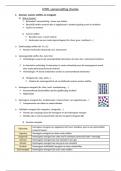
TYPES OF QUESTIONS
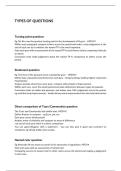
Turning point question:
Eg Oct Rev was the greatest turning point in the development of R govt – HFDYA?
Within each paragraph compare actions across the period and make a clear judgement at the
end of each one as to whether the named TP is the most important.
Start each para with an assessment of the named TP in each theme, before comparing it directly
to others.
Conclusion must make judgement about the named TP in comparison to others across the
period.
Statement question
Eg. The lives of the peasants were consistently poor – HFDYA?
Define lives of peasants into themes for each para – living/working/ political rights/ repression
Food/famine
Analyse periods where lives were poor, compare with periods of improvement
Within each one, cover the whole period and make distinctions between types of peasants
Conclusion looks at kulaks and peasants, and makes clear C&C judgement across the period.
eg small but temp improvements - kulaks did exp more improvements but also total destruction
Direct comparison of Tsars/Communists question
The Tsars and Communists had similar aims. HFDYA?
Define themes to compare – eg Econ, pol, soc
Each para covers whole period
Analyse areas of similarity and compare to areas of difference
J at end of each para which is a direct comparison
You can agree/disagree with a statement - you can also pick it apart and comment on
exceptions eg all had similar aims except…
Named ruler question
Eg Alexander III was most successful in his repression of opposition. HFDYA
Start each para with an assessment of named ruler
Comparing success of named ruler to other rulers across the period and making a judgement
in each area.
,Consider short term/long term impact to help you make judgements on success
, ESSAY PLANS
NATURE OF GOVERNMENT
Nature of government ✔
1. Ideology of govt (communism, autocracy, paternalism, totalitarianism, power from God
vs people etc)
Alexander II:
Relinquished government control of primary education and universities and emancipated serfs
in order to economically develop Russia.
Appointed reactionary ministers after a series of assassination attempts between 1867-70.
Many counter reforms were issued: notably university appointments could be vetoed by the
government, to reduce radicalism, student organisations were banned and the work of Third
section was increased.
This shows that his true ideology was not liberalism and that he valued autocracy at the heart
of his regime
Alexander III:
‘unshakable autocracy’.
Abolished the right of universities to appoint their own professors and required the
government’s approval for new syllabuses to be taught.
Repressed religious rights to extend the power of the tsar. Appointed Pobedonestsev as the
Procurator of the Holy Synod and his primary function was to preach obedience to the tsar
(spirituality came second).
These repressive measures were an extension of Alexander’s ideology and sought to stifle any
ideological opposition from emerging
Lenin:
Appearing reformative: improvements in peasants’ livelihoods under the NEP, Lenin
implemented these reforms alongside repressive measures to reduce opposition and remain in
power, like Alexander II. The Red Terror eliminated certain key figures and made examples out
of Bolshevik opponents and War Communism saw surpluses get seized from peasants, leading
to mass food shortages.
Dictatorship of proletariat: 8 hour day, 40 hour week, Rabkhrin
Stalin:
The government controlled all education from nursery schools through the universities and
school children learned the virtues of the Communist Party.
Turning point question:
Eg Oct Rev was the greatest turning point in the development of R govt – HFDYA?
Within each paragraph compare actions across the period and make a clear judgement at the
end of each one as to whether the named TP is the most important.
Start each para with an assessment of the named TP in each theme, before comparing it directly
to others.
Conclusion must make judgement about the named TP in comparison to others across the
period.
Statement question
Eg. The lives of the peasants were consistently poor – HFDYA?
Define lives of peasants into themes for each para – living/working/ political rights/ repression
Food/famine
Analyse periods where lives were poor, compare with periods of improvement
Within each one, cover the whole period and make distinctions between types of peasants
Conclusion looks at kulaks and peasants, and makes clear C&C judgement across the period.
eg small but temp improvements - kulaks did exp more improvements but also total destruction
Direct comparison of Tsars/Communists question
The Tsars and Communists had similar aims. HFDYA?
Define themes to compare – eg Econ, pol, soc
Each para covers whole period
Analyse areas of similarity and compare to areas of difference
J at end of each para which is a direct comparison
You can agree/disagree with a statement - you can also pick it apart and comment on
exceptions eg all had similar aims except…
Named ruler question
Eg Alexander III was most successful in his repression of opposition. HFDYA
Start each para with an assessment of named ruler
Comparing success of named ruler to other rulers across the period and making a judgement
in each area.
,Consider short term/long term impact to help you make judgements on success
, ESSAY PLANS
NATURE OF GOVERNMENT
Nature of government ✔
1. Ideology of govt (communism, autocracy, paternalism, totalitarianism, power from God
vs people etc)
Alexander II:
Relinquished government control of primary education and universities and emancipated serfs
in order to economically develop Russia.
Appointed reactionary ministers after a series of assassination attempts between 1867-70.
Many counter reforms were issued: notably university appointments could be vetoed by the
government, to reduce radicalism, student organisations were banned and the work of Third
section was increased.
This shows that his true ideology was not liberalism and that he valued autocracy at the heart
of his regime
Alexander III:
‘unshakable autocracy’.
Abolished the right of universities to appoint their own professors and required the
government’s approval for new syllabuses to be taught.
Repressed religious rights to extend the power of the tsar. Appointed Pobedonestsev as the
Procurator of the Holy Synod and his primary function was to preach obedience to the tsar
(spirituality came second).
These repressive measures were an extension of Alexander’s ideology and sought to stifle any
ideological opposition from emerging
Lenin:
Appearing reformative: improvements in peasants’ livelihoods under the NEP, Lenin
implemented these reforms alongside repressive measures to reduce opposition and remain in
power, like Alexander II. The Red Terror eliminated certain key figures and made examples out
of Bolshevik opponents and War Communism saw surpluses get seized from peasants, leading
to mass food shortages.
Dictatorship of proletariat: 8 hour day, 40 hour week, Rabkhrin
Stalin:
The government controlled all education from nursery schools through the universities and
school children learned the virtues of the Communist Party.