AC2.1
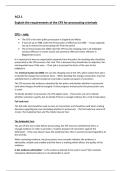
Explain the requirements of the CPS for prosecuting criminals
CPS – role:
• The CPS is the main public prosecutor in England and Wales
• It was set up in 1986 under the Prosecution of Offences Act 1985. – it was originally
set up to remove the prosecuting role from the police
• The Criminal Justice Act 2003 ruled the CPS has the charging role in all indictable
(serious offences in Crown Court) and summary offences (minor offences in
Magistrates Court)
It is important to have an organisation separate from the police for deciding who should be
prosecuted as the CPS ensures a fair trial. This is because they should take an objective, fair,
and impartial view of the case. – Their job is to present the facts of the case to the
judge/jury
The Criminal Justice Act 2003 sets out the charging role of the CPS, which states their job is
to decide the charge that someone faces. - When deciding the charge, prosecutors must be
satisfied there is sufficient evidence to provide a realistic prospect of conviction
The CPS assesses the evidence submitted by the police and decides whether to prosecute
(and what charges should be brought). It then prepares and presents the prosecution case
in court.
To decide whether to prosecute, the CPS applies tests. - these tests are not to decide
whether someone is guilty, but to decide if there is enough evidence for a trial to take place
Full code test:
The full code test should be used as soon as its practical, and should be used when making
decisions regarding the case (including whether to prosecute). - The full code test consist of
2 tests: The Evidential Test and The Public Interest Test
The Evidential Test:
The aim of this test is that before prosecuting, the CPS must be satisfied that there is
enough evidence in order to provide a ‘realistic prospect of conviction’ against the
defendant. - If the case doesn't pass the evidential test, then it cannot proceed regardless of
the severity.
When reviewing evidence, the prosecutors must consider whether the evidence is
admissible, reliable and credible and that there is nothing which affects the quality of the
evidence.
Is the evidence admissible? - is the evidence allowed to be used in court? (for example,
improperly obtained evidence is not admissible in court)
Explain the requirements of the CPS for prosecuting criminals
CPS – role:
• The CPS is the main public prosecutor in England and Wales
• It was set up in 1986 under the Prosecution of Offences Act 1985. – it was originally
set up to remove the prosecuting role from the police
• The Criminal Justice Act 2003 ruled the CPS has the charging role in all indictable
(serious offences in Crown Court) and summary offences (minor offences in
Magistrates Court)
It is important to have an organisation separate from the police for deciding who should be
prosecuted as the CPS ensures a fair trial. This is because they should take an objective, fair,
and impartial view of the case. – Their job is to present the facts of the case to the
judge/jury
The Criminal Justice Act 2003 sets out the charging role of the CPS, which states their job is
to decide the charge that someone faces. - When deciding the charge, prosecutors must be
satisfied there is sufficient evidence to provide a realistic prospect of conviction
The CPS assesses the evidence submitted by the police and decides whether to prosecute
(and what charges should be brought). It then prepares and presents the prosecution case
in court.
To decide whether to prosecute, the CPS applies tests. - these tests are not to decide
whether someone is guilty, but to decide if there is enough evidence for a trial to take place
Full code test:
The full code test should be used as soon as its practical, and should be used when making
decisions regarding the case (including whether to prosecute). - The full code test consist of
2 tests: The Evidential Test and The Public Interest Test
The Evidential Test:
The aim of this test is that before prosecuting, the CPS must be satisfied that there is
enough evidence in order to provide a ‘realistic prospect of conviction’ against the
defendant. - If the case doesn't pass the evidential test, then it cannot proceed regardless of
the severity.
When reviewing evidence, the prosecutors must consider whether the evidence is
admissible, reliable and credible and that there is nothing which affects the quality of the
evidence.
Is the evidence admissible? - is the evidence allowed to be used in court? (for example,
improperly obtained evidence is not admissible in court)