

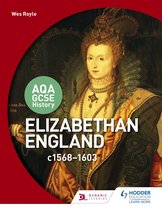
ELIZABETH AND HER GOVERNMENT
1509- Henry VIII
- Married to Catherine of Aragon- failed to produce surviving male heir
- War of the roses 1485 - Civil war, due to conflict with female heir
Influenced need to have a male kid
- Became pregnant w/ Anne Boleyn - Led to break with rome (ensure legitimacy)
- Became supreme head of the church of england
- Act of succession - Elizabeth new heir + Mary was illegitimate - 1533
1536- Elizabeth’s early life
- Mother executed on charged of treason, adultery and witchcraft
- Second act of succession - illegitimate
- Did not see father, exiled from court - strengthened her admiration for him
- Had a good education - linguist, athletic and musical
- Catherine Parr (mother figure) influences protestant views
1544- Elizabeth’s early life
- Third act of succession - restored as heir to throne
1547- Elizabeth’s early life
- First political crisis with Thomas Seymour
- Seymour married to Catherine Parr but flirted with Elizabeth
- He was accused of treason and executed - 1549
- Elizabeth questioned, learnt to trust nobody
Mary I
- A catholic, spanish heritage
- Strong resentment against Elizabeth- she displaced her mother, she was young, beauty
- Known as ‘bloody mary,’ killed (burnt) 300 protestant
- Elizabeth was their heir to Mary as she had no children
- Wyatt’s Rebellion 1554 - spanish rebels marched into london - collapsed
- Wyatt said he wrote to Elizabeth and she approved of rebellion - retracted before execution
- Elizabeth placed into Tower of London, arrest due to suspicion of working with rebel
- Released when no solid evidence found, but kept in house arrest
1559- Elizabeth’s Accession
- Marys’s reign weakened, failed to create heir for catholic succession - 1558
- Their relationship still tense, refused to claim Elizabeth as heir
- Elizabeth anointed and crowned as Queen
Elizabeth’s early life
- Lacked harmonious relationship with family
- Came close to execution 2x
- Traumatic life experiences strengthened her character - more cautious, and tactical
Problems at accession
- Woman - questioned ability to rule
- Young and inexperienced
- War with France, had no allies
, - Questioned legitimacy
- Wanted to re-establish protestantism as official religion
- Unmarried and no children
- Need to decide who to appoint as advisors
- People in poverty, liable to rebel
- Large debt from Mary
The Royal Court
- Mobile operation, always with the Queen
- Consisted of Queen’s household
- 500 nobles, advisors, officials - called courtiers
- competed for power/ influence, personal monarchy = access to queen crucial for a politician
- Centre of political power, tudor period
- Performance - propaganda to glory her image,
lavish banquets, rehearsed/ designed to impress
Progresses
- Visit homes of nobility with queen
- Allowed her to build relationship with people, seen by her subjects
- Allowed Elizabeth to live in luxury at the expense of her subjects (practical for debt)
- Nobility desperate to impress through extravagance etc
- Consisted of accommodation, food and entertainment
Patronage
- Showing favouritism by giving particular men important jobs
- Gave male courtiers political roles, equally
- Jobs highly sought after - brough wealth/prestige
- corrupt but effective system - competition between rivalries - she maintained power
- Elizabeth remained at the heart of the whole political system
Privy Council
- gave instructions to local officials
- 19 members from nobility, gentry or church
- Half from Mary’s council (experience), other half new (loyal)
- Elizabeth could choose/dismiss members - avoid catholics
- Queen monitored their work but trusted them, not interrupting
- Key role - advise and direct policy but queen not have to take advice
- elizabeth often ignored = political independence
- Still had lots of power - e.g command arrest, issue proclamations of queen
- Elizabeth control them as they were ambitious - monopolies (self-control)
- e.g show affection /rewards or exclude/ imprison them
- ‘divide and rule’ - game where Elizabeth appointed men who hated each other, rivalry
Sir William Cecil Sir Francis Walsingham
- secretary of state - 1558 - Led Secret service- advised foreign affairs
- most important minister - advised 40yrs - Uncovered plot - Mary Queen of scots
Robert Dudley Sir Christopher Hatton
- Earl of Leicester, trusted adviser -
- Known since childhood, rumours of ‘lovers’ -
1509- Henry VIII
- Married to Catherine of Aragon- failed to produce surviving male heir
- War of the roses 1485 - Civil war, due to conflict with female heir
Influenced need to have a male kid
- Became pregnant w/ Anne Boleyn - Led to break with rome (ensure legitimacy)
- Became supreme head of the church of england
- Act of succession - Elizabeth new heir + Mary was illegitimate - 1533
1536- Elizabeth’s early life
- Mother executed on charged of treason, adultery and witchcraft
- Second act of succession - illegitimate
- Did not see father, exiled from court - strengthened her admiration for him
- Had a good education - linguist, athletic and musical
- Catherine Parr (mother figure) influences protestant views
1544- Elizabeth’s early life
- Third act of succession - restored as heir to throne
1547- Elizabeth’s early life
- First political crisis with Thomas Seymour
- Seymour married to Catherine Parr but flirted with Elizabeth
- He was accused of treason and executed - 1549
- Elizabeth questioned, learnt to trust nobody
Mary I
- A catholic, spanish heritage
- Strong resentment against Elizabeth- she displaced her mother, she was young, beauty
- Known as ‘bloody mary,’ killed (burnt) 300 protestant
- Elizabeth was their heir to Mary as she had no children
- Wyatt’s Rebellion 1554 - spanish rebels marched into london - collapsed
- Wyatt said he wrote to Elizabeth and she approved of rebellion - retracted before execution
- Elizabeth placed into Tower of London, arrest due to suspicion of working with rebel
- Released when no solid evidence found, but kept in house arrest
1559- Elizabeth’s Accession
- Marys’s reign weakened, failed to create heir for catholic succession - 1558
- Their relationship still tense, refused to claim Elizabeth as heir
- Elizabeth anointed and crowned as Queen
Elizabeth’s early life
- Lacked harmonious relationship with family
- Came close to execution 2x
- Traumatic life experiences strengthened her character - more cautious, and tactical
Problems at accession
- Woman - questioned ability to rule
- Young and inexperienced
- War with France, had no allies
, - Questioned legitimacy
- Wanted to re-establish protestantism as official religion
- Unmarried and no children
- Need to decide who to appoint as advisors
- People in poverty, liable to rebel
- Large debt from Mary
The Royal Court
- Mobile operation, always with the Queen
- Consisted of Queen’s household
- 500 nobles, advisors, officials - called courtiers
- competed for power/ influence, personal monarchy = access to queen crucial for a politician
- Centre of political power, tudor period
- Performance - propaganda to glory her image,
lavish banquets, rehearsed/ designed to impress
Progresses
- Visit homes of nobility with queen
- Allowed her to build relationship with people, seen by her subjects
- Allowed Elizabeth to live in luxury at the expense of her subjects (practical for debt)
- Nobility desperate to impress through extravagance etc
- Consisted of accommodation, food and entertainment
Patronage
- Showing favouritism by giving particular men important jobs
- Gave male courtiers political roles, equally
- Jobs highly sought after - brough wealth/prestige
- corrupt but effective system - competition between rivalries - she maintained power
- Elizabeth remained at the heart of the whole political system
Privy Council
- gave instructions to local officials
- 19 members from nobility, gentry or church
- Half from Mary’s council (experience), other half new (loyal)
- Elizabeth could choose/dismiss members - avoid catholics
- Queen monitored their work but trusted them, not interrupting
- Key role - advise and direct policy but queen not have to take advice
- elizabeth often ignored = political independence
- Still had lots of power - e.g command arrest, issue proclamations of queen
- Elizabeth control them as they were ambitious - monopolies (self-control)
- e.g show affection /rewards or exclude/ imprison them
- ‘divide and rule’ - game where Elizabeth appointed men who hated each other, rivalry
Sir William Cecil Sir Francis Walsingham
- secretary of state - 1558 - Led Secret service- advised foreign affairs
- most important minister - advised 40yrs - Uncovered plot - Mary Queen of scots
Robert Dudley Sir Christopher Hatton
- Earl of Leicester, trusted adviser -
- Known since childhood, rumours of ‘lovers’ -

