Test Bank For Advanced Health Assessment and
Diagnostic Reasoning Fourth Edition By
Jacqueline Rhoads And Sandra Wiggins
Petersen
,Test Bank For Advanced Health Assessment and Diagnostic Reasoning Fourth Edition By
Jacqueline Rhoads And Sandra Wiggins Petersen
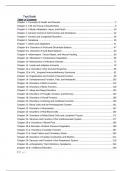
Table of Contents
Part 1 Strategies for Effective Health Assessment
Chapter 1 Interview and History-Taking Strategies
Chapter 2 Physical Examination Strategies
Chapter 3 Documentation Strategies
Chapter 4 Cultural and Spiritual Assessment
Chapter 5 Nutritional Assessment
Part 2 Advanced Assessment of Systemic Disorders
Chapter 6 Mental Health Disorders
Chapter 7 Integumentary Disorders
Chapter 8 Eye Disorders
Chapter 9 Ear Disorders
Chapter 10 Nose, Sinus, Mouth, and Throat Disorders
Chapter 11 Respiratory Disorders
Chapter 12 Cardiovascular Disorders
Chapter 13 Endocrine Disorders
Chapter 14 Gastrointestinal Disorders
Chapter 15 Neurological Disorders
Chapter 16 Male Genitourinary Disorders
Chapter 17 Female Genitourinary and Breast Disorders
Chapter 18 Musculoskeletal Disorders
,Test Bank for Advanced Health Assessment and Diagnostic Reasoning 4th Edition Rhoads (Test
Bank PDF Files)
Chapter: Chapter 01 - Quiz
Multiple Choice
1. Which of the following is an example of subjective data that may be collected during a health
assessment?
A) Height and weight
B) A patient’s recall of his or her past health conditions
C) Results from an abdominal CT scan
D) Complete blood count
ANSWER: B
Complexity: Moderate .
Ahead: Functions of the Interview and Health History
Subject: Chapter 1
Title: Interview and History-Taking Strategies
Taxonomy: Application
2. Which of the following is true regarding the data taken in a health history?
A) Most health history data are objective and measurable.
B) Objective data are error-free, quantifiable data.
C) Subjective data, being inherently less accurate, are of less value than objective data.
D) A successful individualized plan of care must incorporate subjective data.
ANSWER: D
Complexity: Difficult
Ahead: Functions of the Interview and Health History
Subject: Chapter 1
Title: Interview and History-Taking Strategies
Taxonomy: Analysis
3. What do Coulehan and Block define as “listening to the total communication . . . and letting the patient
know that you are really hearing”?
A) Cultural competence
B) Patience
C) Empathy
D) Top-tier communication
, Testy4Banky4fory4Advancedy4Healthy4Assessmenty4andy4Diagnosticy4Reasoningy44thy4Editiony4Rhoadsy4
(Testy4Banky4PDFy4Files)
ANSWER:y4C
Complexity:y4Moderatey4
Ahead:y4Interviewingy4
Subject:y4Chaptery41
Title:y4Interviewy4andy4History-
Takingy4Strategiesy4Taxonomy:y4Recall
4. They4providery4isy4preparingy4toy4takey4ay4healthy4historyy4fory4ay4newy4patient.y4Hey4takesy4they4
patienty4toy4ay4privatey4roomy4andy4asksy4they4patienty4toy4dony4ay4hospitaly4gown.y4Aftery4steppingy4o
utsidey4toy4givey4they4patienty4sufficienty4timey4toy4change,y4hey4theny4comesy4backy4iny4andy4asksy4p
ermissiony4toy4conducty4they4history.y4Hey4sitsy4nexty4toy4they4patienty4aty4eyey4level,y4discreetlyy4ob
servesy4they4patienty4fory4anyy4sensoryy4deficits,y4andy4asksy4they4patienty4ify4hey4mayy4takey4briefy4
notesy4ofy4they4conversation.y4Duringy4they4conversation,y4hey4givesy4they4patienty4timey4toy4answery
4questionsy4fully.y4Hey4makesy4surey4thaty4hisy4questionsy4doy4noty4containy4technicaly4termsy4andy4
quietlyy4observesy4they4patient’sy4nonverbaly4behaviorsy4throughout.y4Whichy4mistakey4didy4they4prov
idery4make?
A) Hey4shouldy4havey4allowedy4they4patienty4toy4remainy4fullyy4clothedy4iny4theiry4owny4clothingy4fory4theiry4comfort.
B) Hey4shouldy4noty4havey4omittedy4technicaly4terminology.y4Patientsy4likey4havingy4ay4chancey4toy4learn.
C) Hey4shouldy4havey4seatedy4himselfy4slightlyy4abovey4eyey4levely4toy4givey4they4patienty4nonverbal
y4reassurancey4ofy4hisy4experiencey4andy4professionalism.
D) Hey4shouldy4havey4askedy4explicitlyy4abouty4they4nonverbaly4changesy4hey4wasy4noticingy4iny
4ordery4toy4gainy4ay4deepery4levely4ofy4understandingy4ofy4they4patient’sy4currenty4condition.
ANSWER:y4A
Complexity:y4Difficult
Ahead:y4Takingy4ay4Healthy4Hi
storyy4Subject:y4Chaptery41
Title:y4Interviewy4andy4History-
Takingy4Strategiesy4Taxonomy:y4Analysis
.
5. Whichy4ofy4they4followingy4isy4truey4ofy4bothy4comprehensivey4andy4focusedy4healthy4histories?
A) Theyy4bothy4includey4identifyingy4data.
B) Theyy4bothy4includey4ay4socialy4history.
C) Theyy4bothy4includey4ay4familyy4history.
D) Theyy4arey4bothy4conductedy4iny4emergencyy4situ
ations.y4ANSWER:y4A
Complexity:y4Moderate
Ahead:y4Takingy4ay4Healthy4Hi
storyy4Subject:y4Chaptery41
Title:y4Interviewy4andy4History-
Takingy4Strategiesy4Taxonomy:y4Applicatio
n
6. Iny4they4mnemonicy4devisey4PQRST,y4whichy4ofy4they4followingy4includesy4describingy4they4
locationy4ofy4they4symptoms?
A) Precipitatingy4 factors
B) Quality
C) Radiation
D) Severity
y4ANSWE
R:
B
Complexity:y4Difficult
Ahead:y4Takingy4ay4Healthy4Hi
storyy4Subject:y4Chaptery41
Title:y4Interviewy4andy4History-Takingy4Strategies
Diagnostic Reasoning Fourth Edition By
Jacqueline Rhoads And Sandra Wiggins
Petersen
,Test Bank For Advanced Health Assessment and Diagnostic Reasoning Fourth Edition By
Jacqueline Rhoads And Sandra Wiggins Petersen
Table of Contents
Part 1 Strategies for Effective Health Assessment
Chapter 1 Interview and History-Taking Strategies
Chapter 2 Physical Examination Strategies
Chapter 3 Documentation Strategies
Chapter 4 Cultural and Spiritual Assessment
Chapter 5 Nutritional Assessment
Part 2 Advanced Assessment of Systemic Disorders
Chapter 6 Mental Health Disorders
Chapter 7 Integumentary Disorders
Chapter 8 Eye Disorders
Chapter 9 Ear Disorders
Chapter 10 Nose, Sinus, Mouth, and Throat Disorders
Chapter 11 Respiratory Disorders
Chapter 12 Cardiovascular Disorders
Chapter 13 Endocrine Disorders
Chapter 14 Gastrointestinal Disorders
Chapter 15 Neurological Disorders
Chapter 16 Male Genitourinary Disorders
Chapter 17 Female Genitourinary and Breast Disorders
Chapter 18 Musculoskeletal Disorders
,Test Bank for Advanced Health Assessment and Diagnostic Reasoning 4th Edition Rhoads (Test
Bank PDF Files)
Chapter: Chapter 01 - Quiz
Multiple Choice
1. Which of the following is an example of subjective data that may be collected during a health
assessment?
A) Height and weight
B) A patient’s recall of his or her past health conditions
C) Results from an abdominal CT scan
D) Complete blood count
ANSWER: B
Complexity: Moderate .
Ahead: Functions of the Interview and Health History
Subject: Chapter 1
Title: Interview and History-Taking Strategies
Taxonomy: Application
2. Which of the following is true regarding the data taken in a health history?
A) Most health history data are objective and measurable.
B) Objective data are error-free, quantifiable data.
C) Subjective data, being inherently less accurate, are of less value than objective data.
D) A successful individualized plan of care must incorporate subjective data.
ANSWER: D
Complexity: Difficult
Ahead: Functions of the Interview and Health History
Subject: Chapter 1
Title: Interview and History-Taking Strategies
Taxonomy: Analysis
3. What do Coulehan and Block define as “listening to the total communication . . . and letting the patient
know that you are really hearing”?
A) Cultural competence
B) Patience
C) Empathy
D) Top-tier communication
, Testy4Banky4fory4Advancedy4Healthy4Assessmenty4andy4Diagnosticy4Reasoningy44thy4Editiony4Rhoadsy4
(Testy4Banky4PDFy4Files)
ANSWER:y4C
Complexity:y4Moderatey4
Ahead:y4Interviewingy4
Subject:y4Chaptery41
Title:y4Interviewy4andy4History-
Takingy4Strategiesy4Taxonomy:y4Recall
4. They4providery4isy4preparingy4toy4takey4ay4healthy4historyy4fory4ay4newy4patient.y4Hey4takesy4they4
patienty4toy4ay4privatey4roomy4andy4asksy4they4patienty4toy4dony4ay4hospitaly4gown.y4Aftery4steppingy4o
utsidey4toy4givey4they4patienty4sufficienty4timey4toy4change,y4hey4theny4comesy4backy4iny4andy4asksy4p
ermissiony4toy4conducty4they4history.y4Hey4sitsy4nexty4toy4they4patienty4aty4eyey4level,y4discreetlyy4ob
servesy4they4patienty4fory4anyy4sensoryy4deficits,y4andy4asksy4they4patienty4ify4hey4mayy4takey4briefy4
notesy4ofy4they4conversation.y4Duringy4they4conversation,y4hey4givesy4they4patienty4timey4toy4answery
4questionsy4fully.y4Hey4makesy4surey4thaty4hisy4questionsy4doy4noty4containy4technicaly4termsy4andy4
quietlyy4observesy4they4patient’sy4nonverbaly4behaviorsy4throughout.y4Whichy4mistakey4didy4they4prov
idery4make?
A) Hey4shouldy4havey4allowedy4they4patienty4toy4remainy4fullyy4clothedy4iny4theiry4owny4clothingy4fory4theiry4comfort.
B) Hey4shouldy4noty4havey4omittedy4technicaly4terminology.y4Patientsy4likey4havingy4ay4chancey4toy4learn.
C) Hey4shouldy4havey4seatedy4himselfy4slightlyy4abovey4eyey4levely4toy4givey4they4patienty4nonverbal
y4reassurancey4ofy4hisy4experiencey4andy4professionalism.
D) Hey4shouldy4havey4askedy4explicitlyy4abouty4they4nonverbaly4changesy4hey4wasy4noticingy4iny
4ordery4toy4gainy4ay4deepery4levely4ofy4understandingy4ofy4they4patient’sy4currenty4condition.
ANSWER:y4A
Complexity:y4Difficult
Ahead:y4Takingy4ay4Healthy4Hi
storyy4Subject:y4Chaptery41
Title:y4Interviewy4andy4History-
Takingy4Strategiesy4Taxonomy:y4Analysis
.
5. Whichy4ofy4they4followingy4isy4truey4ofy4bothy4comprehensivey4andy4focusedy4healthy4histories?
A) Theyy4bothy4includey4identifyingy4data.
B) Theyy4bothy4includey4ay4socialy4history.
C) Theyy4bothy4includey4ay4familyy4history.
D) Theyy4arey4bothy4conductedy4iny4emergencyy4situ
ations.y4ANSWER:y4A
Complexity:y4Moderate
Ahead:y4Takingy4ay4Healthy4Hi
storyy4Subject:y4Chaptery41
Title:y4Interviewy4andy4History-
Takingy4Strategiesy4Taxonomy:y4Applicatio
n
6. Iny4they4mnemonicy4devisey4PQRST,y4whichy4ofy4they4followingy4includesy4describingy4they4
locationy4ofy4they4symptoms?
A) Precipitatingy4 factors
B) Quality
C) Radiation
D) Severity
y4ANSWE
R:
B
Complexity:y4Difficult
Ahead:y4Takingy4ay4Healthy4Hi
storyy4Subject:y4Chaptery41
Title:y4Interviewy4andy4History-Takingy4Strategies