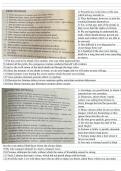
1) Powerful too is the force of the arts,
which always nourish us.
2) They had begun, however, to join the
wretched humans themselves.
3) For, in that age, part of the people in
Italy never held the rights of citizens.
4) We are beginning to understand the
truth, which should always govern our
minds and without which we are able to
be succeed.
5) Hos difficult it is to drag good or
sweet things from war!
6) A hundred of the men were fearing
death for a long time and were expecting
no mercy.
7) The boy used to be afraid of his mother, who was often neglected him.
8) Admist all the perils, the courageous woman conducted herself with wisdom.
9) And so the swift rumor of the harsh death ran through the huge cities.
10) Since the memory of our deeds is sweet, we are now happy and we will enjoy an easy old age.
11) Mant listeners were fearing the severe satires which the poet was reciting.
12) Viros potentes timerunt quorum urbem vi regebant.
13) Illawarra tres feminas dulces iuvare coepimus quibus amicitiam nostram dederamus.
14) Illum librum timemus quo libertatem nostram delere incipit.
1) Greetings, my good friend, to whom I
entrusted my son yesterday.
2) Dionysius, about whom I spoke
earlier, was sailing from Greece to
Sicily through the brief but powerful
storm.
3) Many citizens either do not see those
dangers which are threatening or they
ignore those that they do see.
4) He who gives quickly, gives twice.
5) He who has begun has half of the
deed. Begin!
6) Fortune is fickle: it quickly demands
back that which it had given.
7) Fortune makes him a fool whom it
favors too much.
8) Not only is fortune herself is blind
but she even makes blind those whom she always helps.
9) He who conquers himself in victory conquers twice.
10) Pretense obliterate the truth, without which the name of friendship cannot be strong.
11) Truly, I admire that man’s virtue, which did not perish along with his body.
12) Avoid the mob. Live with these men who are able to make you better, admit those whom you can make
which always nourish us.
2) They had begun, however, to join the
wretched humans themselves.
3) For, in that age, part of the people in
Italy never held the rights of citizens.
4) We are beginning to understand the
truth, which should always govern our
minds and without which we are able to
be succeed.
5) Hos difficult it is to drag good or
sweet things from war!
6) A hundred of the men were fearing
death for a long time and were expecting
no mercy.
7) The boy used to be afraid of his mother, who was often neglected him.
8) Admist all the perils, the courageous woman conducted herself with wisdom.
9) And so the swift rumor of the harsh death ran through the huge cities.
10) Since the memory of our deeds is sweet, we are now happy and we will enjoy an easy old age.
11) Mant listeners were fearing the severe satires which the poet was reciting.
12) Viros potentes timerunt quorum urbem vi regebant.
13) Illawarra tres feminas dulces iuvare coepimus quibus amicitiam nostram dederamus.
14) Illum librum timemus quo libertatem nostram delere incipit.
1) Greetings, my good friend, to whom I
entrusted my son yesterday.
2) Dionysius, about whom I spoke
earlier, was sailing from Greece to
Sicily through the brief but powerful
storm.
3) Many citizens either do not see those
dangers which are threatening or they
ignore those that they do see.
4) He who gives quickly, gives twice.
5) He who has begun has half of the
deed. Begin!
6) Fortune is fickle: it quickly demands
back that which it had given.
7) Fortune makes him a fool whom it
favors too much.
8) Not only is fortune herself is blind
but she even makes blind those whom she always helps.
9) He who conquers himself in victory conquers twice.
10) Pretense obliterate the truth, without which the name of friendship cannot be strong.
11) Truly, I admire that man’s virtue, which did not perish along with his body.
12) Avoid the mob. Live with these men who are able to make you better, admit those whom you can make