1) A bottle contains 75 mg/mL solution. A patient requires 1.25 mg/kg/day divided into 3 doses for 10 days. The
patient weighs 52.4 kg. Calculate the exact volume in mL required to supply, rounded to 2 decimal places.
2) A powder is to be reconstituted to give 250 mg per 5 mL. How many mL should be supplied to provide a total of
3.25 g of active ingredient?
3) A patient weighing 82.6 kg requires a loading dose of 15 mg/kg followed by maintenance of 10 mg/kg/day in 2
divided doses. Calculate total loading dose and each maintenance dose.
4) Dose reduction is required when creatinine clearance (CrCl) < 40 mL/min. Patient with CrCl 28 mL/min is
prescribed 180 mg daily. Reduce the dose by 35%. Calculate adjusted dose and dose per administration if given
twice daily.
5) An antibiotic is prescribed at 5 mg/kg every 8 hours. The patient has impaired renal function requiring a 25%
dose reduction. The patient weighs 68.2 kg. Calculate the new dose per administration.
6) Calculate the paediatric dose for a 3.5-year-old child weighing 14.8 kg if adult dose is 250 mg and paediatric dose
is 7 mg/kg/day in 3 divided doses.
7) A paediatric dose is 200 mg/m² daily, max 800 mg. Calculate the dose for a child with BSA 0.55 m².
8) Calculate mass of drug (mg) in 350 mL of 2.5% w/v solution.
9) A solution contains 1.25 g drug in 375 mL. Calculate % w/v concentration.
10) Calculate the volume, in mL, of 8% w/v solution containing 0.75 g of drug.
11) What volume of 12% solution is required to create 400 mL of 3% solution.
12) Infuse 3 g drug in 600 mL over 9 hours. Calculate concentration mg/mL and infusion rate mL/hr.
13) Calculate drip rate in drops per minute if 400 mL is infused over 5 hours with drop factor 15 drops/mL.
14) A 50 mL infusion contains 250 mg drug to be administered over 12 minutes. Calculate infusion rate mL/hr and
drip rate (drops/min) with drop factor 20 drops/mL.
15) You have a 20% stock solution. Calculate volumes of stock and diluent to prepare 500 mL of 6% solution using
alligation.
16) Calculate mmol of sodium in 1.25 L of 0.9% NaCl solution. (MW NaCl 58.5 g/mol)
17) Calculate mg of KCl required to supply 75 mmol potassium. (MW KCl 74.5 g/mol)
18) Mix 14% and 3% KCl solutions to prepare 400 mL of 11% solution. Calculate volumes of each.
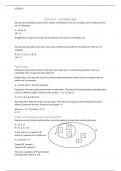
19) Calculate ratio and volumes to mix 20% and 6% glucose solutions to prepare 1.5 L of 10% glucose.
20) Calculate ratio to mix 27% and 9% calcium gluconate to make 18% solution.
21) Mix 16% and 4% sodium bicarbonate solutions to prepare 250 mL of 7% solution.
22) Prepare 30 pessaries weighing 3.8 g each containing 0.4 g drug (DV 0.22). Calculate total base and drug required.
23) Prepare 25 suppositories weighing 3.2 g each with 0.35 g drug (DV 0.18). Calculate base and drug needed.
24) A batch of 20 pessaries weighing 4.5 g contains 0.45 g drug with DV 0.19. Calculate base per pessary and total
base required.
25) Calculate displacement value of a drug if 0.48 g drug displaces 0.086 g base in suppository weighing 3.9 g
containing 0.48 g drug.
patient weighs 52.4 kg. Calculate the exact volume in mL required to supply, rounded to 2 decimal places.
2) A powder is to be reconstituted to give 250 mg per 5 mL. How many mL should be supplied to provide a total of
3.25 g of active ingredient?
3) A patient weighing 82.6 kg requires a loading dose of 15 mg/kg followed by maintenance of 10 mg/kg/day in 2
divided doses. Calculate total loading dose and each maintenance dose.
4) Dose reduction is required when creatinine clearance (CrCl) < 40 mL/min. Patient with CrCl 28 mL/min is
prescribed 180 mg daily. Reduce the dose by 35%. Calculate adjusted dose and dose per administration if given
twice daily.
5) An antibiotic is prescribed at 5 mg/kg every 8 hours. The patient has impaired renal function requiring a 25%
dose reduction. The patient weighs 68.2 kg. Calculate the new dose per administration.
6) Calculate the paediatric dose for a 3.5-year-old child weighing 14.8 kg if adult dose is 250 mg and paediatric dose
is 7 mg/kg/day in 3 divided doses.
7) A paediatric dose is 200 mg/m² daily, max 800 mg. Calculate the dose for a child with BSA 0.55 m².
8) Calculate mass of drug (mg) in 350 mL of 2.5% w/v solution.
9) A solution contains 1.25 g drug in 375 mL. Calculate % w/v concentration.
10) Calculate the volume, in mL, of 8% w/v solution containing 0.75 g of drug.
11) What volume of 12% solution is required to create 400 mL of 3% solution.
12) Infuse 3 g drug in 600 mL over 9 hours. Calculate concentration mg/mL and infusion rate mL/hr.
13) Calculate drip rate in drops per minute if 400 mL is infused over 5 hours with drop factor 15 drops/mL.
14) A 50 mL infusion contains 250 mg drug to be administered over 12 minutes. Calculate infusion rate mL/hr and
drip rate (drops/min) with drop factor 20 drops/mL.
15) You have a 20% stock solution. Calculate volumes of stock and diluent to prepare 500 mL of 6% solution using
alligation.
16) Calculate mmol of sodium in 1.25 L of 0.9% NaCl solution. (MW NaCl 58.5 g/mol)
17) Calculate mg of KCl required to supply 75 mmol potassium. (MW KCl 74.5 g/mol)
18) Mix 14% and 3% KCl solutions to prepare 400 mL of 11% solution. Calculate volumes of each.
19) Calculate ratio and volumes to mix 20% and 6% glucose solutions to prepare 1.5 L of 10% glucose.
20) Calculate ratio to mix 27% and 9% calcium gluconate to make 18% solution.
21) Mix 16% and 4% sodium bicarbonate solutions to prepare 250 mL of 7% solution.
22) Prepare 30 pessaries weighing 3.8 g each containing 0.4 g drug (DV 0.22). Calculate total base and drug required.
23) Prepare 25 suppositories weighing 3.2 g each with 0.35 g drug (DV 0.18). Calculate base and drug needed.
24) A batch of 20 pessaries weighing 4.5 g contains 0.45 g drug with DV 0.19. Calculate base per pessary and total
base required.
25) Calculate displacement value of a drug if 0.48 g drug displaces 0.086 g base in suppository weighing 3.9 g
containing 0.48 g drug.