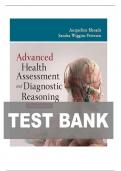
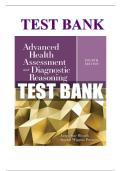
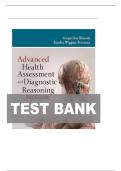
,Test Bank For Advanced Health Assessment and Diagnostic Reasoning Fifth
bh bh bh bh bh bh bh bh bh
Edition By Jacqueline Rhoads And Sandra Wiggins Petersen h bh bh bh bh bh bh bh
Table of Contents bh bh
Part 1 Strategies for Effective Health Assessmen
bh bh bh bh bh bh
t Chapter 1 Interview and History-
bh bh bh bh bh
Taking Strategies Chapter 2 Physical Examinatio
bh bh bh bh bh
n Strategies Chapter 3 Documentation Strategies
bh bh bh bh bh
Chapter 4 Cultural and Spiritual Assessment Chap
bh bh bh bh bh bh
ter 5 Nutritional Assessment
bh bh bh
Part 2 Advanced Assessment of Systemic Disorders
bh bh bh bh bh bh
Chapter 6 Mental Health Disorder
bh bh bh bh
s Chapter 7 Integumentary Disorde
bh bh bh bh
rs Chapter 8 Eye Disorders
bh bh bh bh
Chapter 9 Ear Disorders bh bh bh
Chapter 10 Nose, Sinus, Mouth, and Throat Disorders Chapt
bh bh bh bh bh bh bh bh
er 11 Respiratory Disorders
bh bh bh
Chapter 12 Cardiovascular Disorders
bh bh bh bh
Chapter 13 Endocrine Disorders Chapt
bh bh bh bh
er 14 Gastrointestinal Disorders Chapte
bh bh bh bh
r 15 Neurological Disorders
bh bh bh
Chapter 16 Male Genitourinary Disorders
bh bh bh bh
Chapter 17 Female Genitourinary and Breast Disorders Cha
bh bh bh bh bh bh bh
pter 18 Musculoskeletal Disorders
bh bh bh
,Test Bank for Advanced Health Assessment and Diagnostic Reasoning 5th Edition Rhoads (Test
bh bh bh bh bh bh bh bh bh bh bh bh
Bank PDF Files) bh bh
Chapter: Chapter 01 - Quiz bh bh bh bh
Multiple Choice bh
1. Which of the following is an example of subjective data that may be collected during a h
bh bh bh bh bh bh bh bh bh bh bh bh bh bh bh bh
ealth assessment?
bh
A) Height and weight bh bh
B) A patient’s recall of his or her past health conditions
bh bh bh bh bh bh bh bh bh
C) Results from an abdominal CT scan
bh bh bh bh bh
D) Complete blood count bh bh
ANSWER: B bh
Complexity: Moderate bh
.
Ahead: Functions of the Interview and Health History S
bh bh bh bh bh bh bh bh
ubject: Chapter 1bh bh
Title: Interview and History-
bh bh bh
Taking Strategies Taxonomy: Application
bh bh bh
2. Which of the following is true regarding the data taken in a health history?
bh bh bh bh bh bh bh bh bh bh bh bh bh
A) Most health history data are objective and measurable.
bh bh bh bh bh bh bh
B) Objective data are error-free, quantifiable data.
bh bh bh bh bh
C) Subjective data, being inherently less accurate, are of less value than objective data.
bh bh bh bh bh bh bh bh bh bh bh bh
D) A successful individualized plan of care must incorporate subjective dat
bh bh bh bh bh bh bh bh bh
a. ANSWER: D
bh bh
Complexity: Difficult bh
Ahead: Functions of the Interview and Health History S
bh bh bh bh bh bh bh bh
ubject: Chapter 1bh bh
Title: Interview and History-
bh bh bh
Taking Strategies Taxonomy: Analysis
bh bh bh
3. What do Coulehan and Block define as “listening to the total communication . . . and letting the p
bh bh bh bh bh bh bh bh bh bh bh bh bh bh bh bh bh bh
atient know that you are really hearing”?
bh bh bh bh bh bh
A) Cultural competence bh
B) Patience
C) Empathy
D) Top-tier communication bh
, Test Bank for Advanced Health Assessment and Diagnostic Reasoning 4th Edition Rhoads (Test Ban
bh bh bh bh bh bh bh bh bh bh bh bh bh
k PDF Files) bh bh
ANSWER: C bh
Complexity: Moderate A bh bh
head: Interviewing Sub bh bh
ject: Chapter 1 bh bh
Title: Interview and History-
bh bh bh
Taking Strategies Taxonomy: Recall
bh bh bh
4. The provider is preparing to take a health history for a new patient. He takes the patient to a pr
bh bh bh bh bh bh bh bh bh bh bh bh bh bh bh bh bh bh bh
ivate room and asks the patient to don a hospital gown. After stepping outside to give the patient suf
bh bh bh bh bh bh bh bh bh bh bh bh bh bh bh bh bh bh
ficient time to change, he then comes back in and asks permission to conduct the history. He sits
bh bh bh bh bh bh bh bh bh bh bh bh bh bh bh bh bh bh
next to the patient at eye level, discreetly observes the patient for any sensory deficits, and asks t
bh bh bh bh bh bh bh bh bh bh bh bh bh bh bh bh bh
he patient if he may take brief notes of the conversation. During the conversation, he gives the pat
bh bh bh bh bh bh bh bh bh bh bh bh bh bh bh bh bh
ient time to answer questions fully. He makes sure that his questions do not contain technical term
bh bh bh bh bh bh bh bh bh bh bh bh bh bh bh bh
s and quietly observes the patient’s nonverbal behaviors throughout. Which mistake did the provide
bh bh bh bh bh bh bh bh bh bh bh bh bh
r make?
bh
A) He should have allowed the patient to remain fully clothed in their own clothing for their comfort.
bh bh bh bh bh bh bh bh bh bh bh bh bh bh bh bh
B) He should not have omitted technical terminology. Patients like having a chance to learn.
bh bh bh bh bh bh bh bh bh bh bh bh bh
C) He should have seated himself slightly above eye level to give the patient nonverbal reassuranc
bh bh bh bh bh bh bh bh bh bh bh bh bh bh
e of his experience and professionalism.
bh bh bh bh bh
D) He should have asked explicitly about the nonverbal changes he was noticing in order to g
bh bh bh bh bh bh bh bh bh bh bh bh bh bh bh
ain a deeper level of understanding of the patient’s current condition.
bh bh bh bh bh bh bh bh bh bh
ANSWER: A bh
Complexity: Difficult bh
Ahead: Taking a Health Histor bh bh bh bh
y Subject: Chapter 1
bh bh bh
Title: Interview and History-
bh bh bh
Taking Strategies Taxonomy: Analysis
bh bh bh
.
5. Which of the following is true of both comprehensive and focused health histories?
bh bh bh bh bh bh bh bh bh bh bh bh
A) They both include identifying data.
bh bh bh bh
B) They both include a social history.
bh bh bh bh bh
C) They both include a family history.
bh bh bh bh bh
D) They are both conducted in emergency situation
bh bh bh bh bh bh
s. ANSWER: A
bh bh
Complexity: Moderate bh
Ahead: Taking a Health Histor bh bh bh bh
y Subject: Chapter 1
bh bh bh
Title: Interview and History-
bh bh bh
Taking Strategies Taxonomy: Application
bh bh bh
6. In the mnemonic devise PQRST, which of the following includes describing the location of
bh bh bh bh bh bh bh bh bh bh bh bh bh b
hthe symptoms? bh
A) Precipitating factors bh
B) Quality
C) Radiation
D) Severity
bhANSWER
:
B
Complexity: Difficult bh
Ahead: Taking a Health Histor bh bh bh bh
y Subject: Chapter 1
bh bh bh
Title: Interview and History-Taking Strategies
bh bh bh bh
bh bh bh bh bh bh bh bh bh
Edition By Jacqueline Rhoads And Sandra Wiggins Petersen h bh bh bh bh bh bh bh
Table of Contents bh bh
Part 1 Strategies for Effective Health Assessmen
bh bh bh bh bh bh
t Chapter 1 Interview and History-
bh bh bh bh bh
Taking Strategies Chapter 2 Physical Examinatio
bh bh bh bh bh
n Strategies Chapter 3 Documentation Strategies
bh bh bh bh bh
Chapter 4 Cultural and Spiritual Assessment Chap
bh bh bh bh bh bh
ter 5 Nutritional Assessment
bh bh bh
Part 2 Advanced Assessment of Systemic Disorders
bh bh bh bh bh bh
Chapter 6 Mental Health Disorder
bh bh bh bh
s Chapter 7 Integumentary Disorde
bh bh bh bh
rs Chapter 8 Eye Disorders
bh bh bh bh
Chapter 9 Ear Disorders bh bh bh
Chapter 10 Nose, Sinus, Mouth, and Throat Disorders Chapt
bh bh bh bh bh bh bh bh
er 11 Respiratory Disorders
bh bh bh
Chapter 12 Cardiovascular Disorders
bh bh bh bh
Chapter 13 Endocrine Disorders Chapt
bh bh bh bh
er 14 Gastrointestinal Disorders Chapte
bh bh bh bh
r 15 Neurological Disorders
bh bh bh
Chapter 16 Male Genitourinary Disorders
bh bh bh bh
Chapter 17 Female Genitourinary and Breast Disorders Cha
bh bh bh bh bh bh bh
pter 18 Musculoskeletal Disorders
bh bh bh
,Test Bank for Advanced Health Assessment and Diagnostic Reasoning 5th Edition Rhoads (Test
bh bh bh bh bh bh bh bh bh bh bh bh
Bank PDF Files) bh bh
Chapter: Chapter 01 - Quiz bh bh bh bh
Multiple Choice bh
1. Which of the following is an example of subjective data that may be collected during a h
bh bh bh bh bh bh bh bh bh bh bh bh bh bh bh bh
ealth assessment?
bh
A) Height and weight bh bh
B) A patient’s recall of his or her past health conditions
bh bh bh bh bh bh bh bh bh
C) Results from an abdominal CT scan
bh bh bh bh bh
D) Complete blood count bh bh
ANSWER: B bh
Complexity: Moderate bh
.
Ahead: Functions of the Interview and Health History S
bh bh bh bh bh bh bh bh
ubject: Chapter 1bh bh
Title: Interview and History-
bh bh bh
Taking Strategies Taxonomy: Application
bh bh bh
2. Which of the following is true regarding the data taken in a health history?
bh bh bh bh bh bh bh bh bh bh bh bh bh
A) Most health history data are objective and measurable.
bh bh bh bh bh bh bh
B) Objective data are error-free, quantifiable data.
bh bh bh bh bh
C) Subjective data, being inherently less accurate, are of less value than objective data.
bh bh bh bh bh bh bh bh bh bh bh bh
D) A successful individualized plan of care must incorporate subjective dat
bh bh bh bh bh bh bh bh bh
a. ANSWER: D
bh bh
Complexity: Difficult bh
Ahead: Functions of the Interview and Health History S
bh bh bh bh bh bh bh bh
ubject: Chapter 1bh bh
Title: Interview and History-
bh bh bh
Taking Strategies Taxonomy: Analysis
bh bh bh
3. What do Coulehan and Block define as “listening to the total communication . . . and letting the p
bh bh bh bh bh bh bh bh bh bh bh bh bh bh bh bh bh bh
atient know that you are really hearing”?
bh bh bh bh bh bh
A) Cultural competence bh
B) Patience
C) Empathy
D) Top-tier communication bh
, Test Bank for Advanced Health Assessment and Diagnostic Reasoning 4th Edition Rhoads (Test Ban
bh bh bh bh bh bh bh bh bh bh bh bh bh
k PDF Files) bh bh
ANSWER: C bh
Complexity: Moderate A bh bh
head: Interviewing Sub bh bh
ject: Chapter 1 bh bh
Title: Interview and History-
bh bh bh
Taking Strategies Taxonomy: Recall
bh bh bh
4. The provider is preparing to take a health history for a new patient. He takes the patient to a pr
bh bh bh bh bh bh bh bh bh bh bh bh bh bh bh bh bh bh bh
ivate room and asks the patient to don a hospital gown. After stepping outside to give the patient suf
bh bh bh bh bh bh bh bh bh bh bh bh bh bh bh bh bh bh
ficient time to change, he then comes back in and asks permission to conduct the history. He sits
bh bh bh bh bh bh bh bh bh bh bh bh bh bh bh bh bh bh
next to the patient at eye level, discreetly observes the patient for any sensory deficits, and asks t
bh bh bh bh bh bh bh bh bh bh bh bh bh bh bh bh bh
he patient if he may take brief notes of the conversation. During the conversation, he gives the pat
bh bh bh bh bh bh bh bh bh bh bh bh bh bh bh bh bh
ient time to answer questions fully. He makes sure that his questions do not contain technical term
bh bh bh bh bh bh bh bh bh bh bh bh bh bh bh bh
s and quietly observes the patient’s nonverbal behaviors throughout. Which mistake did the provide
bh bh bh bh bh bh bh bh bh bh bh bh bh
r make?
bh
A) He should have allowed the patient to remain fully clothed in their own clothing for their comfort.
bh bh bh bh bh bh bh bh bh bh bh bh bh bh bh bh
B) He should not have omitted technical terminology. Patients like having a chance to learn.
bh bh bh bh bh bh bh bh bh bh bh bh bh
C) He should have seated himself slightly above eye level to give the patient nonverbal reassuranc
bh bh bh bh bh bh bh bh bh bh bh bh bh bh
e of his experience and professionalism.
bh bh bh bh bh
D) He should have asked explicitly about the nonverbal changes he was noticing in order to g
bh bh bh bh bh bh bh bh bh bh bh bh bh bh bh
ain a deeper level of understanding of the patient’s current condition.
bh bh bh bh bh bh bh bh bh bh
ANSWER: A bh
Complexity: Difficult bh
Ahead: Taking a Health Histor bh bh bh bh
y Subject: Chapter 1
bh bh bh
Title: Interview and History-
bh bh bh
Taking Strategies Taxonomy: Analysis
bh bh bh
.
5. Which of the following is true of both comprehensive and focused health histories?
bh bh bh bh bh bh bh bh bh bh bh bh
A) They both include identifying data.
bh bh bh bh
B) They both include a social history.
bh bh bh bh bh
C) They both include a family history.
bh bh bh bh bh
D) They are both conducted in emergency situation
bh bh bh bh bh bh
s. ANSWER: A
bh bh
Complexity: Moderate bh
Ahead: Taking a Health Histor bh bh bh bh
y Subject: Chapter 1
bh bh bh
Title: Interview and History-
bh bh bh
Taking Strategies Taxonomy: Application
bh bh bh
6. In the mnemonic devise PQRST, which of the following includes describing the location of
bh bh bh bh bh bh bh bh bh bh bh bh bh b
hthe symptoms? bh
A) Precipitating factors bh
B) Quality
C) Radiation
D) Severity
bhANSWER
:
B
Complexity: Difficult bh
Ahead: Taking a Health Histor bh bh bh bh
y Subject: Chapter 1
bh bh bh
Title: Interview and History-Taking Strategies
bh bh bh bh