Chapter 2 – Equal Opportunity and the Law
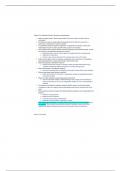
1. Foundations of Equal Employment Opportunity (EEO)
• Fifth Amendment: Protects individuals from being deprived of life, liberty, or
property without due process.
• Thirteenth Amendment (1865): Abolished slavery and serves as a basis for
prohibiting racial discrimination.
2. Landmark Federal Anti-Discrimination Laws
• Title VII, Civil Rights Act of 1964: Prohibits discrimination in employment based on
race, color, religion, sex, or national origin. Applies to employers with 15 or more
employees.
• Equal Pay Act of 1963: Requires men and women to be paid equally for performing
jobs of equal value, with exceptions for seniority, merit, or production.
• Age Discrimination in Employment Act (1967): Prohibits discrimination against
individuals who are 40 years or older.
• Vocational Rehabilitation Act: Requires employers with federal contracts over
$2,500 to take affirmative action to employ people with disabilities.
3. Key Legal Concepts
• Disparate (Adverse) Impact: A neutral policy that disproportionately affects a
protected group and is not job-related.
• Disparate Treatment: Intentional discrimination against individuals based on
protected characteristics.
4. Harassment and Hostile Work Environment
• Harassment becomes unlawful when it interferes with work performance or creates
a hostile environment.
• Employers must take immediate corrective action and provide a reporting system
and training to avoid liability.
5. Enforcement by the EEOC (Equal Employment Opportunity Commission)
• Enforces federal EEO laws and investigates discrimination claims.
1. Foundations of Equal Employment Opportunity (EEO)
• Fifth Amendment: Protects individuals from being deprived of life, liberty, or
property without due process.
• Thirteenth Amendment (1865): Abolished slavery and serves as a basis for
prohibiting racial discrimination.
2. Landmark Federal Anti-Discrimination Laws
• Title VII, Civil Rights Act of 1964: Prohibits discrimination in employment based on
race, color, religion, sex, or national origin. Applies to employers with 15 or more
employees.
• Equal Pay Act of 1963: Requires men and women to be paid equally for performing
jobs of equal value, with exceptions for seniority, merit, or production.
• Age Discrimination in Employment Act (1967): Prohibits discrimination against
individuals who are 40 years or older.
• Vocational Rehabilitation Act: Requires employers with federal contracts over
$2,500 to take affirmative action to employ people with disabilities.
3. Key Legal Concepts
• Disparate (Adverse) Impact: A neutral policy that disproportionately affects a
protected group and is not job-related.
• Disparate Treatment: Intentional discrimination against individuals based on
protected characteristics.
4. Harassment and Hostile Work Environment
• Harassment becomes unlawful when it interferes with work performance or creates
a hostile environment.
• Employers must take immediate corrective action and provide a reporting system
and training to avoid liability.
5. Enforcement by the EEOC (Equal Employment Opportunity Commission)
• Enforces federal EEO laws and investigates discrimination claims.