LECTURE 8 – EXCHANGE RATES
- Foreign currency is needed in order to buy goods and services produced in other countries
- E/R are determined in the FX market
- The number of units of foreign currency per pound
e.g./ E$/£ = 2 means £1 gets you $2
- A rise in E is an appreciation of the pound
- A fall in E is a pound depreciation
2007: E$/£ = 2
2017: E$/£ = 1.25
This meant a fall in external purchasing power of the pound and so British tourists are worse off and
American tourists are better off
FX Market
- Where exchange rates are determined
- $5 trillion transaction volumes a day
- 3 main locations, London, New York and Tokyo
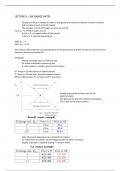
D£: those in US who want our exports/assets
S£: those in UK who want American exports/assets
When £ depreciates, D£ increases and S£ decreases
People buy pounds so they can buy UK
exports/assets.
The demand for pounds is downward sloping
This is due to the exports effect
- Sales of pounds depends on our demand for imports
- To make these purchases, we exchange pounds for other currencies
- Supply of pounds is upward-sloping => imports effect
- Foreign currency is needed in order to buy goods and services produced in other countries
- E/R are determined in the FX market
- The number of units of foreign currency per pound
e.g./ E$/£ = 2 means £1 gets you $2
- A rise in E is an appreciation of the pound
- A fall in E is a pound depreciation
2007: E$/£ = 2
2017: E$/£ = 1.25
This meant a fall in external purchasing power of the pound and so British tourists are worse off and
American tourists are better off
FX Market
- Where exchange rates are determined
- $5 trillion transaction volumes a day
- 3 main locations, London, New York and Tokyo
D£: those in US who want our exports/assets
S£: those in UK who want American exports/assets
When £ depreciates, D£ increases and S£ decreases
People buy pounds so they can buy UK
exports/assets.
The demand for pounds is downward sloping
This is due to the exports effect
- Sales of pounds depends on our demand for imports
- To make these purchases, we exchange pounds for other currencies
- Supply of pounds is upward-sloping => imports effect