MISTAKE ESSAY PLAN
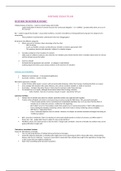
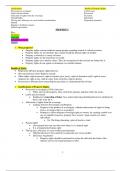
DO WE NEED THE DOCTRINE OF MISTAKE?
Unifying feature of doctrine – leads to contract being void ab initio
- Logical implication of absent of consent necessary for contractual obligation – it is ‘nullified’; “greatest defect that can occur in
the contract”
But – could be argued that mistake = unsuccessful synthesis. A number of problems are being addressed using just one category & it is
unnecessary
- These problems would be better understood if they were disaggregated
Break down the different categories
1. Where one party’s mistake is taken advantage of by the other
- Akin to misrep
- Courts use flexible concepts and discretionary remedies to fashion appropriate relief
- This produces tension with automatic ‘voidness’ in mistake category
2. Considers problems in the formation of contracts
- Little scope of unilateral contracts; only when the non-mistaken party knows that the other is mistaken about terms of contract
will the mistake prevent formation
3. Common mistake
- No doubt that an agreement was reached – so category is quite distinct
- Justifying legal intervention poses similar problems to the doctrine of frustration
Voidness and Voidability
Debate isn’t just abstract – it has practical significance.
Automatic voidness = drastic remedy
Alternative approach to mistake:
Locate it firmly within equity’s concern with unconscionable behaviour rather than having a fundamental effect on consent
So by analogy with situations like undue influence, the contract would be voidable i.e. liable to rescission
Even today – mistakes induced by fraud or misrep lead to rescission under those doctrines
So mistake lives on in equity, although disconnected rather than forming a doctrine
o Solle v Butcher; ‘doctrine of common mistake in equity’; rejected by TGP case
Catherine McMillan
Modern law of mistake came about by mistake; equitable mistake was neglected and forgotten
Treatise writers (Pollock) were keen to restructure law of contract using the Will Theory. This was poorly executed
- P found equity peculiar and so overlooked and marginalised equitable rules. So P was clear that the effect of
mistake was to render the contract a nullity from the beginning
- But it didn’t occur to P the invidious results that would occur in commercial practice. P didn’t offer guidance on
how to distinguish mistakes (rendering contract void) from fraud or misrep (rendering contract voidable)
- Will Theory = subjectivist theory
- Later, P endorsed objective view of contract. However, his chapter on mistake remained unchanged, becoming an
“intellectual orphan”.
Bell v Lever Bros marked the “birth of a doctrine of contractual mistake based on a failure of consent. Lord Atkin made P’s
theory law”. But – judges didn’t have to adopt P’s view so why did they?
McMillan’s thesis: the result has been a doctrine that is “dangerously unreliable”. Doctrine of mistake has shallow roots and no
good justification to begin with
Tetternborn: Immediate Voidness
Argues for liberalisation of mistake
You can only bring doctrine of mistake before performance has begun
Seems like arbitrary distinction: a mistaken seller might seem no less deserving of relief a minute after than a minute before
delivery. But this isn’t arbitrary: “a person’s moral claim to keep what they already have ought to be regarded as stronger than
a claim to get what you might be entitled to”
Easier than unwinding partly executed transactions
DO WE NEED THE DOCTRINE OF MISTAKE?
Unifying feature of doctrine – leads to contract being void ab initio
- Logical implication of absent of consent necessary for contractual obligation – it is ‘nullified’; “greatest defect that can occur in
the contract”
But – could be argued that mistake = unsuccessful synthesis. A number of problems are being addressed using just one category & it is
unnecessary
- These problems would be better understood if they were disaggregated
Break down the different categories
1. Where one party’s mistake is taken advantage of by the other
- Akin to misrep
- Courts use flexible concepts and discretionary remedies to fashion appropriate relief
- This produces tension with automatic ‘voidness’ in mistake category
2. Considers problems in the formation of contracts
- Little scope of unilateral contracts; only when the non-mistaken party knows that the other is mistaken about terms of contract
will the mistake prevent formation
3. Common mistake
- No doubt that an agreement was reached – so category is quite distinct
- Justifying legal intervention poses similar problems to the doctrine of frustration
Voidness and Voidability
Debate isn’t just abstract – it has practical significance.
Automatic voidness = drastic remedy
Alternative approach to mistake:
Locate it firmly within equity’s concern with unconscionable behaviour rather than having a fundamental effect on consent
So by analogy with situations like undue influence, the contract would be voidable i.e. liable to rescission
Even today – mistakes induced by fraud or misrep lead to rescission under those doctrines
So mistake lives on in equity, although disconnected rather than forming a doctrine
o Solle v Butcher; ‘doctrine of common mistake in equity’; rejected by TGP case
Catherine McMillan
Modern law of mistake came about by mistake; equitable mistake was neglected and forgotten
Treatise writers (Pollock) were keen to restructure law of contract using the Will Theory. This was poorly executed
- P found equity peculiar and so overlooked and marginalised equitable rules. So P was clear that the effect of
mistake was to render the contract a nullity from the beginning
- But it didn’t occur to P the invidious results that would occur in commercial practice. P didn’t offer guidance on
how to distinguish mistakes (rendering contract void) from fraud or misrep (rendering contract voidable)
- Will Theory = subjectivist theory
- Later, P endorsed objective view of contract. However, his chapter on mistake remained unchanged, becoming an
“intellectual orphan”.
Bell v Lever Bros marked the “birth of a doctrine of contractual mistake based on a failure of consent. Lord Atkin made P’s
theory law”. But – judges didn’t have to adopt P’s view so why did they?
McMillan’s thesis: the result has been a doctrine that is “dangerously unreliable”. Doctrine of mistake has shallow roots and no
good justification to begin with
Tetternborn: Immediate Voidness
Argues for liberalisation of mistake
You can only bring doctrine of mistake before performance has begun
Seems like arbitrary distinction: a mistaken seller might seem no less deserving of relief a minute after than a minute before
delivery. But this isn’t arbitrary: “a person’s moral claim to keep what they already have ought to be regarded as stronger than
a claim to get what you might be entitled to”
Easier than unwinding partly executed transactions