Document consists of 7a, 7b, and 7c, to make up all of
unit 7 assessment criteria
7a:
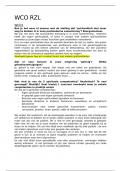
Component Parameters
considered to be
normal in an adult
human.
Haemoglobin Males: 14-18g/dl
Females: 12-16g/dl (1)
Red cell count Males: 4 - 5.9x10^12/L
Females: 3.8 – 5.2x10^12/L
(2)
Mean cell volume 80-100fL (3)
White cell count 4500-11,000 cells per
microlitre (4)
Erythrocyte Men: less than 15mm/hr
Women: less that 20mm/hr (5)
sedimentation rate
fibrinogen 2-4 g/L (6)
Component Structure Function Origin
, of blood
Erythrocytes Carry oxygen Formed in the
Bi concave disk Haemoglobin binds bone marrow
shape to oxygen to carry
No nucleus it to where it is
Space to carry needed
oxygen
Contain haemoglobin
Leucocytes Combat infections Bone marrow
Round shape Release antibodies
Have a nucleus to identify and
destroy pathogens
Can remember
pathogens, until the
memory cells die
Release antitoxins
to counteract the
effect of toxins
from pathogens
Thrombocytes Clump at the site Bone marrow
Are platelets of a wound or
Are small fragments break in skin
of cells (2-4 barrier.
micrometres) (7) Avoids blood loss
and ensures foreign
bodies cant enter
the body.
Plasma and Plasma carries Plasma and
Plasma is the liquid substances like serum comes
Serum part of blood and is amino acids, from water and
straw coloured glucose, hormones, salt that’s
Serum is the liquid and plasma reabsorbed
left after blood proteins like from digestion
coltting (7) fibrinogen, Serum is part
globulins, albumin. of the blood (7)
(7)
Type of Description Role in
Leucocyte immunity
, Macrophage Large in size Kills pathogens
Type of white blood cell Stimulates other cells in
immunity
Removes dead cells (7)
Neutrophil Can change shape Engulf pathogen and release
enzymes to destroy them (7)
Type of wbc
T-lymphocyte Type of wbc They destroy any cells that have
been infected by the pathogen
(7)
B-lymphocyte Produce antibodies
Type of wbc Can become memory cells (7)
Basophil Type of wbc Produce histamine to allow for
an inflammatory response (7)
Eosinophil Type of wbc Destroy parasites and can be
involved in allergic reactions (7)
Haemostasis is the process by which the body works to reduce the flow of blood to the site of a wound8.
The main processes involved are primary and secondary haemostasis and fibrinolysis. In primary
haemostasis, the body reduces the flow of blood to the site of the wound and platelets also come to
form at the site. During secondary haemostasis, plasma clots. Fibrinolysis then occurs when the wound
has healed, so then the clot is broken down9.
References:
1) https://www.ncbi.nlm.nih.gov/books/NBK259/#:~:text=To%20ensure%20adequate%20tissue
%20oxygenation,12%20to%2016%20g%2Fdl.
2) https://www.nhs.uk/conditions/red-blood-count/#:~:text=A%20normal%20RBC%20count
%20would,5.2%20x%2010%5E12%2FL
3) https://www.ncbi.nlm.nih.gov/books/NBK545275/#:~:text=On%20a%20complete%20blood
%20count,between%2080%20and%20100%20fL.
4) https://www.mountsinai.org/health-library/tests/wbc-count#:~:text=The%20normal%20number
%20of%20WBCs,provider%20about%20your%20test%20results.
, 5) https://www.mountsinai.org/health-library/tests/esr#:~:text=Normal%20Results,less%20than
%2020%20mm%2Fhr
6) https://www.ucsfhealth.org/medical-tests/fibrinogen-blood-test#:~:text=The%20normal
%20range%20is%20200,of%20your%20specific%20test%20results.
7) Components of blood pptx
8) https://my.clevelandclinic.org/health/symptoms/21999-hemostasis
9) https://medlineplus.gov/ency/article/000577.htm#:~:text=Fibrinolysis%20is%20a%20normal
%20body,the%20normal%20breakdown%20of%20clots.
Erythrocyte disorder:
One erythrocyte disorder is erythrocytosis. This is a disorder where the body
produces too many red blood cells1.
This causes the blood to contain too many red blood cells and so the blood becomes
thick. This makes it more difficult for it to flow through the blood vessels. It can have
a knock-on effect like causing blood clots in the blood vessels1. The blood will then
contain red blood cells which have an increased volume. They will take up a larger
area of space in the blood. There then must be less room for other components of
the blood like leukocytes.(structure and function)
This causes symptoms like tiredness, headaches, blurred vision, and in more severe
cases there can be chest pain, fainting, and coughing up blood1.
Erythrocytosis is diagnosed using blood tests. If a person exhibits symptoms, they
may be advised to take a blood test to establish any illness. Sometimes disorders
are just caught during a routine check. The blood test would look out for the number
of red blood cells (RBC) and how much space the red blood cells take up1. If the
RBC are more than 5.9x10^12/L for men or more than 5.2x10^12/L for women,
then there is chance of there being an issue(compositions of blood/number). The
volume of red blood cells is determined using the microhematocrit method2. The
normal size of a red blood cell is 7.5 to 8.7 micrometers in diameter and 1.7 to 2.2
micrometers in thickness(compositions). If the test shows that the blood cells are
beyond this average range, then it can be indicative of an issue. Then the person
will be referred to have more tests to establish the cause. Further tests may reveal
that the person has erythrocytosis.
Leukocyte disorder:
One leukocyte disorder is leukemia. This is an issue where there is an excess of
white blood cells present in the blood. It causes there not to be enough room in the
blood for other components of the blood like erythrocytes. There is a very high
concentration of white blood cells in the blood and so this can cause there to be a
decline in the amount of oxygen delivered in the body. There is also an increased
risk of thrombosis. This can cause symptoms. These include tiredness/fatigue,
unit 7 assessment criteria
7a:
Component Parameters
considered to be
normal in an adult
human.
Haemoglobin Males: 14-18g/dl
Females: 12-16g/dl (1)
Red cell count Males: 4 - 5.9x10^12/L
Females: 3.8 – 5.2x10^12/L
(2)
Mean cell volume 80-100fL (3)
White cell count 4500-11,000 cells per
microlitre (4)
Erythrocyte Men: less than 15mm/hr
Women: less that 20mm/hr (5)
sedimentation rate
fibrinogen 2-4 g/L (6)
Component Structure Function Origin
, of blood
Erythrocytes Carry oxygen Formed in the
Bi concave disk Haemoglobin binds bone marrow
shape to oxygen to carry
No nucleus it to where it is
Space to carry needed
oxygen
Contain haemoglobin
Leucocytes Combat infections Bone marrow
Round shape Release antibodies
Have a nucleus to identify and
destroy pathogens
Can remember
pathogens, until the
memory cells die
Release antitoxins
to counteract the
effect of toxins
from pathogens
Thrombocytes Clump at the site Bone marrow
Are platelets of a wound or
Are small fragments break in skin
of cells (2-4 barrier.
micrometres) (7) Avoids blood loss
and ensures foreign
bodies cant enter
the body.
Plasma and Plasma carries Plasma and
Plasma is the liquid substances like serum comes
Serum part of blood and is amino acids, from water and
straw coloured glucose, hormones, salt that’s
Serum is the liquid and plasma reabsorbed
left after blood proteins like from digestion
coltting (7) fibrinogen, Serum is part
globulins, albumin. of the blood (7)
(7)
Type of Description Role in
Leucocyte immunity
, Macrophage Large in size Kills pathogens
Type of white blood cell Stimulates other cells in
immunity
Removes dead cells (7)
Neutrophil Can change shape Engulf pathogen and release
enzymes to destroy them (7)
Type of wbc
T-lymphocyte Type of wbc They destroy any cells that have
been infected by the pathogen
(7)
B-lymphocyte Produce antibodies
Type of wbc Can become memory cells (7)
Basophil Type of wbc Produce histamine to allow for
an inflammatory response (7)
Eosinophil Type of wbc Destroy parasites and can be
involved in allergic reactions (7)
Haemostasis is the process by which the body works to reduce the flow of blood to the site of a wound8.
The main processes involved are primary and secondary haemostasis and fibrinolysis. In primary
haemostasis, the body reduces the flow of blood to the site of the wound and platelets also come to
form at the site. During secondary haemostasis, plasma clots. Fibrinolysis then occurs when the wound
has healed, so then the clot is broken down9.
References:
1) https://www.ncbi.nlm.nih.gov/books/NBK259/#:~:text=To%20ensure%20adequate%20tissue
%20oxygenation,12%20to%2016%20g%2Fdl.
2) https://www.nhs.uk/conditions/red-blood-count/#:~:text=A%20normal%20RBC%20count
%20would,5.2%20x%2010%5E12%2FL
3) https://www.ncbi.nlm.nih.gov/books/NBK545275/#:~:text=On%20a%20complete%20blood
%20count,between%2080%20and%20100%20fL.
4) https://www.mountsinai.org/health-library/tests/wbc-count#:~:text=The%20normal%20number
%20of%20WBCs,provider%20about%20your%20test%20results.
, 5) https://www.mountsinai.org/health-library/tests/esr#:~:text=Normal%20Results,less%20than
%2020%20mm%2Fhr
6) https://www.ucsfhealth.org/medical-tests/fibrinogen-blood-test#:~:text=The%20normal
%20range%20is%20200,of%20your%20specific%20test%20results.
7) Components of blood pptx
8) https://my.clevelandclinic.org/health/symptoms/21999-hemostasis
9) https://medlineplus.gov/ency/article/000577.htm#:~:text=Fibrinolysis%20is%20a%20normal
%20body,the%20normal%20breakdown%20of%20clots.
Erythrocyte disorder:
One erythrocyte disorder is erythrocytosis. This is a disorder where the body
produces too many red blood cells1.
This causes the blood to contain too many red blood cells and so the blood becomes
thick. This makes it more difficult for it to flow through the blood vessels. It can have
a knock-on effect like causing blood clots in the blood vessels1. The blood will then
contain red blood cells which have an increased volume. They will take up a larger
area of space in the blood. There then must be less room for other components of
the blood like leukocytes.(structure and function)
This causes symptoms like tiredness, headaches, blurred vision, and in more severe
cases there can be chest pain, fainting, and coughing up blood1.
Erythrocytosis is diagnosed using blood tests. If a person exhibits symptoms, they
may be advised to take a blood test to establish any illness. Sometimes disorders
are just caught during a routine check. The blood test would look out for the number
of red blood cells (RBC) and how much space the red blood cells take up1. If the
RBC are more than 5.9x10^12/L for men or more than 5.2x10^12/L for women,
then there is chance of there being an issue(compositions of blood/number). The
volume of red blood cells is determined using the microhematocrit method2. The
normal size of a red blood cell is 7.5 to 8.7 micrometers in diameter and 1.7 to 2.2
micrometers in thickness(compositions). If the test shows that the blood cells are
beyond this average range, then it can be indicative of an issue. Then the person
will be referred to have more tests to establish the cause. Further tests may reveal
that the person has erythrocytosis.
Leukocyte disorder:
One leukocyte disorder is leukemia. This is an issue where there is an excess of
white blood cells present in the blood. It causes there not to be enough room in the
blood for other components of the blood like erythrocytes. There is a very high
concentration of white blood cells in the blood and so this can cause there to be a
decline in the amount of oxygen delivered in the body. There is also an increased
risk of thrombosis. This can cause symptoms. These include tiredness/fatigue,