Samenvatting Mosi
Tussentijdse toets
Inhoud
Week 1........................................................................................................................................................................ 2
1.1: HC 1.................................................................................................................................................................. 2
1.1.1: Coleman’s diagram....................................................................................................................................2
1.1.2: Common sense theory...............................................................................................................................2
1.1.3: Types of explanations?..............................................................................................................................4
1.2: Hedström Chapter 1 – The analytical tradition in Sociology.............................................................................4
1.3: Hedström Chapter 2 – Social mechanisms and explanatory theory.................................................................4
1.3.1. Covering law explanations.........................................................................................................................5
1.3.2. Statistical explanations..............................................................................................................................5
1.3.3. Mechanism explanations...........................................................................................................................6
1.4: Watts................................................................................................................................................................ 6
1.5: Coleman............................................................................................................................................................6
Week 2........................................................................................................................................................................ 7
2.1: HC 2 – Cooperation in Social Dilemmas 1.........................................................................................................7
2.1.1 The problem of Social Order.......................................................................................................................7
2.1.2 Hobbes........................................................................................................................................................7
2.1.3 Introduction to social dilemmas.................................................................................................................8
2.1.4 Game theory...............................................................................................................................................8
2.2: Hobbes.............................................................................................................................................................9
2.3: Easly & Kleinberg..............................................................................................................................................9
2.3.1 What is a game?.........................................................................................................................................9
2.3.2 Reasoning about Behavior in a game........................................................................................................10
2.3.3 Best responses and dominant strategies..................................................................................................10
2.3.4 Nash Equilibrium.......................................................................................................................................10
2.3.5 Multiple Equilibria: Coordination games..................................................................................................10
2.3.6 Multiple Equilibria: The Hawk-Dove Game...............................................................................................11
2.3.7 Mixed Strategies.......................................................................................................................................11
2.3.8 Mixed Strategies: Examples and Empirical analyses.................................................................................12
2.3.9 Pareto-optimality......................................................................................................................................12
2.4: Tutorial...........................................................................................................................................................13
Week 3...................................................................................................................................................................... 13
3.1 HC 3................................................................................................................................................................. 13
3.2 Axelrod............................................................................................................................................................15
, 3.2.1 Chapter 1..................................................................................................................................................15
3.3 Tutorial............................................................................................................................................................15
Week 4...................................................................................................................................................................... 16
4.1 HC - Theories of action and model building: the DBO-model..........................................................................16
4.2 Hedström – Action and interaction..................................................................................................................18
Week 1 P1
1.1: HC 1 Problem
Sociology as a problem-guided, empirical theoretical discipline
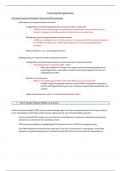
Theory making helps to understand problems (something we don’t P2
T1
New
understand). It’s a tool to help you figure the problem out, and should be problem
Theory
empirically tested. The cycle should look like this, because an answer always
leads to more questions.
E1
Emperical
research
1.1.1: Coleman’s diagram
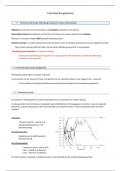
Wants to understand the relation between social conditions and collective effects. There is no causal relation
between macro condition and collective effects (C to D). There is always a link between social conditions to the
individuals (to their goals, expectations etc..) this determines their behaviour (C A B D). The link between
their goals, possibilities and options to the individual choices. But the individual choices are interdependent (e.g.
people sitting in the lecture makes other people sit in the back).
For a Coleman’s diagram you need:
1. Bridge assumptions
The assumptions you have, otherwise the conditions don’t lead to the certain goal.
2. Behavioural theory
A theory about how their goals and expectations translate into their action.
3. Transformation rules
**uitleg
1.1.2: Common sense theory
To explain the common sense theory, we’ll use the residential segregation in America as an example.
There are some types of problems (something we don’t understand) about this topic:
, 1. Descriptive problems
a. Trends over time
b. Cross-section: comparing North and South
2. Explanatory problems
a. Why is residential segregation rather stable over time?
b. Why are there hardly any differences in residential segregation between North and South?
3. Problems of institutional design
a. How to reduce or mitigate residential segregation
4. Normative problems
a. How much residential segregation is normatively acceptable?
b. What are acceptable cost of reducing or mitigating residential segregation?
What are possible causes of segregation?
1. Actors’ preferences and perceptions (prejudice, perception of being unwelcome a by-effect of
integration)
2. Constraints: income inequality/prices on the housing market.
Answers to these question (for example above) sometimes seem straightforward. This is due to the common
sense, a ‘bias’ that brings routine knowledge to our life, it is practical and non-formal (gezond verstand).
➔ When a theory sounds logically acceptable and true but when the totally opposite is suggested it seems
true as well. (e.g. : “Soldiers from rural backgrounds were usually in better spirits during their army life
than soldiers from city backgrounds.”)
➔ To avoid this Hedström introduced 5 important aspects of theory building.
1. Making things more precise: less ambiguous
Roughly: A city is more integrated, the more equal the distributions of Whites and Non-Whites are in all
neighbourhoods. When in country X 5% is minority, than you expect that in every area of a city 5%of them is a
minority.
Segregation index: The % of minorities (of the total) that has to move to reach a distribution in each
neighbourhood that is proportional to the distribution in the population. An area is more segregated if more
members of the minority group need to move to have perfect integration.
Case 1: 100%
Neighborhood 1: 400 Earthlings, 0 Martians;
Neighborhood 2: 0 Earthlings, 100 Martians
Case 2: 30%
Neighborhood 1: 200 Earthlings, 20 Martians;
Neighborhood 2: 200 Earthlings, 80 Martians
Case 3: 0%
Neighborhood 1: 200 Earthlings, 50 Martians;
Neighborhood 2: 200 Earthlings, 50 Martians
2. Think about a mechanism
Add an mechanism about how you think it should work (often a theory)
Tussentijdse toets
Inhoud
Week 1........................................................................................................................................................................ 2
1.1: HC 1.................................................................................................................................................................. 2
1.1.1: Coleman’s diagram....................................................................................................................................2
1.1.2: Common sense theory...............................................................................................................................2
1.1.3: Types of explanations?..............................................................................................................................4
1.2: Hedström Chapter 1 – The analytical tradition in Sociology.............................................................................4
1.3: Hedström Chapter 2 – Social mechanisms and explanatory theory.................................................................4
1.3.1. Covering law explanations.........................................................................................................................5
1.3.2. Statistical explanations..............................................................................................................................5
1.3.3. Mechanism explanations...........................................................................................................................6
1.4: Watts................................................................................................................................................................ 6
1.5: Coleman............................................................................................................................................................6
Week 2........................................................................................................................................................................ 7
2.1: HC 2 – Cooperation in Social Dilemmas 1.........................................................................................................7
2.1.1 The problem of Social Order.......................................................................................................................7
2.1.2 Hobbes........................................................................................................................................................7
2.1.3 Introduction to social dilemmas.................................................................................................................8
2.1.4 Game theory...............................................................................................................................................8
2.2: Hobbes.............................................................................................................................................................9
2.3: Easly & Kleinberg..............................................................................................................................................9
2.3.1 What is a game?.........................................................................................................................................9
2.3.2 Reasoning about Behavior in a game........................................................................................................10
2.3.3 Best responses and dominant strategies..................................................................................................10
2.3.4 Nash Equilibrium.......................................................................................................................................10
2.3.5 Multiple Equilibria: Coordination games..................................................................................................10
2.3.6 Multiple Equilibria: The Hawk-Dove Game...............................................................................................11
2.3.7 Mixed Strategies.......................................................................................................................................11
2.3.8 Mixed Strategies: Examples and Empirical analyses.................................................................................12
2.3.9 Pareto-optimality......................................................................................................................................12
2.4: Tutorial...........................................................................................................................................................13
Week 3...................................................................................................................................................................... 13
3.1 HC 3................................................................................................................................................................. 13
3.2 Axelrod............................................................................................................................................................15
, 3.2.1 Chapter 1..................................................................................................................................................15
3.3 Tutorial............................................................................................................................................................15
Week 4...................................................................................................................................................................... 16
4.1 HC - Theories of action and model building: the DBO-model..........................................................................16
4.2 Hedström – Action and interaction..................................................................................................................18
Week 1 P1
1.1: HC 1 Problem
Sociology as a problem-guided, empirical theoretical discipline
Theory making helps to understand problems (something we don’t P2
T1
New
understand). It’s a tool to help you figure the problem out, and should be problem
Theory
empirically tested. The cycle should look like this, because an answer always
leads to more questions.
E1
Emperical
research
1.1.1: Coleman’s diagram
Wants to understand the relation between social conditions and collective effects. There is no causal relation
between macro condition and collective effects (C to D). There is always a link between social conditions to the
individuals (to their goals, expectations etc..) this determines their behaviour (C A B D). The link between
their goals, possibilities and options to the individual choices. But the individual choices are interdependent (e.g.
people sitting in the lecture makes other people sit in the back).
For a Coleman’s diagram you need:
1. Bridge assumptions
The assumptions you have, otherwise the conditions don’t lead to the certain goal.
2. Behavioural theory
A theory about how their goals and expectations translate into their action.
3. Transformation rules
**uitleg
1.1.2: Common sense theory
To explain the common sense theory, we’ll use the residential segregation in America as an example.
There are some types of problems (something we don’t understand) about this topic:
, 1. Descriptive problems
a. Trends over time
b. Cross-section: comparing North and South
2. Explanatory problems
a. Why is residential segregation rather stable over time?
b. Why are there hardly any differences in residential segregation between North and South?
3. Problems of institutional design
a. How to reduce or mitigate residential segregation
4. Normative problems
a. How much residential segregation is normatively acceptable?
b. What are acceptable cost of reducing or mitigating residential segregation?
What are possible causes of segregation?
1. Actors’ preferences and perceptions (prejudice, perception of being unwelcome a by-effect of
integration)
2. Constraints: income inequality/prices on the housing market.
Answers to these question (for example above) sometimes seem straightforward. This is due to the common
sense, a ‘bias’ that brings routine knowledge to our life, it is practical and non-formal (gezond verstand).
➔ When a theory sounds logically acceptable and true but when the totally opposite is suggested it seems
true as well. (e.g. : “Soldiers from rural backgrounds were usually in better spirits during their army life
than soldiers from city backgrounds.”)
➔ To avoid this Hedström introduced 5 important aspects of theory building.
1. Making things more precise: less ambiguous
Roughly: A city is more integrated, the more equal the distributions of Whites and Non-Whites are in all
neighbourhoods. When in country X 5% is minority, than you expect that in every area of a city 5%of them is a
minority.
Segregation index: The % of minorities (of the total) that has to move to reach a distribution in each
neighbourhood that is proportional to the distribution in the population. An area is more segregated if more
members of the minority group need to move to have perfect integration.
Case 1: 100%
Neighborhood 1: 400 Earthlings, 0 Martians;
Neighborhood 2: 0 Earthlings, 100 Martians
Case 2: 30%
Neighborhood 1: 200 Earthlings, 20 Martians;
Neighborhood 2: 200 Earthlings, 80 Martians
Case 3: 0%
Neighborhood 1: 200 Earthlings, 50 Martians;
Neighborhood 2: 200 Earthlings, 50 Martians
2. Think about a mechanism
Add an mechanism about how you think it should work (often a theory)