Charles I:1625-49 Republic: 1649-1660 Charles II: 1660-1685
James: 1685-88 William of Orange: 1688-1694
TOPIC 1
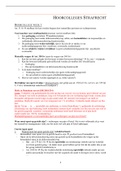
Political Instability- divisions within government, opposition, fast turnovers, poor performances
abroad, weak economy and lack of faith in the government.
✅*2024 How accurate is it to say that in the years 1625-40 the problems faced by the monarchy
were primarily due to religious issues?
Introduction:
- Sentence or two on the context:
- Definition of the criteria: problems faced by the monarchy- increased opposition, economic weakness,
inability to cooperate with parliament.
- Factors you will discuss: Religious issues, actions of parliament, actions of Charles I.
- Your argument: Primarily the actions of Charles I caused an irreparable deterioration in the relationship
between the monarch and parliament, increased opposition and incorporated unwise economic
policies that were ultimately poor actions of Charles I.
Point Religious issues
(which factor)
Evidence and Evidence 1: Laudian Reforms- William Laud became Archbishop of Canterbury in 1633.
explanation The Laudian church implemented Arminianism, this resembled Catholicism; emphasis on
(explanations must authority and order, move the altar to the east end of the Church, vestments, ‘beauty of
revisit the criteria holiness’
from the Linked with absolutism.
introduction. ) Explain 1: This led to increased opposition particularly from Puritans who opposed the
religious settlement. Laud was dubbed an ‘evil councillor’, bonfires were lit when he was
assassinated in 1645 (suggesting he was widely opposed).
Burton Bastwick and Prynne published criticisms of the Church.
Evidence 2: Marriage to Henrietta Maria 1625 who was catholic, she brought a catholic
court and educated her children as catholic.
Papal convoys visited Charles 1634 and 1637.
Explain 2: Led to further opposition and suspicion of a catholic conspiracy. The 1641
Grand Remonstrance was presented by Parliament and blamed 204 objections to
Charles/the monarchy on a Catholic conspiracy.
Evidence 3: Charles I’s attempt to impose religious changes in Scotland- Book of Canons
and Book of Common Prayer without consulting Kirk.
Explain 3: provoked a strong and organised opposition e.g. rioting at St Giles cathedral
, (spearheaded by the Scottish clergy and nobility) and led to the Bishops’ Wars. The
ultimate problem faced by the monarchy would result in the end of the personal rule.
Evaluation: Counter Evaluation- religious opposition to the Lauian church was somewhat limited, most people
arguments to continued to attend the national church, and more crucially it was Charles’ actions that
weaken or links to implemented religious changes.
strengthen.
Judgement: “Overall, this factor was of barely, minimal, partial, great, considerable importance”
Where do you rank
this factor
Point Actions of Charles I -
(which factor) "If I granted your demands, I should be no more than the mere phantom of a king" to the
Long parliament
Evidence and Primarily, it was Laud who appointed William Laud and facilitated the implementation of
explanation Arminianism.
(explanations Evidence 1: Dissolves parliament so they won't impeach Buckingham 1626.
must revisit the
criteria from the Explain 1: Buckingham became a hated figure by parliament and the nation for his failures
introduction. ) abroad. (bonfires when he was assassinated). Dissolving parliament was seen as absolutist
and aggravated by MPs.
Evidence 2: Ship Money 1635- extended inland and becomes a regular tax by 1636
Explain 2: This leads to significant opposition e.g. John Hampden refused to pay. It was
highly unpopular. Eventually only raised 20% of expectations showing how the nation
opposed it.
Evidence 3: Personal rule antagonised parliament
Explain 3: Charles was greeted with an array of issues and grievances when he recalled
parliament in 1640. He fails to make any concessions merely demanding more money.
+1634 Popish Soap
+Burton Bastwick Prynne
+Forced Loan 1627
Charles continuously disregarded parliamentary sovereignty which would be the principle
motivator in the breakdown of relations and increase in opposition.
Evaluation: Evaluation- Antagonised parliament therefore deteriorating relations and exacerbating
Counter opposition more broadly.
arguments to
weaken or links to
strengthen.
Judgement: “Overall, this factor was of barely, minimal, partial, great, considerable importance”
Where do you
rank this factor
,Point Actions of parliament- nicknamed ‘useless parliament’ by Charles
(which factor)
Evidence and Evidence 1: Refused tonnage and poundage for life in 1625
explanation (customary since 1414)
(explanations
must revisit the Explain 1: established a precedent of charles & parliament having a weak and unstable
criteria from the relationship which perhaps was the cause of later problems. This was highly unusual, as
introduction. ) previous monarchs would have permitted it for life.
Evidence 2: 3 Resolutions 1629 (against Arminianism, and T+P) Turning point.
Explain 2: an attack on Charles’ policies and his royal prerogative, as a result Charles
dissolves parliament for 11 years showing it clearly triggered a breakdown in relations.
Pin the speaker down to make him pass them.
Evidence 3: Pyms Junto/Puritan MPs were anti charles. (including John Hampden)
Explain 3: Pym pushed for the 3 resolutions and 1628 Petition of Right which asked for the
reversal of the 5 knights case. Hampden refused to pay ship money in 1637 leading to
controversy, further breakdown in relations.
Evaluation: Evaluation- whilst the refusal of Tonnage and Poundage did break parliamentary president,
Counter following actions were primarily in response to the poor decision making of Charles himself,
arguments to who overstepped parliamentary sovereignty and aggravated politicians. Therefore, the
weaken or links to actions of Charles are primarily responsible.
strengthen.
Judgement: “Overall,
Where do you
rank this factor
Conclusion:
✅To what extent did the failures of the English government in the years 1625-42 arise from a lack
of money?
Introduction:
1. Sentence or two on the context:
1625-42 saw a series of difficulties and failures that ultimately concluded in the Civil War and execution of
Charles I.
2. Definition of the criteria:
Increased opposition, lack of cooperation with parliament and the monarch, ultimately Civil War
3. Factors you will discuss:
Personality of the King, religion, lack of money
4. Your argument:
, Overall shortage of money was the most impactful as it was deeply intertwined with political, religious and
economic issues. The shortage underlined the King’s reign and encouraged political instability as well as
displaying the King’s inability to solve problems with the help of Parliament.
Point Lack of Money
(which factor)
Evidence and Evidence 1: Charles inherited economic crisis and war with Spain
explanation
(explanations must Explain 1: Charles inherited an empty treasury, by 1620 the debt equalled £900,000. There
revisit the criteria were a series of bad grain harvests, continued dislocation of the cloth trade and a
from the plague that killed tens of thousands. These issues all created serious difficulty and forced
introduction. ) Charles to reevaluate his financial policy.
Evidence 2: Tonnage And Poundage
Explain 2: Shortage of money fabricated into his demand for Tonnage and Poundage
due to his severe need for improved finances. Parliament then refused annual collections
passing the three resolutions using force. This resulted in failure because it prevented the
effective cooperation between the two branches. Tension and distance grew, this was
arguably the catalyst for a series of disagreements based on finance and a lack of
money.
Evidence 3: Ship money
Explain 3: Collected by Charles to avoid cooperation with Parliament, was extended
inland in 1635. Opposition increased until its yield fell to just 20% of expected income in
1939. The Hampden case displayed this resistance; divisions among the judges delayed
its ruling and it was narrowly won by 7:5. Clearly widened political opposition and
undermined his leadership.
+1627 forced loan= 5 knights case 1627 who were imprisoned without habeas corpus
(arguably more the actions of charles)
+1634 Popish Soap
1637 distraint of knighthood
1639 Taxpayers strike yield fell to 20%= growing opposition (mainly to the Scottish troubles)
Lack of money provided the necessity for a series of dubious and unpopular methods of
raising funds. This led to increased opposition and tension with parliament.
Evaluation: Counter Evaluation
arguments to Can be argued a majority of the country complied with taxes, Charles was able to raise
weaken or links to about £200,000 which allowed him to rule for 2 years without relying on parliamentary
strengthen. grants.
Links to Charles personality as it would be his decisions and responses on the back of
financial issues that caused tensions. The economy was struggling so badly Charles'
personality exacerbated these issues.
Judgement: “Overall, this factor was of barely, minimal, partial, great, considerable importance”
Where do you rank
this factor
James: 1685-88 William of Orange: 1688-1694
TOPIC 1
Political Instability- divisions within government, opposition, fast turnovers, poor performances
abroad, weak economy and lack of faith in the government.
✅*2024 How accurate is it to say that in the years 1625-40 the problems faced by the monarchy
were primarily due to religious issues?
Introduction:
- Sentence or two on the context:
- Definition of the criteria: problems faced by the monarchy- increased opposition, economic weakness,
inability to cooperate with parliament.
- Factors you will discuss: Religious issues, actions of parliament, actions of Charles I.
- Your argument: Primarily the actions of Charles I caused an irreparable deterioration in the relationship
between the monarch and parliament, increased opposition and incorporated unwise economic
policies that were ultimately poor actions of Charles I.
Point Religious issues
(which factor)
Evidence and Evidence 1: Laudian Reforms- William Laud became Archbishop of Canterbury in 1633.
explanation The Laudian church implemented Arminianism, this resembled Catholicism; emphasis on
(explanations must authority and order, move the altar to the east end of the Church, vestments, ‘beauty of
revisit the criteria holiness’
from the Linked with absolutism.
introduction. ) Explain 1: This led to increased opposition particularly from Puritans who opposed the
religious settlement. Laud was dubbed an ‘evil councillor’, bonfires were lit when he was
assassinated in 1645 (suggesting he was widely opposed).
Burton Bastwick and Prynne published criticisms of the Church.
Evidence 2: Marriage to Henrietta Maria 1625 who was catholic, she brought a catholic
court and educated her children as catholic.
Papal convoys visited Charles 1634 and 1637.
Explain 2: Led to further opposition and suspicion of a catholic conspiracy. The 1641
Grand Remonstrance was presented by Parliament and blamed 204 objections to
Charles/the monarchy on a Catholic conspiracy.
Evidence 3: Charles I’s attempt to impose religious changes in Scotland- Book of Canons
and Book of Common Prayer without consulting Kirk.
Explain 3: provoked a strong and organised opposition e.g. rioting at St Giles cathedral
, (spearheaded by the Scottish clergy and nobility) and led to the Bishops’ Wars. The
ultimate problem faced by the monarchy would result in the end of the personal rule.
Evaluation: Counter Evaluation- religious opposition to the Lauian church was somewhat limited, most people
arguments to continued to attend the national church, and more crucially it was Charles’ actions that
weaken or links to implemented religious changes.
strengthen.
Judgement: “Overall, this factor was of barely, minimal, partial, great, considerable importance”
Where do you rank
this factor
Point Actions of Charles I -
(which factor) "If I granted your demands, I should be no more than the mere phantom of a king" to the
Long parliament
Evidence and Primarily, it was Laud who appointed William Laud and facilitated the implementation of
explanation Arminianism.
(explanations Evidence 1: Dissolves parliament so they won't impeach Buckingham 1626.
must revisit the
criteria from the Explain 1: Buckingham became a hated figure by parliament and the nation for his failures
introduction. ) abroad. (bonfires when he was assassinated). Dissolving parliament was seen as absolutist
and aggravated by MPs.
Evidence 2: Ship Money 1635- extended inland and becomes a regular tax by 1636
Explain 2: This leads to significant opposition e.g. John Hampden refused to pay. It was
highly unpopular. Eventually only raised 20% of expectations showing how the nation
opposed it.
Evidence 3: Personal rule antagonised parliament
Explain 3: Charles was greeted with an array of issues and grievances when he recalled
parliament in 1640. He fails to make any concessions merely demanding more money.
+1634 Popish Soap
+Burton Bastwick Prynne
+Forced Loan 1627
Charles continuously disregarded parliamentary sovereignty which would be the principle
motivator in the breakdown of relations and increase in opposition.
Evaluation: Evaluation- Antagonised parliament therefore deteriorating relations and exacerbating
Counter opposition more broadly.
arguments to
weaken or links to
strengthen.
Judgement: “Overall, this factor was of barely, minimal, partial, great, considerable importance”
Where do you
rank this factor
,Point Actions of parliament- nicknamed ‘useless parliament’ by Charles
(which factor)
Evidence and Evidence 1: Refused tonnage and poundage for life in 1625
explanation (customary since 1414)
(explanations
must revisit the Explain 1: established a precedent of charles & parliament having a weak and unstable
criteria from the relationship which perhaps was the cause of later problems. This was highly unusual, as
introduction. ) previous monarchs would have permitted it for life.
Evidence 2: 3 Resolutions 1629 (against Arminianism, and T+P) Turning point.
Explain 2: an attack on Charles’ policies and his royal prerogative, as a result Charles
dissolves parliament for 11 years showing it clearly triggered a breakdown in relations.
Pin the speaker down to make him pass them.
Evidence 3: Pyms Junto/Puritan MPs were anti charles. (including John Hampden)
Explain 3: Pym pushed for the 3 resolutions and 1628 Petition of Right which asked for the
reversal of the 5 knights case. Hampden refused to pay ship money in 1637 leading to
controversy, further breakdown in relations.
Evaluation: Evaluation- whilst the refusal of Tonnage and Poundage did break parliamentary president,
Counter following actions were primarily in response to the poor decision making of Charles himself,
arguments to who overstepped parliamentary sovereignty and aggravated politicians. Therefore, the
weaken or links to actions of Charles are primarily responsible.
strengthen.
Judgement: “Overall,
Where do you
rank this factor
Conclusion:
✅To what extent did the failures of the English government in the years 1625-42 arise from a lack
of money?
Introduction:
1. Sentence or two on the context:
1625-42 saw a series of difficulties and failures that ultimately concluded in the Civil War and execution of
Charles I.
2. Definition of the criteria:
Increased opposition, lack of cooperation with parliament and the monarch, ultimately Civil War
3. Factors you will discuss:
Personality of the King, religion, lack of money
4. Your argument:
, Overall shortage of money was the most impactful as it was deeply intertwined with political, religious and
economic issues. The shortage underlined the King’s reign and encouraged political instability as well as
displaying the King’s inability to solve problems with the help of Parliament.
Point Lack of Money
(which factor)
Evidence and Evidence 1: Charles inherited economic crisis and war with Spain
explanation
(explanations must Explain 1: Charles inherited an empty treasury, by 1620 the debt equalled £900,000. There
revisit the criteria were a series of bad grain harvests, continued dislocation of the cloth trade and a
from the plague that killed tens of thousands. These issues all created serious difficulty and forced
introduction. ) Charles to reevaluate his financial policy.
Evidence 2: Tonnage And Poundage
Explain 2: Shortage of money fabricated into his demand for Tonnage and Poundage
due to his severe need for improved finances. Parliament then refused annual collections
passing the three resolutions using force. This resulted in failure because it prevented the
effective cooperation between the two branches. Tension and distance grew, this was
arguably the catalyst for a series of disagreements based on finance and a lack of
money.
Evidence 3: Ship money
Explain 3: Collected by Charles to avoid cooperation with Parliament, was extended
inland in 1635. Opposition increased until its yield fell to just 20% of expected income in
1939. The Hampden case displayed this resistance; divisions among the judges delayed
its ruling and it was narrowly won by 7:5. Clearly widened political opposition and
undermined his leadership.
+1627 forced loan= 5 knights case 1627 who were imprisoned without habeas corpus
(arguably more the actions of charles)
+1634 Popish Soap
1637 distraint of knighthood
1639 Taxpayers strike yield fell to 20%= growing opposition (mainly to the Scottish troubles)
Lack of money provided the necessity for a series of dubious and unpopular methods of
raising funds. This led to increased opposition and tension with parliament.
Evaluation: Counter Evaluation
arguments to Can be argued a majority of the country complied with taxes, Charles was able to raise
weaken or links to about £200,000 which allowed him to rule for 2 years without relying on parliamentary
strengthen. grants.
Links to Charles personality as it would be his decisions and responses on the back of
financial issues that caused tensions. The economy was struggling so badly Charles'
personality exacerbated these issues.
Judgement: “Overall, this factor was of barely, minimal, partial, great, considerable importance”
Where do you rank
this factor