Formation of a Contract
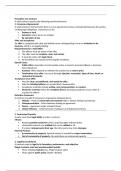
A valid contract requires the following essential elements:
1. Consensus (Agreement)
A valid contract is formed when there is a true agreement (animus contrahendi) between the parties,
creating legal obligations. Consensus can be:
Express or tacit
Assumed, where terms are implied
By operation of law
Offer and Acceptance
An offer is a proposal with clear and definite terms, distinguishing it from an invitation to do
business, which is not legally binding.
Requirements for a Valid Offer:
1. The offeree must be aware of the offer.
2. The offer must be complete, clear, and certain.
3. It must be made with legal intent.
4. No formalities are required unless legally mandated.
Special Cases:
Public offers: Generally not enforceable unless a reward is promised (Bloom v American
Swiss Watch Co).
Auctions: Offers depend on whether the auction has a reserve price.
Termination of an offer: Can occur through rejection, revocation, lapse of time, death, or
contractual incapacity.
Acceptance of an Offer
Must be clear, unconditional, and match the offer.
Only the intended offeree can accept (Bird v Summerville).
Acceptance methods include writing, oral communication, or conduct.
Electronic contracts follow the reception theory, meaning acceptance occurs when it
reaches the offeror.
Defective Consensus
A contract is invalid if consensus is improperly obtained due to:
1. Mistake – Must be reasonable and material (Allen v Sixteen Stirling Investments).
2. Misrepresentation – False statement leading to agreement.
3. Duress – Agreement under unlawful threat.
4. Undue Influence – Unfair pressure resulting in an imbalanced contract.
2. Contractual Capacity
A party must have legal ability to enter a contract.
Minors:
Require guardian assistance unless acquiring rights without duties.
Unassisted contracts are voidable but can be ratified at 18.
If a minor misrepresents their age, the other party may claim damages.
Married Persons:
In community of property: Spousal consent is needed for major transactions.
Out of community of property: No restrictions on contractual capacity.
3. Legality (Lawfulness)
A contract must be legal in its formation, performance, and objective.
Illegal contracts (void and unenforceable) include:
Those violating statutes (e.g., illegal weapon sales).
Those against public policy (Sasfin v Beukes).
A valid contract requires the following essential elements:
1. Consensus (Agreement)
A valid contract is formed when there is a true agreement (animus contrahendi) between the parties,
creating legal obligations. Consensus can be:
Express or tacit
Assumed, where terms are implied
By operation of law
Offer and Acceptance
An offer is a proposal with clear and definite terms, distinguishing it from an invitation to do
business, which is not legally binding.
Requirements for a Valid Offer:
1. The offeree must be aware of the offer.
2. The offer must be complete, clear, and certain.
3. It must be made with legal intent.
4. No formalities are required unless legally mandated.
Special Cases:
Public offers: Generally not enforceable unless a reward is promised (Bloom v American
Swiss Watch Co).
Auctions: Offers depend on whether the auction has a reserve price.
Termination of an offer: Can occur through rejection, revocation, lapse of time, death, or
contractual incapacity.
Acceptance of an Offer
Must be clear, unconditional, and match the offer.
Only the intended offeree can accept (Bird v Summerville).
Acceptance methods include writing, oral communication, or conduct.
Electronic contracts follow the reception theory, meaning acceptance occurs when it
reaches the offeror.
Defective Consensus
A contract is invalid if consensus is improperly obtained due to:
1. Mistake – Must be reasonable and material (Allen v Sixteen Stirling Investments).
2. Misrepresentation – False statement leading to agreement.
3. Duress – Agreement under unlawful threat.
4. Undue Influence – Unfair pressure resulting in an imbalanced contract.
2. Contractual Capacity
A party must have legal ability to enter a contract.
Minors:
Require guardian assistance unless acquiring rights without duties.
Unassisted contracts are voidable but can be ratified at 18.
If a minor misrepresents their age, the other party may claim damages.
Married Persons:
In community of property: Spousal consent is needed for major transactions.
Out of community of property: No restrictions on contractual capacity.
3. Legality (Lawfulness)
A contract must be legal in its formation, performance, and objective.
Illegal contracts (void and unenforceable) include:
Those violating statutes (e.g., illegal weapon sales).
Those against public policy (Sasfin v Beukes).