1
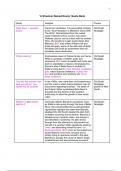
‘A Streetcar Named Desire’ Quote Bank
Quote Analysis Theme
‘Belle Reve’ - ‘beautiful French for translation. It is personified similarly Old South
dream’ to the ‘Tara Plantation’ in Mitchell’s ‘Gone With Nostalgia
The Wind’. Romanticised from the outset.
Likely inspired by Rive country club where
Williams used to visit as a teen with his mother.
Here, she would try to gain social status (like
Blanche). BUT also where Williams fell and
broke his teeth, warns of the dark side of Belle
Reve/the Old South as somewhere that will
inevitably cause destruction.
‘White columns’ Emphasises power of Dubois family and home. Old South
White is symbolic of wealth, purity and Nostalgia
innocence. BUT ironic as wealth and home was
built on exploitation of slaves. Emphasised by
Eunice’s awe of Belle Reve in contrast to
Stella’s home that is ‘white frame[d], weathered
gray’ which Blanche belittles to ‘a place like
this’ and wonders how anybody can ‘live in
these conditions’.
‘You left, the summer dad In the 1900s, men were seen as breadwinners Old South
died, you left us’ ‘you and the ones in which had jurisdiction over all Nostalgia/
looked out for yourself’ documents regarding business. The death of growth of New
the Dubois’ father symbolises Belle Reve’s South
downfall and the decline of the southern
aristocracy to allow the growth of new social
order.
‘Beld for it’ and ‘almost Comically reflects Blanche’s sensitivity, ironic Old South
died for it’ as Stella is also going through the loss of Belle Nostalgia
Reve; this presents Blanche as self absorbed.
Hyperboles highlight the extent that Blanche
idealised the Old South despite the dark truth
of deaths occurring and its decline. Blanche is
blinded by her romantic vision; she misses it
and describes it positively. It's also shown
through how she attempts to still present her
old self of a southern belle repetitively wearing
‘white’ and describing herself to have ‘old
fashioned ideals’. BUT ironic as the audience is
aware Blanche is far from innocent and is
simply trying to reemerse herself in the past;
Blanche is actually the cause of Allan’s death,
constantly lies and was previously an escort.
, 2
‘Pulled [Stella] down from Stanley acknowledges the dark side of the Old Growth of
those white columns’ South, most likely due to the fact that itv was at New South
the expense of working class citizens just like
him. He physically encouraged Stella to leave
Belle Reve but also did so metaphorically by
bringing Stella’s attitude back down to Earth,
less snobbish unlike Blanche who is still stuck
in the ideals of the Old South. In a Marxist lens,
this reflects Stella giving in to the decline of the
aristocratic Old South and move towards the
new industrial North.
‘white frame[d], weathered Fading colour of ‘white’ implies that life in the Appearance
gray’ Industrial New World of the French Quarter is versus Reality
poorer and more realistic than the Old South -
hence why Blanche, who lives in fantasy,
struggles there.
‘Easy intermingling of multicultural Growth of
races’ New South
‘They told me to take a The journey from the train station to the Women/
Streetcar named Desire, Kowalski apartment is an allegorical version of death/
and transfer to one called her life up to this point in time. Her illicit pursuit sexuality
Cemeteries, and ride six of her sexual ‘desires’ led to her social death
blocks and get off at - and expulsion from her hometown of Laurel.
Elysian Fields!’ ‘Streetcar’ is a symbol of life - it keeps plodding
along its tracks just as women must in their
lives. If they stick to the conventional positions,
even though it causes them to be vulnerable -
they will survive in society.
‘Yes’ ‘no’ ‘thanks’ Short responses and sharp tone highlights how Old South
Blanche looks down on Eunice. This contrasts Nostalgia
to Eunice’s friendly tone and longer sentences,
creating the idea that Blanche wants to ‘be left
alone’ as she sees Eunice as inferior company.
Blanche cannot move away from her old
patriarchal ideologies surrounding social
hierarchy. Blanche acts in an elitist manner as
a way to elevate herself and continue living in
the past because, in reality, she is actually
lower than Eunice with jurisdiction over nothing
and forced to leave Laurel.
‘Animal’ ‘sub-human’ Ethnic stereotype of Polish people in the 40s Old South
‘Polack’ and a ‘Survivor of was that they were ‘idiot[s]’ or unintelligible. Nostalgia
the Stone Age!’ Blanche believes that social status and human
worth are inextricably linked. Blanche using
‘A Streetcar Named Desire’ Quote Bank
Quote Analysis Theme
‘Belle Reve’ - ‘beautiful French for translation. It is personified similarly Old South
dream’ to the ‘Tara Plantation’ in Mitchell’s ‘Gone With Nostalgia
The Wind’. Romanticised from the outset.
Likely inspired by Rive country club where
Williams used to visit as a teen with his mother.
Here, she would try to gain social status (like
Blanche). BUT also where Williams fell and
broke his teeth, warns of the dark side of Belle
Reve/the Old South as somewhere that will
inevitably cause destruction.
‘White columns’ Emphasises power of Dubois family and home. Old South
White is symbolic of wealth, purity and Nostalgia
innocence. BUT ironic as wealth and home was
built on exploitation of slaves. Emphasised by
Eunice’s awe of Belle Reve in contrast to
Stella’s home that is ‘white frame[d], weathered
gray’ which Blanche belittles to ‘a place like
this’ and wonders how anybody can ‘live in
these conditions’.
‘You left, the summer dad In the 1900s, men were seen as breadwinners Old South
died, you left us’ ‘you and the ones in which had jurisdiction over all Nostalgia/
looked out for yourself’ documents regarding business. The death of growth of New
the Dubois’ father symbolises Belle Reve’s South
downfall and the decline of the southern
aristocracy to allow the growth of new social
order.
‘Beld for it’ and ‘almost Comically reflects Blanche’s sensitivity, ironic Old South
died for it’ as Stella is also going through the loss of Belle Nostalgia
Reve; this presents Blanche as self absorbed.
Hyperboles highlight the extent that Blanche
idealised the Old South despite the dark truth
of deaths occurring and its decline. Blanche is
blinded by her romantic vision; she misses it
and describes it positively. It's also shown
through how she attempts to still present her
old self of a southern belle repetitively wearing
‘white’ and describing herself to have ‘old
fashioned ideals’. BUT ironic as the audience is
aware Blanche is far from innocent and is
simply trying to reemerse herself in the past;
Blanche is actually the cause of Allan’s death,
constantly lies and was previously an escort.
, 2
‘Pulled [Stella] down from Stanley acknowledges the dark side of the Old Growth of
those white columns’ South, most likely due to the fact that itv was at New South
the expense of working class citizens just like
him. He physically encouraged Stella to leave
Belle Reve but also did so metaphorically by
bringing Stella’s attitude back down to Earth,
less snobbish unlike Blanche who is still stuck
in the ideals of the Old South. In a Marxist lens,
this reflects Stella giving in to the decline of the
aristocratic Old South and move towards the
new industrial North.
‘white frame[d], weathered Fading colour of ‘white’ implies that life in the Appearance
gray’ Industrial New World of the French Quarter is versus Reality
poorer and more realistic than the Old South -
hence why Blanche, who lives in fantasy,
struggles there.
‘Easy intermingling of multicultural Growth of
races’ New South
‘They told me to take a The journey from the train station to the Women/
Streetcar named Desire, Kowalski apartment is an allegorical version of death/
and transfer to one called her life up to this point in time. Her illicit pursuit sexuality
Cemeteries, and ride six of her sexual ‘desires’ led to her social death
blocks and get off at - and expulsion from her hometown of Laurel.
Elysian Fields!’ ‘Streetcar’ is a symbol of life - it keeps plodding
along its tracks just as women must in their
lives. If they stick to the conventional positions,
even though it causes them to be vulnerable -
they will survive in society.
‘Yes’ ‘no’ ‘thanks’ Short responses and sharp tone highlights how Old South
Blanche looks down on Eunice. This contrasts Nostalgia
to Eunice’s friendly tone and longer sentences,
creating the idea that Blanche wants to ‘be left
alone’ as she sees Eunice as inferior company.
Blanche cannot move away from her old
patriarchal ideologies surrounding social
hierarchy. Blanche acts in an elitist manner as
a way to elevate herself and continue living in
the past because, in reality, she is actually
lower than Eunice with jurisdiction over nothing
and forced to leave Laurel.
‘Animal’ ‘sub-human’ Ethnic stereotype of Polish people in the 40s Old South
‘Polack’ and a ‘Survivor of was that they were ‘idiot[s]’ or unintelligible. Nostalgia
the Stone Age!’ Blanche believes that social status and human
worth are inextricably linked. Blanche using