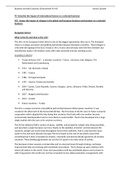
MANUAL for
Electricity for HVACR
TU
1st Edition
Author (s): Joseph Moravek
VI
A
AP
PR
O
VE
D
?
, i
Table of Contents
ST
End of Unit Questions and Answers
Unit 1: Read This Unit First: What I Need to Know to Understand Electricity 1
Unit 2: Ohms Law 3
Unit 3: Safe Use of Electrical Instruments 6
Unit 4: Electrical Fasteners 10
U
Unit 5: Power Distribution 12
Unit 6: National Electric Code 14
Unit 7: Electrical Installation of HVAC 17
VI
Unit 8: Transformers 20
Unit 9: Relays, Contactors and Motor Starters 22
Unit 10: Capacitors 24
Unit 11: Thermostats 25
A
Unit 12: Pressure Switches 27
Unit 13: Miscellaneous Electrical Components 30
Unit 14: How Do Motors Work? 32
Unit 15: Motor Types 34
Unit 16: Green Electronically Commutated Motors (ECM) 37
AP
Unit 17: Understanding Electrical Diagrams 39
Unit 18: Resistors 43
Unit 19: Fundamentals of Solid State Circuits 44
Unit 20: Circuit Boards 46
Unit 21: Air Conditioning Systems 48
Unit 22: Gas Heating Systems 50
PR
Unit 23: Electric Heating Systems 52
Unit 24: Heat Pumps 54
Unit 25: How to Start Electrical Troubleshooting 57
Unit 26: Basic Electrical Troubleshooting Techniques 59
Unit 27: Advanced Electrical Troubleshooting Techniques 62
Unit 28: Practical Troubleshooting 67
O
Lab Manual Answers
Lab 2.1: Application of Ohm’s Law in Basic Circuits 70
VE
Lab 2.2: Power Calculation and Ohm’s Law Applied to Circuits 71
Lab 3.1: Basic Multimeter and VOM Resistance Measurements 72
Lab 3.2: Taking Voltage and Current Measurements 73
Lab 4.1: Electrical Connections 75
Lab 6.1: National Electric Code® Considerations 76
Lab 7.1: HVACR Electrical Installation and Checklists 77
D
Lab 7.2: Introduction to Diagrams 78
Lab 8.1: Transformer Identification and Analysis 79
Lab 9.1: Relay, Contactor, and Motor Starter Identification and Specifications 80
?
Lab 9.3: Relay Logic – Part 2 82
, ii
Lab 9.4: Troubleshooting Control Circuits 84
Lab 10.1: Capacitor Selections and Testing 85
ST
Lab 11.1: Mechanical Thermostat Function and Selection 86
Lab 11.2: Electronic and Programmable Thermostat Selection and Function 87
Lab 12.1: Pressure Switches and Other Safety Switches Used in HVACR 88
Lab 14.1: Introduction to Motor Types 90
Lab 14.2: Motor Control Systems and Diagrams 92
Lab 14.3: Motor Troubleshooting 93
U
Lab 16.1: The ECM Motor 96
Lab 17.1: Common Diagrams and Symbols 98
Lab 19.1: Troubleshooting Printed Circuit Boards 100
Lab 22.1: Gas Heating Systems Controls and Wiring 101
VI
Lab 23.1: Electric Heating Systems Controls and Wiring 102
Lab 24.1: Heat Pump Controls and Wiring 103
Lab 25.1: Using a DMM for Basic Troubleshooting 104
Lab 26.1: Electrical Troubleshooting – The Hopscotch Method 106
A
Lab 27.1: Advanced Troubleshooting 108
AP
PR
O
VE
D
?
, 1
Unit 1
ST
REVIEW QUESTIONS
1. What is electricity? Electricity is the flow of electrons between atoms.
2. What is current flow or amperage? Flow of electrons.
U
3. What creates a magnetic field in a conductor? Voltage or current flow? Current flow.
4. What is voltage? Electrical pressure that pushes current flow.
VI
5. What is the difference between a conductor and an insulator? A conductor allows current
flow and an insulator restricts current flow.
A
6. What are the two common types of electricity? Direct current (DC) and alternating current
(AC).
AP
7. What is control voltage? Control voltage is the electrical section of the HVACR system
that manages the on and off cycles.
8. What is resistance? Resistance is the force that slows down the flow of electrons in a
PR
circuit.
9. What is a watt? Watt is the rate of doing work or power.
10. How are watts calculated? Watts or power is calculated by multiplying amps by voltage.
11. What is a meant by a load? Any component that has a resistance to electron or current flow.
O
12. What is the difference between a complete circuit, open circuit and a short circuit?
VE
A complete circuit is a path for electricity to flow. An open circuit means that there is break or
“opening” in the wire or load stopping the flow of electrons. A short circuit has the power
going to ground or a condition in which the load has very low resistance.
D
13. What is a series circuit? A series circuit is a circuit that has only one path for current flow.
?
Electricity for HVACR
TU
1st Edition
Author (s): Joseph Moravek
VI
A
AP
PR
O
VE
D
?
, i
Table of Contents
ST
End of Unit Questions and Answers
Unit 1: Read This Unit First: What I Need to Know to Understand Electricity 1
Unit 2: Ohms Law 3
Unit 3: Safe Use of Electrical Instruments 6
Unit 4: Electrical Fasteners 10
U
Unit 5: Power Distribution 12
Unit 6: National Electric Code 14
Unit 7: Electrical Installation of HVAC 17
VI
Unit 8: Transformers 20
Unit 9: Relays, Contactors and Motor Starters 22
Unit 10: Capacitors 24
Unit 11: Thermostats 25
A
Unit 12: Pressure Switches 27
Unit 13: Miscellaneous Electrical Components 30
Unit 14: How Do Motors Work? 32
Unit 15: Motor Types 34
Unit 16: Green Electronically Commutated Motors (ECM) 37
AP
Unit 17: Understanding Electrical Diagrams 39
Unit 18: Resistors 43
Unit 19: Fundamentals of Solid State Circuits 44
Unit 20: Circuit Boards 46
Unit 21: Air Conditioning Systems 48
Unit 22: Gas Heating Systems 50
PR
Unit 23: Electric Heating Systems 52
Unit 24: Heat Pumps 54
Unit 25: How to Start Electrical Troubleshooting 57
Unit 26: Basic Electrical Troubleshooting Techniques 59
Unit 27: Advanced Electrical Troubleshooting Techniques 62
Unit 28: Practical Troubleshooting 67
O
Lab Manual Answers
Lab 2.1: Application of Ohm’s Law in Basic Circuits 70
VE
Lab 2.2: Power Calculation and Ohm’s Law Applied to Circuits 71
Lab 3.1: Basic Multimeter and VOM Resistance Measurements 72
Lab 3.2: Taking Voltage and Current Measurements 73
Lab 4.1: Electrical Connections 75
Lab 6.1: National Electric Code® Considerations 76
Lab 7.1: HVACR Electrical Installation and Checklists 77
D
Lab 7.2: Introduction to Diagrams 78
Lab 8.1: Transformer Identification and Analysis 79
Lab 9.1: Relay, Contactor, and Motor Starter Identification and Specifications 80
?
Lab 9.3: Relay Logic – Part 2 82
, ii
Lab 9.4: Troubleshooting Control Circuits 84
Lab 10.1: Capacitor Selections and Testing 85
ST
Lab 11.1: Mechanical Thermostat Function and Selection 86
Lab 11.2: Electronic and Programmable Thermostat Selection and Function 87
Lab 12.1: Pressure Switches and Other Safety Switches Used in HVACR 88
Lab 14.1: Introduction to Motor Types 90
Lab 14.2: Motor Control Systems and Diagrams 92
Lab 14.3: Motor Troubleshooting 93
U
Lab 16.1: The ECM Motor 96
Lab 17.1: Common Diagrams and Symbols 98
Lab 19.1: Troubleshooting Printed Circuit Boards 100
Lab 22.1: Gas Heating Systems Controls and Wiring 101
VI
Lab 23.1: Electric Heating Systems Controls and Wiring 102
Lab 24.1: Heat Pump Controls and Wiring 103
Lab 25.1: Using a DMM for Basic Troubleshooting 104
Lab 26.1: Electrical Troubleshooting – The Hopscotch Method 106
A
Lab 27.1: Advanced Troubleshooting 108
AP
PR
O
VE
D
?
, 1
Unit 1
ST
REVIEW QUESTIONS
1. What is electricity? Electricity is the flow of electrons between atoms.
2. What is current flow or amperage? Flow of electrons.
U
3. What creates a magnetic field in a conductor? Voltage or current flow? Current flow.
4. What is voltage? Electrical pressure that pushes current flow.
VI
5. What is the difference between a conductor and an insulator? A conductor allows current
flow and an insulator restricts current flow.
A
6. What are the two common types of electricity? Direct current (DC) and alternating current
(AC).
AP
7. What is control voltage? Control voltage is the electrical section of the HVACR system
that manages the on and off cycles.
8. What is resistance? Resistance is the force that slows down the flow of electrons in a
PR
circuit.
9. What is a watt? Watt is the rate of doing work or power.
10. How are watts calculated? Watts or power is calculated by multiplying amps by voltage.
11. What is a meant by a load? Any component that has a resistance to electron or current flow.
O
12. What is the difference between a complete circuit, open circuit and a short circuit?
VE
A complete circuit is a path for electricity to flow. An open circuit means that there is break or
“opening” in the wire or load stopping the flow of electrons. A short circuit has the power
going to ground or a condition in which the load has very low resistance.
D
13. What is a series circuit? A series circuit is a circuit that has only one path for current flow.
?