BIOLOGICAL
YEAR 1
,INTRODUCTION
,INTRODUCTION TO BIOLOGICAL
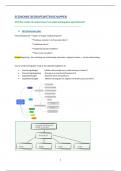
The divisions:
• Physiological- direct manipulation of the brain
• Psychopharmacology- using drugs to manipulate neuromechanisms
• Neuropsychology- studies accidental brain damage
• Psychophysiology- relationship between biological and psychological
• Cognitive neuroscience- cognitive functions and the brain
• Comparative- study and comparison of different species
• Psycho-neuroendocrinology and psycho-neuro-immunology- focuses on the influence of
key systems
, INTRODUCTION TO BIOLOGICAL
Methods of investigating:
• Somatic intervention- manipulation of the biology, observing the behaviour
• Behaviour intervention- manipulation of behaviour, observing the biology
• Correlational- no manipulation but observing relationships between biology and
psychology
Dualism= the mind and the body are treated separately (previously believed to
communicate through the pineal gland)
Monism= singularity of mind and body, they are reliant.
YEAR 1
,INTRODUCTION
,INTRODUCTION TO BIOLOGICAL
The divisions:
• Physiological- direct manipulation of the brain
• Psychopharmacology- using drugs to manipulate neuromechanisms
• Neuropsychology- studies accidental brain damage
• Psychophysiology- relationship between biological and psychological
• Cognitive neuroscience- cognitive functions and the brain
• Comparative- study and comparison of different species
• Psycho-neuroendocrinology and psycho-neuro-immunology- focuses on the influence of
key systems
, INTRODUCTION TO BIOLOGICAL
Methods of investigating:
• Somatic intervention- manipulation of the biology, observing the behaviour
• Behaviour intervention- manipulation of behaviour, observing the biology
• Correlational- no manipulation but observing relationships between biology and
psychology
Dualism= the mind and the body are treated separately (previously believed to
communicate through the pineal gland)
Monism= singularity of mind and body, they are reliant.