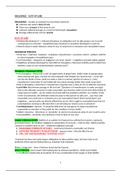
NEGLIGENCE – DUTY OF CARE
NEGLIGENCE – burden on claimant to prove these elements
Claimant was owed a duty of care
There was a breach of that duty of care
Claimant suffered damage as a result of that breach (causation)
Damage suffered was not too remote
DUTY OF CARE
Relationship between D + claimant that places an obligation on D to take proper care to avoid
causing injury to claimant established duty situations or situations developed in case law
Need to show D owed claimant a duty of care, to avoid acts or omissions can reasonable foresee
NEIGHBOUR PRINCIPLE
Road userroad user; employeremployee; manufacturerconsumer; doctorpatient; solicitor
to client (examples of established duty)
Lord Macmillan: ‘categories of negligence are never closed’ neighbour principle widely applied
Neighbour principle developed by Lord Atkin in Donoghue v Stevenson initially used to determine
whether a duty of care existed between claimant and D
Donoghue v Stevenson [1932]
Mrs Donoghue + friend visit a café, brought bottle of ginger beer, bottle made of opaque glass,
when pouring into glass, remains of a decomposed snail, floated out, became sick as she did
not buy the bottle of beer could not make a claim in contract (privity of contract) held
manufacturer owed duty of care bottle did not contain foreign bodies that could cause harm
Rule in Donoghue v Stevenson= manufacturer of goods owes a duty of care to ultimate consumer
Lord Atkin (best-known passage in UK tort law) “Question is if manufacturer is under any legal
duty to the ultimate consumer to take reasonable care that the article is free from defect likely to
cause injury to health... we are solely concerned with the questions whether, as a matter of law
in the circumstances, the defender owed any duty to the pursuer to take care... you must take
reasonable care avoid acts or omissions you can reasonably foresee which would injure your
neighbour... persons who are directly affected by my act that I ought to reasonably have them in
contemplation as being so affected when I am directing my mind to acts or omissions”
Lord Buckmaster’s dissent: “it would be little short of outrageous to make manufacturer
responsible to members of the public for the condition of every bottle”
Added ‘closeness’, ‘directness’ or ‘proximity’ to restrict circumstances duty of care is said to arise
Foreseeability + proximity core elements in test of duty of care now
Caparo v Dickman [1990]: liability of an auditor for financial loss suffered by investors, claimants
purchased shares, but auditors negligent in preparation of accounts held no duty, failed proximity
3 points to establish duty of care – redefined neighbour principle
1. REASONABLE FORESIGHT OF HARM – avoid acts/omissions reasonably can foresee
2. SUFFICIENT PROXIMITY OF RELATIONSHIP – persons close + directly affect by act
3. FAIR, JUST AND REASONABLE TO IMPOSE A DUTY
-Common law does not really impose obligations to take positive steps, but have duty to act
positively where special relationship e.g. employer and employee
Before 2 stage test – Anns v Mertons (overruled by Caparo)
Anns v Mertons: Anns tenant, flat breaking due to structural problemsheld council liable
(1) sufficient relationship of proximity (2) if any considerations that negate or limit liability
1
, Omissions – positive duties to act
Dorset Yacht v Home Office [1970]
Officers negligently left prisoners unsupervised, prisoners escaped from rehabilitation program,
during their escape they crashed into claimant’s boat held owed duty of care for their omission as
were in position of control of the third party that caused the damage foreseeable
Mitchell v Glasgow Council [2009]
Drummond and claimant’s husband in long running dispute, both tenants of local authority,
Drummond attended meeting where he was told that he would be evicted, he then fatally assaulted
claimant’s husband, issue could local authority be liable for not warning Mitchell of the meeting
held no liability, foreseeability alone not enough, not fair just and reasonable to impose liability
Public authorities
Public authorities are attractive targets for claimants
Public authorities cases can concern primary liability, vicarious liability or both
The courts are concerned about imposing liability on public authorities
POLICE
Hill v Chief Constable of West Yorkshire [1989]
Victim of Yorkshire ripper told police she suspected she would be killed, before it happened, police
failed to protect her held no duty, police had no duty to prevent crime ‘immunity for police?’’
Osman v Ferguson [1993]:
Teacher + student had a relationship, police informed, teacher followed student home, shot him and
his father, police failed to take action held no duty public policy, police have blanket immunity
Van Colle v Chief Constable of Hertfordshire [2008]
Brougham charged with theft, he offered money to Van Collee to drop charges, not drop charges,
threatened, Brougham shot him dead before trial + convicted of murder, before this he had other
convictions which police officer reported action in negligence against police for failing to protect
held not liable, risk of harm not obvious no duty to protect individuals from criminals
Robinson v Chief Constable of West Yorkshire [2014]
Robinson walking on street, injured by a drug dealer who was being caught by police, blamed police
saying they have duty of care to take reasonable care to protect members of public when arresting
claim failed as no special proximity with police and claimant, so no duty of care
EDUCATION/CHILD ABUSE
X v Bedfordshire [1995]: claimant suing council for children who had suffered parental abuse or
neglect held council not liable, not owe duty of care
Phelps v Hillingdon [2000]
Child not diagnosed with dyslexia by psychologist, so did not receive extra support as school, could
education authority be liable for failure to diagnose held liable, local education authorities could
be vicariously liable for not diagnosing children’s mental issues
Z v UK [2001]: appeal from X v Bedfordshire, no common law duty for local authority to remove
children from parental abuse or neglect held violated Art.3 (freedom of degrading treatment)
gave new route, where failed in negligence, use ECHR
2
NEGLIGENCE – burden on claimant to prove these elements
Claimant was owed a duty of care
There was a breach of that duty of care
Claimant suffered damage as a result of that breach (causation)
Damage suffered was not too remote
DUTY OF CARE
Relationship between D + claimant that places an obligation on D to take proper care to avoid
causing injury to claimant established duty situations or situations developed in case law
Need to show D owed claimant a duty of care, to avoid acts or omissions can reasonable foresee
NEIGHBOUR PRINCIPLE
Road userroad user; employeremployee; manufacturerconsumer; doctorpatient; solicitor
to client (examples of established duty)
Lord Macmillan: ‘categories of negligence are never closed’ neighbour principle widely applied
Neighbour principle developed by Lord Atkin in Donoghue v Stevenson initially used to determine
whether a duty of care existed between claimant and D
Donoghue v Stevenson [1932]
Mrs Donoghue + friend visit a café, brought bottle of ginger beer, bottle made of opaque glass,
when pouring into glass, remains of a decomposed snail, floated out, became sick as she did
not buy the bottle of beer could not make a claim in contract (privity of contract) held
manufacturer owed duty of care bottle did not contain foreign bodies that could cause harm
Rule in Donoghue v Stevenson= manufacturer of goods owes a duty of care to ultimate consumer
Lord Atkin (best-known passage in UK tort law) “Question is if manufacturer is under any legal
duty to the ultimate consumer to take reasonable care that the article is free from defect likely to
cause injury to health... we are solely concerned with the questions whether, as a matter of law
in the circumstances, the defender owed any duty to the pursuer to take care... you must take
reasonable care avoid acts or omissions you can reasonably foresee which would injure your
neighbour... persons who are directly affected by my act that I ought to reasonably have them in
contemplation as being so affected when I am directing my mind to acts or omissions”
Lord Buckmaster’s dissent: “it would be little short of outrageous to make manufacturer
responsible to members of the public for the condition of every bottle”
Added ‘closeness’, ‘directness’ or ‘proximity’ to restrict circumstances duty of care is said to arise
Foreseeability + proximity core elements in test of duty of care now
Caparo v Dickman [1990]: liability of an auditor for financial loss suffered by investors, claimants
purchased shares, but auditors negligent in preparation of accounts held no duty, failed proximity
3 points to establish duty of care – redefined neighbour principle
1. REASONABLE FORESIGHT OF HARM – avoid acts/omissions reasonably can foresee
2. SUFFICIENT PROXIMITY OF RELATIONSHIP – persons close + directly affect by act
3. FAIR, JUST AND REASONABLE TO IMPOSE A DUTY
-Common law does not really impose obligations to take positive steps, but have duty to act
positively where special relationship e.g. employer and employee
Before 2 stage test – Anns v Mertons (overruled by Caparo)
Anns v Mertons: Anns tenant, flat breaking due to structural problemsheld council liable
(1) sufficient relationship of proximity (2) if any considerations that negate or limit liability
1
, Omissions – positive duties to act
Dorset Yacht v Home Office [1970]
Officers negligently left prisoners unsupervised, prisoners escaped from rehabilitation program,
during their escape they crashed into claimant’s boat held owed duty of care for their omission as
were in position of control of the third party that caused the damage foreseeable
Mitchell v Glasgow Council [2009]
Drummond and claimant’s husband in long running dispute, both tenants of local authority,
Drummond attended meeting where he was told that he would be evicted, he then fatally assaulted
claimant’s husband, issue could local authority be liable for not warning Mitchell of the meeting
held no liability, foreseeability alone not enough, not fair just and reasonable to impose liability
Public authorities
Public authorities are attractive targets for claimants
Public authorities cases can concern primary liability, vicarious liability or both
The courts are concerned about imposing liability on public authorities
POLICE
Hill v Chief Constable of West Yorkshire [1989]
Victim of Yorkshire ripper told police she suspected she would be killed, before it happened, police
failed to protect her held no duty, police had no duty to prevent crime ‘immunity for police?’’
Osman v Ferguson [1993]:
Teacher + student had a relationship, police informed, teacher followed student home, shot him and
his father, police failed to take action held no duty public policy, police have blanket immunity
Van Colle v Chief Constable of Hertfordshire [2008]
Brougham charged with theft, he offered money to Van Collee to drop charges, not drop charges,
threatened, Brougham shot him dead before trial + convicted of murder, before this he had other
convictions which police officer reported action in negligence against police for failing to protect
held not liable, risk of harm not obvious no duty to protect individuals from criminals
Robinson v Chief Constable of West Yorkshire [2014]
Robinson walking on street, injured by a drug dealer who was being caught by police, blamed police
saying they have duty of care to take reasonable care to protect members of public when arresting
claim failed as no special proximity with police and claimant, so no duty of care
EDUCATION/CHILD ABUSE
X v Bedfordshire [1995]: claimant suing council for children who had suffered parental abuse or
neglect held council not liable, not owe duty of care
Phelps v Hillingdon [2000]
Child not diagnosed with dyslexia by psychologist, so did not receive extra support as school, could
education authority be liable for failure to diagnose held liable, local education authorities could
be vicariously liable for not diagnosing children’s mental issues
Z v UK [2001]: appeal from X v Bedfordshire, no common law duty for local authority to remove
children from parental abuse or neglect held violated Art.3 (freedom of degrading treatment)
gave new route, where failed in negligence, use ECHR
2