Multiple choice questions
Written notes and add to folder
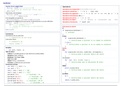
Visual Fields 3: Key Techniques and Algorithms
1. Full Threshold Perimetry
● Definition: Thresholds are determined at all stimulus locations using a 4-2 dB
staircase procedure.
● Advantages:
○ More sensitive than suprathreshold perimetry.
○ Enables statistical analysis by comparing data to normal visual field
databases.
○ Helps monitor disease progression (e.g., glaucoma).
○ Provides information on the reliability of test data.
2. New Generation Algorithms
a) Swedish Interactive Threshold Algorithm (SITA)
● Developed for: Humphrey Field Analyser.
● Method: Uses Bayesian probability and maximum likelihood to predict
thresholds.
● Relies on:
○ Frequency-of-seeing curves.
○ Relationships between adjacent test locations.
○ Age-related data.
○ Knowledge of glaucoma progression.
Types of SITA:
1. SITA Standard:
○ Replaces Full Threshold algorithm.
○ Duration: ~7 min per eye.
○ As accurate as Full Threshold but faster.
2. SITA Fast:
○ Replaces FASTPAC algorithm.
○ Duration: ~4 min per eye.
○ Faster but allows a wider error margin in threshold estimates.
● Adaptive: Adjusts to patient’s response time and continuously monitors false
positives.
b) Henson: ZATA Algorithm
● Zippy Adaptive Threshold Algorithm.
● Features:
○ Uses previous visual field results to set starting intensities.
○ Targets locations where visual field changes are likely (between normal and
10 dB).
○ Focuses on accuracy in key regions.
Written notes and add to folder
Visual Fields 3: Key Techniques and Algorithms
1. Full Threshold Perimetry
● Definition: Thresholds are determined at all stimulus locations using a 4-2 dB
staircase procedure.
● Advantages:
○ More sensitive than suprathreshold perimetry.
○ Enables statistical analysis by comparing data to normal visual field
databases.
○ Helps monitor disease progression (e.g., glaucoma).
○ Provides information on the reliability of test data.
2. New Generation Algorithms
a) Swedish Interactive Threshold Algorithm (SITA)
● Developed for: Humphrey Field Analyser.
● Method: Uses Bayesian probability and maximum likelihood to predict
thresholds.
● Relies on:
○ Frequency-of-seeing curves.
○ Relationships between adjacent test locations.
○ Age-related data.
○ Knowledge of glaucoma progression.
Types of SITA:
1. SITA Standard:
○ Replaces Full Threshold algorithm.
○ Duration: ~7 min per eye.
○ As accurate as Full Threshold but faster.
2. SITA Fast:
○ Replaces FASTPAC algorithm.
○ Duration: ~4 min per eye.
○ Faster but allows a wider error margin in threshold estimates.
● Adaptive: Adjusts to patient’s response time and continuously monitors false
positives.
b) Henson: ZATA Algorithm
● Zippy Adaptive Threshold Algorithm.
● Features:
○ Uses previous visual field results to set starting intensities.
○ Targets locations where visual field changes are likely (between normal and
10 dB).
○ Focuses on accuracy in key regions.