The impact of the First World War and the post-war conferences
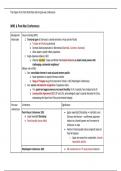
WW1 & Post-War Conferences
Background Cause of joining WW1:
information 1. Territorial gain of Germany’s colonial territories in Asia and the Pacific
a. Tsingtao on Shantung peninsula
b. German island possessions in Micronesia (Marshalls, Carolines, Marianas)
c. Allow Japan to justify military expansion
2. Anglo-Japanese Alliance 1902
a. Historian Ian Nish: “Japan and Britain had mutual interests as island naval powers with
challenging continental neighbours”
Military role in WW1:
1. Aim: consolidate interest in east asia and western pacific
a. Naval operations to capture German colonies
b. Siege of Tsingtao Aug 1914 (returned to China in 1922 Washington Conference)
2. Aim: secure international recognition of Japanese claims
a. Yet, speed and aggressiveness increased hostility of UK, Australia, New Zealand and US
b. Lansing-Ishii Agreement 1917 (JP and US), acknowledged Japan’s special interested in China,
emphasising the Open Door Policy and territorial integrity
Post-war Conference Significance
conferences
Paris Peace Conference 1919 ● Japan awarded Shandong = mandate over
● Japan awarded Shandong German territories → confirmed japanese
● Racial equality clause failed status as colonial power and increase its
influence in Asia
● Failure of racial equality clause angered Japan as
they felt injustice
○ Japan turn away from cooperation, towards
nationalistic policies
Washington Conference 1922 ● US restrainment on JP naval power & insist on
WW1 & Post-War Conferences
Background Cause of joining WW1:
information 1. Territorial gain of Germany’s colonial territories in Asia and the Pacific
a. Tsingtao on Shantung peninsula
b. German island possessions in Micronesia (Marshalls, Carolines, Marianas)
c. Allow Japan to justify military expansion
2. Anglo-Japanese Alliance 1902
a. Historian Ian Nish: “Japan and Britain had mutual interests as island naval powers with
challenging continental neighbours”
Military role in WW1:
1. Aim: consolidate interest in east asia and western pacific
a. Naval operations to capture German colonies
b. Siege of Tsingtao Aug 1914 (returned to China in 1922 Washington Conference)
2. Aim: secure international recognition of Japanese claims
a. Yet, speed and aggressiveness increased hostility of UK, Australia, New Zealand and US
b. Lansing-Ishii Agreement 1917 (JP and US), acknowledged Japan’s special interested in China,
emphasising the Open Door Policy and territorial integrity
Post-war Conference Significance
conferences
Paris Peace Conference 1919 ● Japan awarded Shandong = mandate over
● Japan awarded Shandong German territories → confirmed japanese
● Racial equality clause failed status as colonial power and increase its
influence in Asia
● Failure of racial equality clause angered Japan as
they felt injustice
○ Japan turn away from cooperation, towards
nationalistic policies
Washington Conference 1922 ● US restrainment on JP naval power & insist on